Key Takeaways
Aesthetic dermatology is undergoing a transformative shift that reflects a broader societal move toward longevity and proactive health management. Today, clients increasingly look for interventions that not only improve appearance but also help preserve the skin's long-term vitality, structural integrity, and biological functionality.
This shift mirrors the evolution of longevity science, which distinguishes between lifespan — the number of years lived — and healthspan — the portion of life spent in good health, free from disease and functional decline. Aesthetic medicine is now developing an analogous concept: skinspan, the length of time skin retains optimal barrier function, immune defense, regenerative capacity, and aesthetic quality. In this article, we explore Longevity Skincare, a new approach to skin care: the concept behind it, the supporting research, and how a longevity routine can help reduce skin's biological age.
Contents
Key Takeaways
1. What Is Longevity Skincare?
2. Longevity Skincare vs. Anti-Aging
3. What Is Skin's Biological Age?
4. Core Principles of Longevity Skincare: Inside & Out Technology
5. The Daily Longevity Routine
6. Clinical Research
7. How to Reduce Skin's Biological Age?
Conclusions
FAQ
1. What Is Longevity Skincare?
Aesthetic medicine occupies a unique position within the longevity science paradigm, since skin is both a visible marker of biological aging and an accessible source of biomarkers. Advances in the study of aging biomarkers — including epigenetic clocks, inflammatory markers, mitochondrial and metabolic indicators, and research into the skin microbiome — are creating promising tools for assessing systemic aging and skin aging as distinct processes.
Longevity Skincare is an approach to skin care whose goal extends beyond the temporary reduction of visible wrinkles to the long-term preservation of skin function (skinspan): barrier integrity, a controlled inflammatory response, regenerative capacity, extracellular matrix stability, and resistance to ultraviolet and other harmful exposure — achieved through targeted action on these aging factors. AI-based platforms support the integration of multidimensional data, enabling more precise assessment of biological age and, potentially, prediction of how skin will respond to specific care protocols.
This approach does not replace classic anti-aging care but expands it, shifting the focus from short-term cosmetic correction to the consistent management of modifiable aging mechanisms [1].
The concept of Longevity Skincare offers the prospect of improving both the skin's appearance and its long-term health. This type of care should not be viewed as a separate medical method or an entirely new category of cosmetic product. Rather, it is an approach to building a routine in which the emphasis shifts from correcting already-formed signs of aging to sustaining the skin's functional state over time and reducing the impact of factors that can accelerate the accumulation of age-related change.
2. Longevity Skincare vs. Anti-Aging
Anti-aging and Longevity Skincare are not mutually exclusive concepts. On the contrary, the modern longevity approach incorporates many active ingredients and technologies traditionally used in anti-aging care. The real difference lies in their goals and time horizon:
Classic anti-aging is primarily focused on correcting already-formed signs of aging — wrinkles, pigmentation, uneven tone, dryness, and loss of firmness.
Longevity Skincare expands this model to include support for the factors that determine skin's functional resilience: barrier function, hydration, regenerative capacity, resistance to external stressors, inflammation control, and the maintenance of extracellular matrix quality.
The longevity approach also changes the way we think about the intensity of care. A higher concentration of an active ingredient does not always translate into a better long-term outcome. For skin health, what matters most is not the maximum strength of a single product but its tolerability, the consistency of use, and how well the different steps of a routine work together. As a result, modern formulas increasingly combine multifunctional actives with evidence-based biological activity and delivery technologies that allow for targeted action on the various mechanisms of skin aging.
To more clearly distinguish scientifically substantiated products from marketing claims, criteria have been proposed for identifying active ingredients and products oriented toward skin longevity:
They must directly influence established signs of skin aging and modulate the corresponding biological processes.
Their long-term effect must be reflected in the preservation of skin vitality, structure, and functional integrity — in other words, in preserving its “healthspan.”
The effectiveness of such approaches must be confirmed by clinical studies that include assessment of aging-related biomarkers along with a comprehensive safety evaluation [8].
Thus, unlike traditional products, whose efficacy is often defined primarily by claimed marketing effects, Longevity Skincare requires genuine scientific substantiation (Fig. 3).
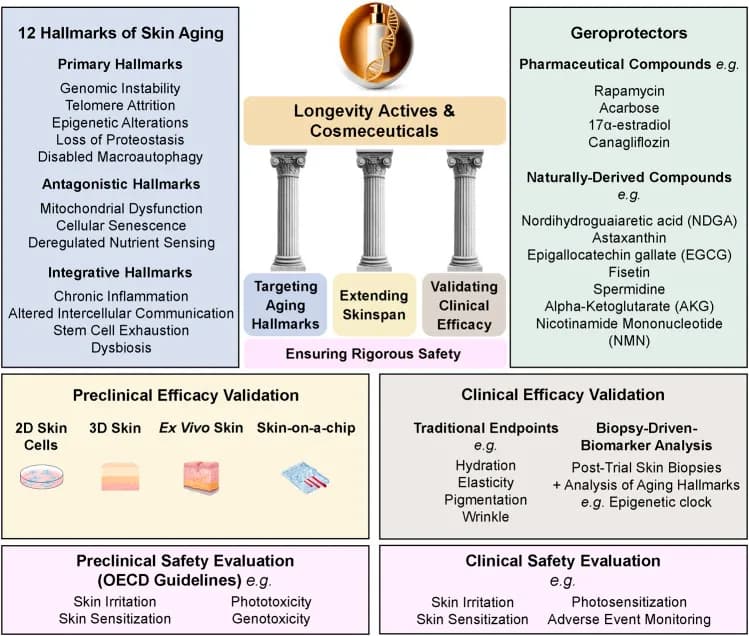
Figure 3. A conceptual framework for developing Longevity Skincare. The framework outlines four core components: targeting hallmarks of aging, extending skin healthspan (skinspan), validating clinical efficacy, and ensuring rigorous safety. It integrates 12 hallmarks of skin aging, longevity actives (naturally derived and pharmaceutical), advanced clinical study models, aging-biomarker analysis, and safety assessment [2].
Based on the available data on Longevity Skincare, the following distinctions can be drawn between this approach and the traditional, proactive Anti-Aging direction (Table 1).
Table 1. Comparison of the classic anti-aging approach and the approach focused on long-term skin health (skinspan)
Criterion | Classic Anti-Aging | Longevity Skincare |
Main focus | Reducing the visibility of existing age-related changes | Supporting the skin's functional state and reducing the accumulation of age-related damage |
Time horizon | Short- to medium-term outcome | Consistent, long-term strategy |
Outcome assessment | Before/after photos; subjective assessment of wrinkles and texture | Standardized clinical, instrumental, and digital indicators |
Selection of care | By individual concern or key ingredient | By barrier condition, phototype, tolerability, risk factors, overall health, genetic risk factors, occupational hazards |
Approach architecture | A single “hero product” or standalone items | A system: protection + correction + restoration + lifestyle support + monitoring |
Biological target | Mainly visible signs of aging | Barrier function, inflammation, oxidative stress, photodamage, pH, cellular function and regeneration |
Personalization | Mainly by cosmetic concern | By objective parameters of skin condition and individual aging factors |
Communication | “Reduces wrinkles,” “rejuvenates” | “Supports a healthy, functional skin profile” |
Key principle | Correcting the consequences of aging | Supporting skin resilience and managing aging-related factors |
Monitoring | Mainly visual assessment | Dynamic tracking of change via objective indicators |
3. What Is Skin's Biological Age?
Skin is the largest organ of the human body and, at the same time, one of the most accessible systems for assessment — one in which aging processes can be observed not only visually but also evaluated through biophysical, molecular, and functional indicators. Unlike chronological age, which is determined by date of birth, biological age characterizes the state of an organism, or of a specific tissue, in light of accumulated structural and functional change.
For the concept of Longevity Skincare, it is essential to take these factors into account, as they shape the trajectory of skin aging. Skin, as the body's largest and most exposed organ, can be viewed as a “window” for deeper research into — and influence on — systemic aging. The complex interplay between signs of skin aging and systemic biological aging suggests that the physiological processes involved in skin aging both shape, and are shaped by, systemic signs of aging [3].
Intrinsic aging factors include [4]:
genetic predisposition and epigenetic changes
hormonal changes
accumulation of advanced glycation end products (AGEs)
chronic low-grade inflammation
immune aging
protein or micronutrient deficiency
insufficient sleep
psychological stress
Extrinsic factors include [4]:
UVA and UVB radiation
visible light
air pollution
active and passive smoking
climate exposure
occupational hazards
aggressive cleansing
A comprehensive understanding of both extrinsic and intrinsic contributors to skin aging is essential for developing effective prevention strategies. In other words, “skin age” depends not only on time but on the accumulation and interaction of numerous intrinsic and extrinsic factors. Each person's profile is individual: for some, extrinsic factors may predominate, while for others it may be hormonal change, immune dysregulation, or chronic inflammation. Chronic low-grade inflammation and disrupted intercellular communication further accelerate these processes. As a result, skin loses elasticity, the epidermis thins, and wound healing slows. Extrinsic factors — above all ultraviolet radiation, air pollution, smoking, and an unbalanced diet — intensify these changes [5].
4. Core Principles of Longevity Skincare. Inside & Out Technology
The effects of longevity skincare can be considered on three interconnected levels: cellular, tissue, and surface. Together, these levels form the foundation for the long-term maintenance of skin's functional state [6].
1. Cellular Level
At the cellular level, the key factors are energy metabolism, mitochondrial function, the response to oxidative stress, and a cell's capacity to adapt to damage. With age, cells accumulate damage and mitochondrial activity changes. These processes are linked to oxidative stress, cellular senescence, and chronic inflammation [7]. At this level, it is therefore more accurate to speak not of “cell rejuvenation” but of maintaining a cell's physiological resilience and its capacity to perform its normal functions.
2. Tissue Level
At the tissue level, the key factors are epidermal renewal, the condition of the dermal matrix, collagen and elastin, hydration, and the skin's mechanical properties. Age is directly linked to changes in skin biomechanics. Studies using the Cutometer show age-related changes in the elasticity parameters R2 and R7, which correlate with skin's biological age [8]. This underscores the importance of maintaining tissue structures as part of a long-term strategy for skin health.
3. Surface Level
The surface level covers barrier function, the lipid barrier, pH, hydration, and the skin's interaction with the environment. With age, skin surface pH can rise, which is associated with impaired barrier function. This barrier underlies the skin's resistance to external factors and, at the same time, determines how well active ingredients are tolerated [9, 10]. The surface level also includes microbiome support: emerging data highlight the skin microbiome as a critical, yet still underappreciated, modulator of age-related change [11].
The INSTYTUTUM Concept — Inside & Out
Within the INSTYTUTUM Inside & Out concept, these three levels are brought together into a single system. This approach holds that effective care should never be simply a collection of individual actives; formulas are designed to address every level of skin aging at once.
At the cellular level, the routine reduces local oxidative load and supports an optimal environment for proteins, enzymes, and antioxidants to do their work.
At the tissue level, the goal is to support orderly epidermal renewal, reduce water loss, and protect the extracellular matrix. The formulas support collagen and elastin synthesis and improve the skin's functional, elastic, and protective properties.
At the surface level, the Inside & Out system provides gentle cleansing, supports the lipid barrier and microbiome, and delivers daily photoprotection.
More broadly, the Beauty Inside & Out concept pairs external care with an understanding of the intrinsic factors linked to age, metabolism, nutrition, and overall bodily health. Skin acts as a natural barrier between the body's internal and external environments, playing a vital role in essential biological functions such as protection against mechanical and chemical damage, microorganisms, and ultraviolet radiation.
This same logic underpins the Longevity System by Dr. Natalia Bobok — an approach built on assessing skin condition, identifying the key factors that need attention, selecting a personalized routine, addressing intrinsic aging factors, and objectively tracking change over time.
5. The Daily Longevity Routine
Unlike fragmented, reactive treatments that shift perception while addressing only the surface manifestations of skin aging, working with skinspan calls for a step-by-step, balanced approach that targets the underlying causes of aging [12]. This principle underpins the INSTYTUTUM care protocol, designed to reduce the skin's biological age.
1. Cleansing
Cleansing is the foundational step of any routine, but within the longevity approach its purpose goes beyond simply removing impurities, excess sebum, and makeup residue. Pollutants can heighten oxidative stress, inflammatory processes, and barrier dysfunction [13]. That is why the first step of a longevity routine is not to “cleanse the skin squeaky clean,” but to reduce external burden while preserving its physiological barrier.
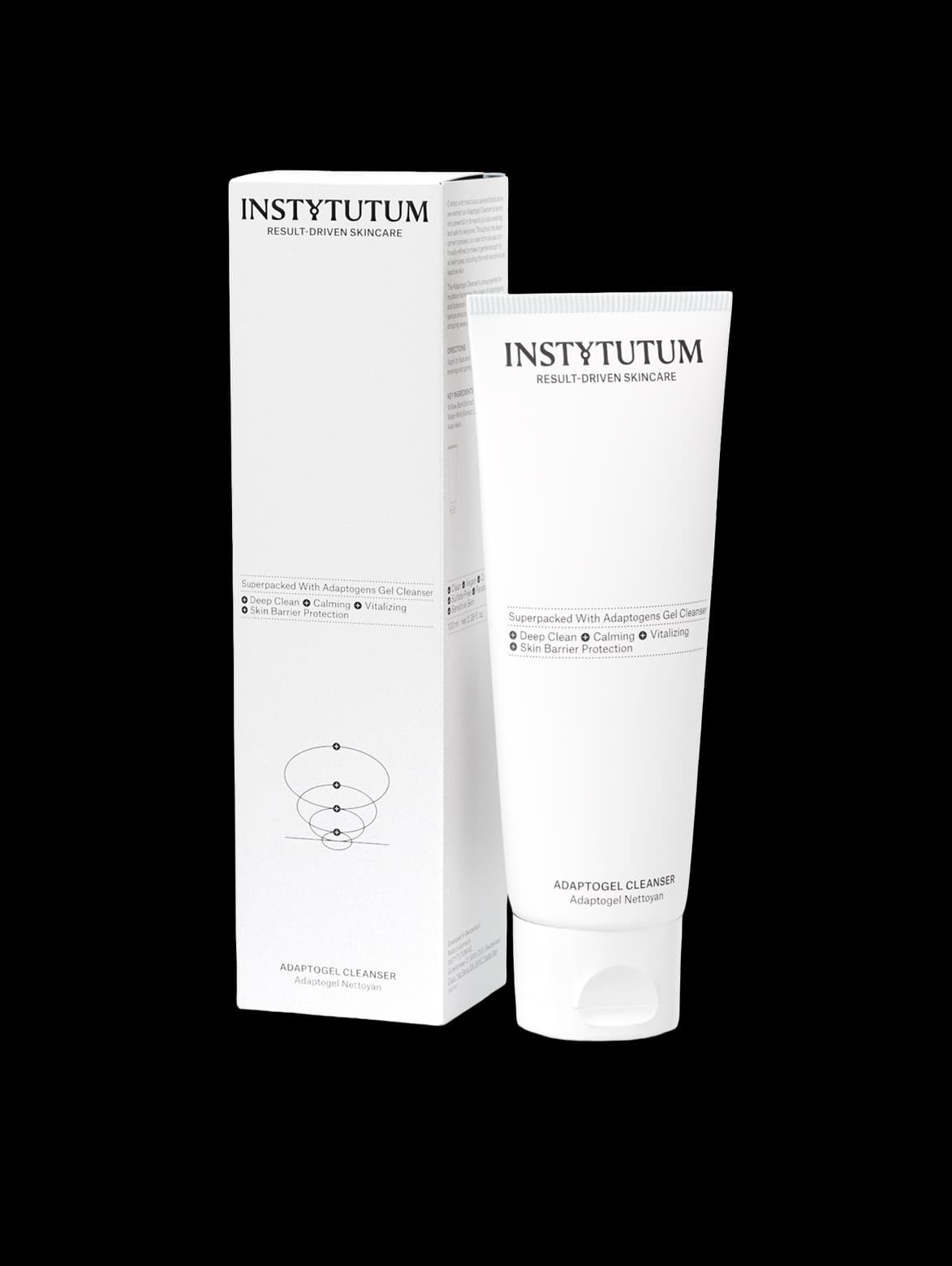
Adaptogel Cleanser Next-Gen performs the essential function of cleansing and maintaining skin comfort within this system. The formula addresses both extrinsic aging factors (oxidative stress, pollution, barrier disruption) and intrinsic processes (inflammation, reduced regeneration, cellular damage), making cleansing a strategic step in reducing skin's biological age.
2. Controlled Renewal and Preparation
After cleansing, it's important not only to ensure skin comfort but also to support its physiological renewal processes. Surface pH influences the activity of stratum corneum enzymes, lipid organization, and the microbial environment [14]. Age-related pH shifts can be accompanied by impaired barrier function, which is why maintaining a physiological, slightly acidic environment is an important part of healthy skin [15].
Resurfacing Glow Toner Next-Gen combines AHAs, PHAs, prebiotics, and barrier-supporting ingredients. As a result, the formula addresses both extrinsic aging factors (photodamage, oxidative stress, microbiome disruption) and intrinsic mechanisms (reduced regeneration, inflammation). This step functions not merely as toning but as a strategic tool for “reprogramming” the skin toward greater regenerative capacity, preparing it for the steps that follow, and supporting a reduction in biological age.
3. Morning Antioxidant Concentrate
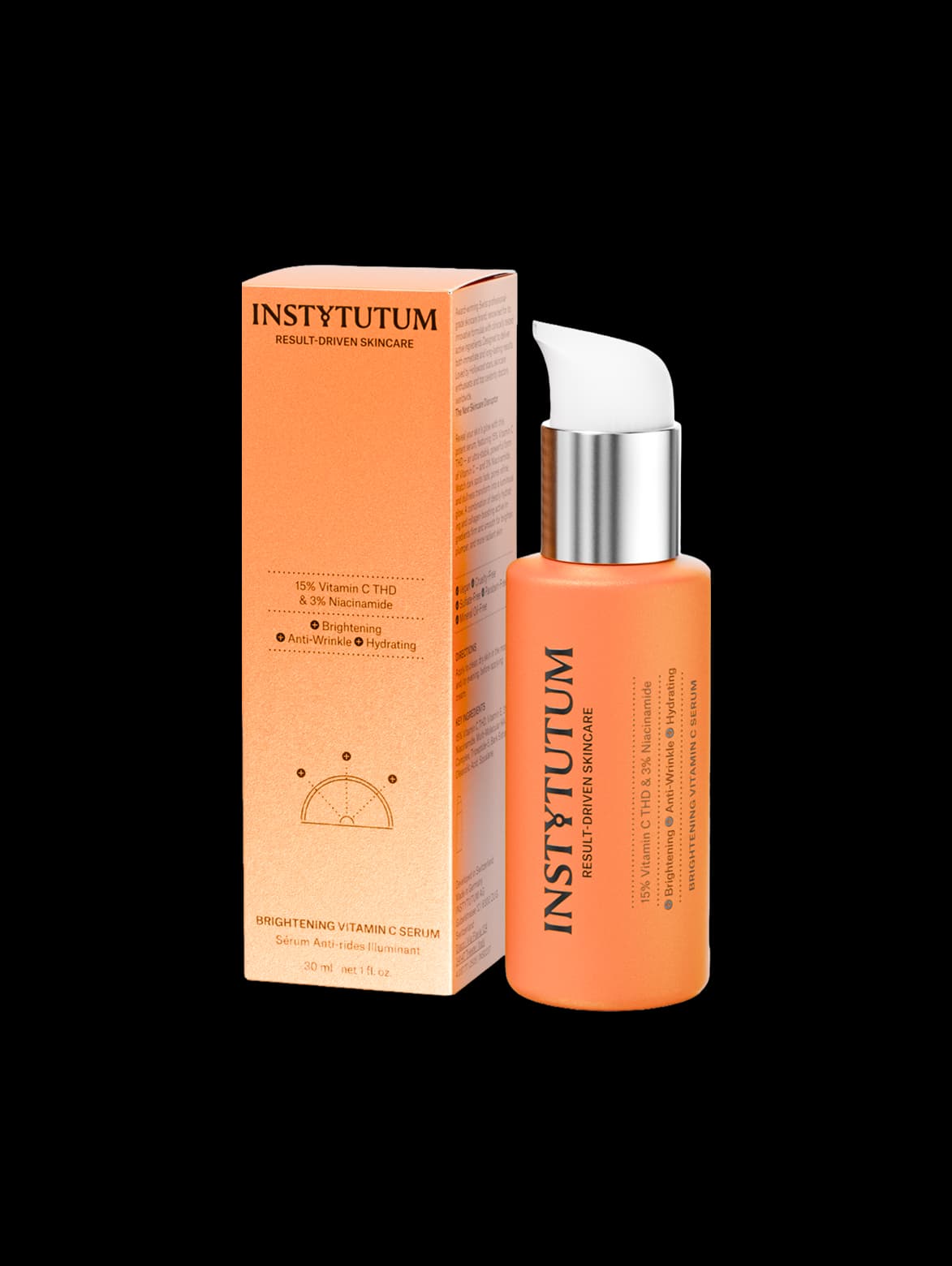
Concentrated formulas typically contain a high level of active ingredients capable of influencing clinically meaningful skin characteristics. Vitamin C plays an important role in skin biology as both an antioxidant and a cofactor in collagen synthesis. A distinctive property of vitamin C is its ability to activate skin “youth genes,” underscoring its central role in preserving the skin's functional state [16]. Brightening Vitamin C Serum Next-Gen serves as the key antioxidant step of the morning protocol. The serum acts as a multilevel protector against photoaging, oxidative stress, and cellular metabolic exhaustion, broadly addressing both extrinsic and intrinsic aging factors and strategically supporting a reduction in the skin's biological age while extending its youthfulness. Learn more about vitamin C and its effects on skin in our dedicated article.
4. Sun Protection: The Foundation of Longevity Skincare
If there is one step in a skincare routine with especially strong evidence behind it for preventing premature skin aging, it is sun protection. Ultraviolet radiation is one of the leading extrinsic drivers of photoaging. Sunscription SPF50 Next-Gen is designed to provide daily protection against one of the primary external drivers of aging. Its new-generation organic filters (19%) deliver broad-spectrum photoprotection with high photostability. Read more about SPF in our dedicated article.
5. Evening Regenerative Module
Evening care complements the morning protective cycle and creates the conditions for skin recovery after daily exposure to external factors. Retinoids are well known to influence key cellular processes such as cell growth and differentiation. X-strength Retinol Serum Next-Gen is the key active step of the evening protocol, designed to support skin renewal and the structural components of the dermis.
6. Periorbital Care: Addressing a Key Area
The skin around the eyes is thinner, has a lower dermal thickness, fewer sebaceous glands, and distinct mechanical properties, which makes it less resistant to dehydration and external influence. Continuous facial expression, the mechanical strain of blinking, ultraviolet exposure, and the gradual decline in structural tissue support mean that age-related change in this area often becomes visible earlier than elsewhere on the face [17]. Transforming Brightening Eye Cream is designed to support the hydration, firmness, and overall appearance of the periorbital skin. Its physiological significance for skin longevity: within the longevity approach, care for the periorbital area matters primarily as localized support for tissue carrying a high functional and aesthetic load.
7. Cream: Long-Term Support and Reinforcement of the Previous Steps
The final step of the routine is applying a cream, whose main task is to provide long-term support for the skin's barrier function, reduce moisture loss, and create the conditions for physiological recovery. Within the longevity approach, this step carries particular importance, since a stable skin barrier is one of the key factors in the skin's resistance to external stressors and to the accumulation of age-related change [18]. In the context of Longevity Skincare, cream is not simply a final cosmetic step but a strategic restorative module that helps stabilize the barrier, microbiome, hydration, and control of inflammatory responses.
Taken together, the entire longevity routine functions as a sequential system in which each step performs a distinct physiological role while also complementing the others. The advantage of this protocol lies not in the sheer number of active products but in the coherence, sequencing, and complementarity of its steps. It is this systemic approach that makes it possible to address several aspects of skin aging at once, preserving the skin's functional reserve over the long term.
6. Clinical Research
““Clinically proven: a reduction in skin's biological age of –3 years in 3 months*””
The concept of Longevity Skincare becomes practically meaningful when a systemic approach to skin care can be evaluated not only through subjective perception of the skin, but through objective clinical and instrumental indicators.
A defining feature of the longevity approach is the need to move beyond general terms like “rejuvenation” toward the quantitative measurement of changes in skin condition. If the goal is to sustain the skin's functional reserve and slow the accumulation of age-related change, there must be parameters by which that change can be tracked.
For this reason, INSTYTUTUM conducted an independent 84-day clinical-instrumental study of its comprehensive routine. The study was carried out by Complife Italia S.r.l. in 2026 and assessed objective skin parameters before and after regular use of the protocol [19]. The results showed that regular use of the protocol was associated with statistically significant changes across a range of indicators reflecting the skin's biomechanical properties, surface texture, and age-related characteristics. Specifically, the calculated skin age score shifted toward younger values by 3.0 years after 84 days of product use.
One notable result concerned changes in Cutometer-derived parameters. R2 (Ua/Uf), which characterizes overall skin elasticity and its ability to return to its original state after deformation, increased by 9.0%. At the same time, R0 (Uf), which reflects the maximum skin deformation under vacuum and serves as an indicator of firmness, decreased by 16.2%; both changes were statistically significant (p<0.001).
Studies using the Cutometer also show that age-related change in the R2 parameter makes it a useful instrumental marker for quantifying the skin's mechanical properties. Changes in skin texture were assessed separately: after 12 weeks, average periorbital wrinkle depth decreased by 11.7% compared with baseline (p<0.001). Alongside the improvement in biomechanical characteristics, then, an objective improvement was also recorded in parameters directly linked to the visible signs of aging [19].
Important: these results should be interpreted specifically as findings from a clinical-instrumental study of one particular comprehensive routine — not as evidence that any single ingredient or standalone cosmetic product independently “reduces biological age.”
*Results of an independent 84-day clinical-instrumental study (Complife Italia S.r.l., 2026), conducted for INSTYTUTUM's comprehensive routine. Measurements were obtained using instrumental methods (Cutometer, skin surface texture analysis) in a group of study participants; individual results may vary depending on baseline skin condition, consistency of use, and other factors. The data presented do not constitute a medical conclusion and do not replace consultation with a specialist.
7. How to Reduce Skin's Biological Age?
Longevity Skincare offers a broader view of skin as an organ, not merely as an aesthetic feature. Its goal is not to create the illusion of “ageless skin,” but to preserve, for as long as possible, its functionality, resistance to external influence, capacity for recovery, and healthy appearance.
Aging is the result of the interaction of numerous processes, which is why a multifactorial approach is the most rational one. Skin aging is a multilevel process spanning molecular, cellular, and tissue-level change, driven by both intrinsic and extrinsic factors. As damage accumulates, the skin's structural stability, functional integrity, and reserve capacity gradually decline. Supporting healthy skin aging therefore requires a comprehensive, multilevel approach — one that is not limited to correcting already-visible signs. Looking at the components of skin longevity makes clear why no single active ingredient can “reset” the skin's biological age.
Within this model, INSTYTUTUM Inside & Out pairs external care with a broader concept of supporting the health of both skin and body. The Longevity System by Dr. Natalia Bobok builds on this idea, combining skin assessment, personalized care, an external skincare routine, nutritional support, and long-term monitoring.
Conclusions
Longevity Skincare is not a separate method or a new category of cosmetics, but a systemic approach that expands classic anti-aging, shifting the focus from masking signs of aging to supporting the skin's functional reserve (skinspan).
Skin's biological age is a measurable indicator, distinct from chronological age, shaped by intrinsic factors (genetics, hormones, inflammation, stress) and extrinsic factors (UV, pollution, smoking).
An effective longevity strategy works simultaneously at the cellular, tissue, and surface levels of the skin — this is the foundation of the INSTYTUTUM Inside & Out Technology.
The Daily Longevity Routine is a sequential, eight-step system (Morning: cleansing, toning, antioxidant protection, SPF. Evening: cleansing, retinol/intensive care, eye care, cream), in which each step performs a distinct physiological function.
Objective clinical assessment (Cutometer, skin texture analysis) confirmed a 3-year reduction in the calculated skin age score after 84 days of using the protocol — practical evidence for the approach, not a marketing claim.
No single active ingredient or product can independently “reduce biological age” — the result comes from a consistent care system combined with support for intrinsic factors (Longevity System by Dr. Natalia Bobok).
FAQ
1. What is Longevity Skincare, and how does this approach help preserve skin's youthfulness?
Longevity Skincare is a science-based approach to skin care aimed at extending the period of healthy skin function — its skinspan. It addresses not only visible signs of aging but also supports the protective barrier, regeneration, hydration, and skin's resistance to external factors by targeting the biological mechanisms of aging.
2. How does Longevity Skincare differ from traditional anti-aging care?
The key difference lies in the goal. Anti-aging products primarily correct existing wrinkles, pigmentation, and loss of firmness, whereas Longevity Skincare comprehensively supports barrier function, hydration, regeneration, and the control of inflammatory processes. Its effectiveness is assessed not only visually but through objective clinical and instrumental measures of skin condition.
3. What is skin's biological age, and how does it differ from chronological age?
Biological age reflects the functional and structural state of the skin and body, while chronological age is simply the number of years lived. Assessing it takes into account accumulated changes, including firmness, elasticity, and surface texture. These parameters can be measured using instrumental methods, including the Cutometer and skin surface analysis.
4. Can skin care reduce the skin's biological age?
Yes — comprehensive, consistent care can improve indicators associated with skin's biological age. According to an independent 84-day clinical-instrumental study conducted by Complife Italia S.r.l. in 2026, use of the comprehensive INSTYTUTUM INSIDE & OUT protocol was associated with a 3-year reduction in the calculated skin age score. This result comes from the systemic interaction of every step in the protocol, not the action of a single product.
5. What steps make up the daily Longevity Skincare routine?
The Daily Longevity Routine is a comprehensive morning-and-evening protocol. It includes cleansing, toning with acids, morning antioxidant care with vitamin C and niacinamide, daily SPF 50 protection, an evening regenerative step with retinoids, intensive care for the eye area, and a cream. The sequence of these steps supports skin renewal, barrier function, hydration, and protection throughout the day.
6. How does INSTYTUTUM INSIDE & OUT technology work?
INSTYTUTUM INSIDE & OUT is a comprehensive approach that acts on the cellular, tissue, and surface levels of the skin at once. External care is complemented by support for intrinsic longevity factors, including nutrition and nutritional status. This system makes it possible to address not only visible signs of aging but also the underlying processes that determine skin's recovery, resilience, and long-term healthy function.
Build Your Personal Longevity Protocol
Supporting skin longevity works best as a system, not as a set of individual products. Build your own care routine with INSTYTUTUM:
References
1. Haykal D, Flament F, Shadev M, Mora P, Puyat C, Dréno B, Zheng Q, Cartier H, Gold M, Cohen S. Advances in Longevity: The Intersection of Regenerative Medicine and Cosmetic Dermatology. J Cosmet Dermatol. 2025 Jul;24(7):e70356. doi: 10.1111/jocd.70356. PMID: 40671685; PMCID: PMC12268380.
2. Klinngam W, Chaiwichien A, Osotprasit S, Ruktanonchai U, Kanlayavattanakul M, Lourith N, Wongrakpanich A, Teeranachaideekul V, Iempridee T. Longevity cosmeceuticals as the next frontier in cosmetic innovation: a scientific framework for substantiating product claims. Front Aging. 2025 May 22;6:1586999. doi: 10.3389/fragi.2025.1586999. PMID: 40475790; PMCID: PMC12137348.
3. Furman, D., Auwerx, J., Bulteau, AL. et al. Skin health and biological aging. Nat Aging 5, 1195–1206 (2025). https://doi.org/10.1038/s43587-025-00901-6
4. Hussein RS, Bin Dayel S, Abahussein O, El-Sherbiny AA. Influences on Skin and Intrinsic Aging: Biological, Environmental, and Therapeutic Insights. J Cosmet Dermatol. 2025 Feb;24(2):e16688. doi: 10.1111/jocd.16688. Epub 2024 Nov 27. PMID: 39604792; PMCID: PMC11845971.
5. Wyles SP, Maredia HS, Ansaf RB, Dweydari MR, Hurt RT, Bonnes SL, Khosla S, LeBrasseur NK, Draelos ZD, Davis MDP. Skinspan™: A Healthy Longevity Framework for Skin Aging. Mayo Clin Proc. 2025 Nov;100(11):1976-1991. doi: 10.1016/j.mayocp.2025.07.027. Epub 2025 Oct 1. PMID: 41032001; PMCID: PMC12702499.
6. Bay EY, Topal IO. Aging Skin and Anti-aging Strategies. Explor Res Hypothesis Med. 2023;8(3):269-279. doi: 10.14218/ERHM.2022.00030.
7. Xu X, Pang Y, Fan X. Mitochondria in oxidative stress, inflammation and aging: from mechanisms to therapeutic advances. Signal Transduct Target Ther. 2025 Jun 11;10(1):190. doi: 10.1038/s41392-025-02253-4. PMID: 40500258; PMCID: PMC12159213.
8. Lu WH, Guyonnet S, Raffin J, Bessou-Touya S, Helffer KR, Bianchi P, Digabel JL, Bensadoun P, Lemaitre JM, Barreto PS, Vellas B; IHU HealthAge INSPIRE/Open Science study group. Associations of Skin Biomechanical Properties With Biological Aging Clocks and Longitudinal Changes in Intrinsic Capacity in Adults Aged 20-93: The INSPIRE-T Project. Aging Cell. 2025 Oct;24(10):e70190. doi: 10.1111/acel.70190. Epub 2025 Aug 10. PMID: 40785275; PMCID: PMC12507415.
9. Lukić, Milica, Ivana Pantelić, and Snez̆ana D. Savić. 2021. “Towards Optimal pH of the Skin and Topical Formulations: From the Current State of the Art to Tailored Products” Cosmetics 8, no. 3: 69. https://doi.org/10.3390/cosmetics8030069
10. Brooks SG, Mahmoud RH, Lin RR, Fluhr JW, Yosipovitch G. The Skin Acid Mantle: An Update on Skin pH. J Invest Dermatol. 2025 Mar;145(3):509-521. doi: 10.1016/j.jid.2024.07.009. Epub 2024 Sep 5. PMID: 39243251.
11. Challa V, Prajapati SK, Gangani S, Yadav D, Lekkala L, Jain S, Yadav H. Microbiome–Aging–Wrinkles Axis of Skin: Molecular Insights and Microbial Interventions. International Journal of Molecular Sciences. 2025; 26(20):10022. https://doi.org/10.3390/ijms262010022
12. Kream E, Fabi SG, Boen M. Skinspan: A Holistic Roadmap for Extending Skin Longevity With Evidence-Based Interventions. J Cosmet Dermatol. 2025 Sep;24(9):e70432. doi: 10.1111/jocd.70432. PMID: 40913411; PMCID: PMC12413659.
13. Bocheva G, Slominski RM, Slominski AT. Environmental Air Pollutants Affecting Skin Functions with Systemic Implications. Int J Mol Sci. 2023 Jun 22;24(13):10502. doi: 10.3390/ijms241310502. PMID: 37445680; PMCID: PMC10341863.
14. Schmid-Wendtner MH, Korting HC. The pH of the skin surface and its impact on the barrier function. Skin Pharmacol Physiol. 2006;19(6):296-302. doi: 10.1159/000094670. Epub 2006 Jul 19. PMID: 16864974
15. Kilic A, Masur C, Reich H, Knie U, Dähnhardt D, Dähnhardt-Pfeiffer S, Abels C. Skin acidification with a water-in-oil emulsion (pH 4) restores disrupted epidermal barrier and improves structure of lipid lamellae in the elderly. J Dermatol. 2019 Jun;46(6):457-465. doi: 10.1111/1346-8138.14891. Epub 2019 May 20. PMID: 31106905; PMCID: PMC6593431.
16. Sato Y, Sato A, Florence, Kuwano A, Sato Y, Tanaka H, Kimura T, Ishii T, Ishigami A. Vitamin C Promotes Epidermal Proliferation by Promoting DNA Demethylation of Proliferation-Related Genes in Human Epidermal Equivalents. J Invest Dermatol. 2025 Nov;145(11):2775-2788.e14. doi: 10.1016/j.jid.2025.03.040. Epub 2025 Apr 20. PMID: 40262671.
17. Pratchyapruit W, Kikuchi K, Gritiyarangasan P, Aiba S, Tagami H. Functional analyses of the eyelid skin constituting the most soft and smooth area on the face: contribution of its remarkably large superficial corneocytes to effective water-holding capacity of the stratum corneum. Skin Res Technol. 2007 May;13(2):169-75. doi: 10.1111/j.1600-0846.2007.00183.x. PMID: 17374058.
18. Baker P, Huang C, Radi R, Moll SB, Jules E, Arbiser JL. Skin Barrier Function: The Interplay of Physical, Chemical, and Immunologic Properties. Cells. 2023 Nov 30;12(23):2745. doi: 10.3390/cells12232745. PMID: 38067173; PMCID: PMC10706187.
19. Complife Italia S.r.l. CLINICAL-INSTRUMENTAL EVALUATION OF THE EFFICACY OF A COSMETIC ROUTINE. INSTYTUTUM AG. Clinical study report – H.E.HU.MP.NAA00.020.01.00_IT0001183/26. Italy; 2026.