Modern dermatology increasingly confirms what patients have long suspected: the skin is not only a reflection of external care, but also a biological mirror of internal stress. Psychological stress is now recognized as a key contributor to premature skin aging through complex neuroendocrine and immune pathways.
Today, skin science goes beyond surface-level symptoms. It explores how chronic stress influences cortisol production, disrupts the skin barrier, triggers inflammation, and alters pigmentation — ultimately accelerating visible aging.
Stress-Induced Inflammation: the silent accelerator of aging
One of the most significant mechanisms linking stress and skin aging is chronic low-grade inflammation. When the body perceives stress, the hypothalamic-pituitary-adrenal (HPA) axis activates and releases cortisol and other stress mediators.
While acute cortisol release is protective, long-term elevation has the opposite effect. It increases pro-inflammatory cytokines and oxidative stress in skin tissues. This state, often referred to as “inflammaging,” breaks down collagen and elastin — the structural proteins responsible for firmness and elasticity.
Recent dermatological reviews confirm that chronic stress can worsen inflammatory skin conditions such as acne, psoriasis, and atopic dermatitis, while also accelerating visible aging signs like fine lines and dullness.
Immune Dysfunction & Skin Barrier Impairment
The skin is an active immune organ. Under chronic stress, its defense system becomes dysregulated. Elevated cortisol weakens the skin’s immune response, making it less effective at repairing damage and defending against environmental aggressors.
At the same time, stress impairs the epidermal barrier by reducing lipid synthesis and disrupting the microbiome balance. This leads to increased transepidermal water loss (TEWL), dehydration, and heightened sensitivity.
Clinically, this manifests as:
increased reactivity and redness
compromised hydration
slower wound healing
long-term barrier weakening
Scientific evidence shows that a weakened barrier is one of the earliest indicators of stress-induced skin aging.
Pigmentation Disorders and Uneven Skin Tone
Stress does not only affect skin texture — it also influences pigmentation pathways. Neuroendocrine signaling can stimulate melanocyte activity, leading to hyperpigmentation or uneven skin tone.
This explains why stress is often associated with:
dark spots
post-inflammatory hyperpigmentation
dull and uneven complexion
In combination with inflammation, these pigment changes create a visually aged appearance even before structural aging becomes pronounced.
Research Challenges in Dermatology
Despite strong evidence linking stress and skin health, dermatology still faces methodological challenges. Stress is difficult to quantify objectively, as it involves both psychological perception and biological response.
Different studies measure stress using cortisol levels, self-reported questionnaires, or physiological markers — often leading to inconsistent results. Additionally, individual variability in stress resilience makes it difficult to standardize outcomes across populations.
This is why modern research increasingly focuses on integrated models combining neurobiology, immunology, and skin physiology rather than isolated markers.
INSTYTUTUM Study: insights from 12,000 participants
A large-scale observational analysis conducted by INSTYTUTUM with over 12,000 participants provided valuable real-world insights into stress-related skin changes.
Key findings included:
increased skin sensitivity during periods of chronic stress
higher prevalence of dehydration and barrier dysfunction
visible acceleration of aging markers under sustained emotional load
These results reinforce the concept that skin aging is not purely chronological — it is significantly influenced by lifestyle and psychological factors.
Cortisol and Skin Health: the biological link
Cortisol plays a central role in stress-related skin aging. When chronically elevated, it:
breaks down collagen structures
reduces hyaluronic acid synthesis
increases oil production (leading to breakouts)
slows down regeneration processes
This hormonal cascade explains why stressed skin often appears simultaneously dry, inflamed, and reactive.
Can Stress Cause Sensitive Skin?
Yes. Research shows that chronic stress can “reprogram” skin sensitivity by lowering its tolerance threshold. This results in increased reactivity to skincare products, environmental pollution, and temperature changes.
Sensitive skin under stress is not only a surface condition — it reflects deeper neuro-immune dysregulation.
Why Chronic Stress Ages the Skin Faster
The acceleration of skin aging under stress is not caused by one factor, but by a combination of:
inflammation-driven collagen breakdown
impaired barrier repair
oxidative stress accumulation
hormonal imbalance
Together, these processes reduce the skin’s ability to maintain homeostasis, making it biologically older than its chronological age.
Stress Recovery Protocol for Skin Longevity
Modern skincare science increasingly emphasizes recovery rather than only correction. Supporting the skin’s resilience requires both internal and topical strategies.
Key principles include:
restoring barrier function
reducing inflammation
supporting microbiome balance
improving hydration retention
Targeted skincare support from INSTYTUTUM
To address stress-related skin aging at a biological level, INSTYTUTUM focuses on formulations designed to restore balance and resilience:
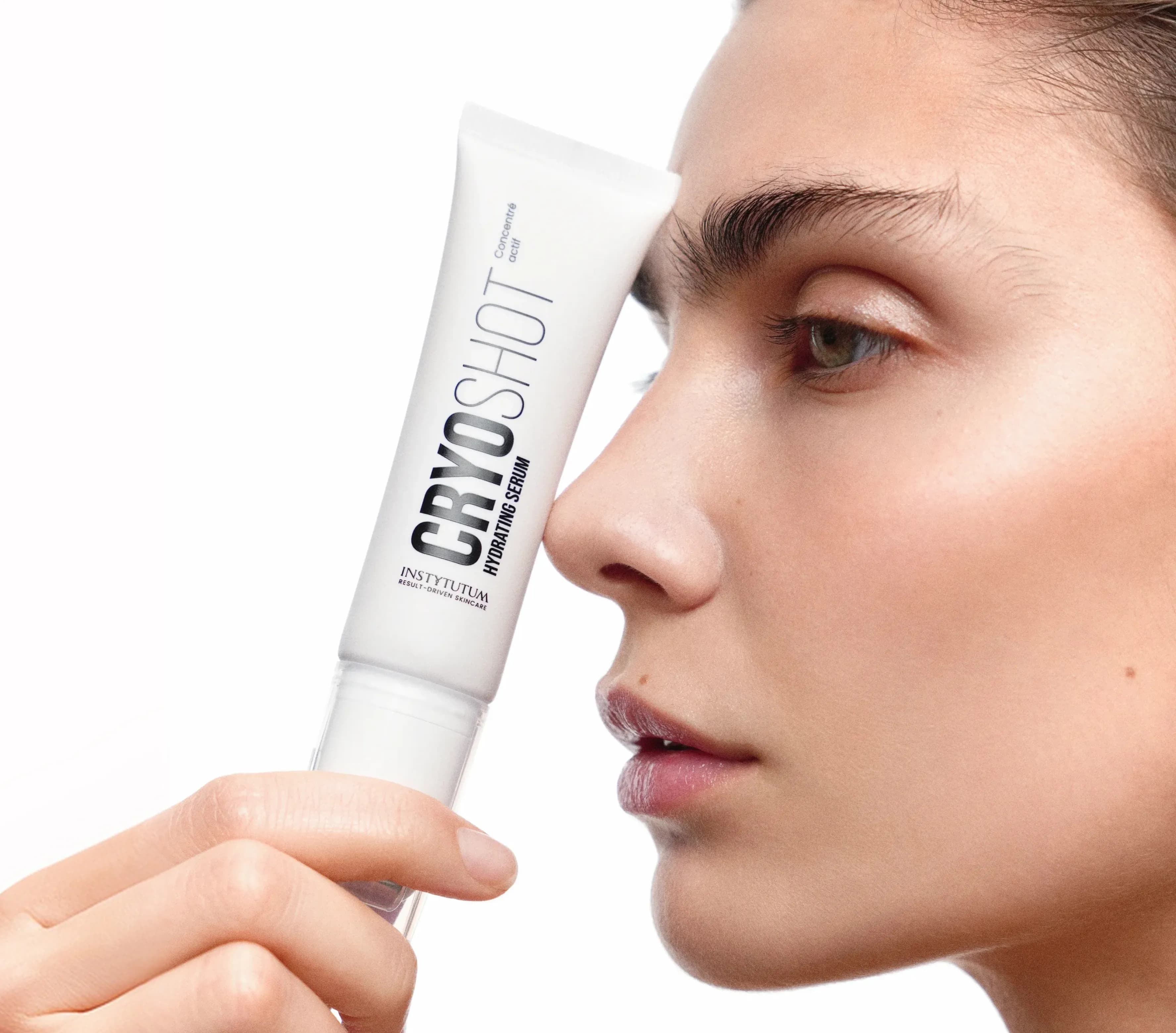
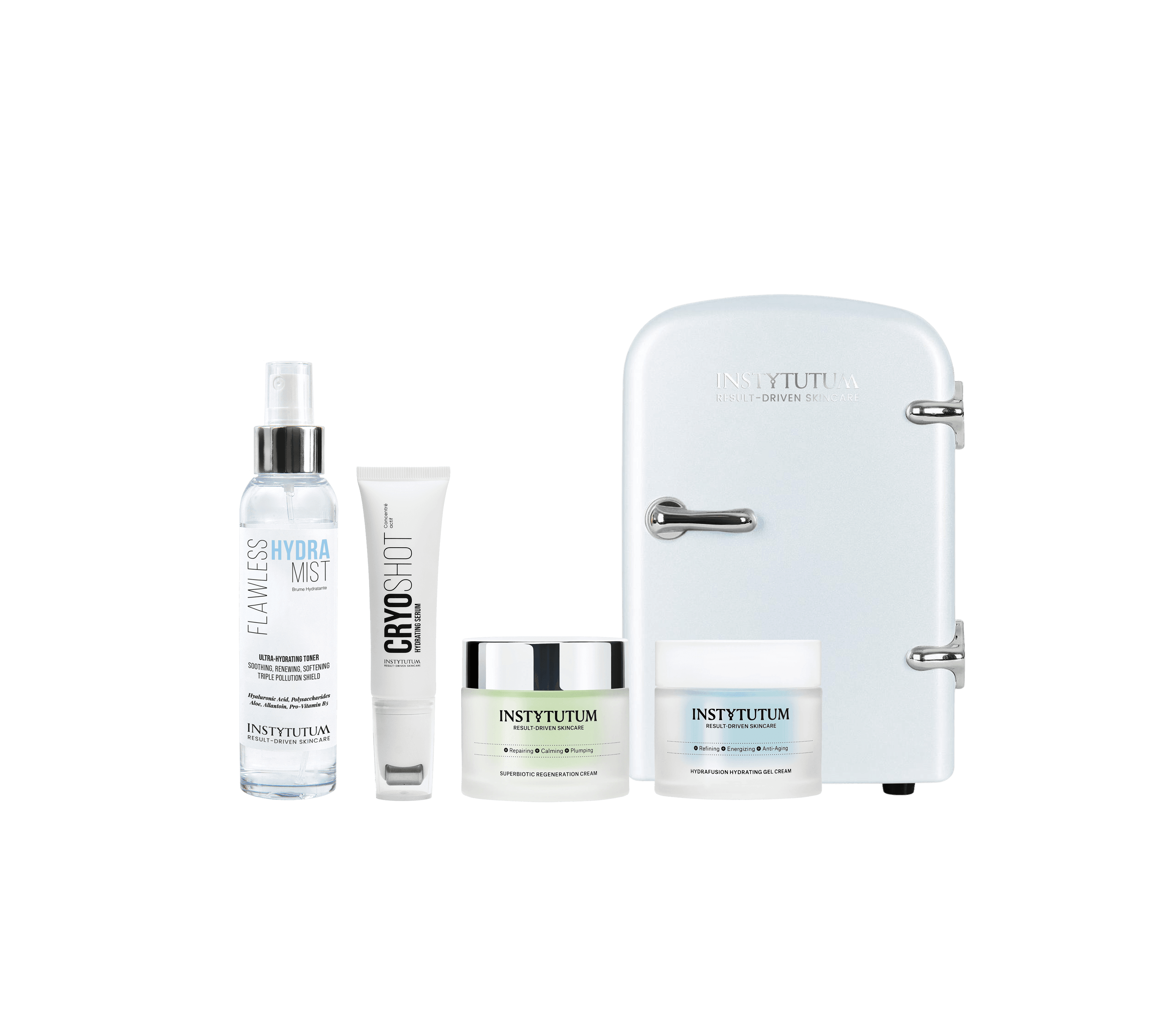
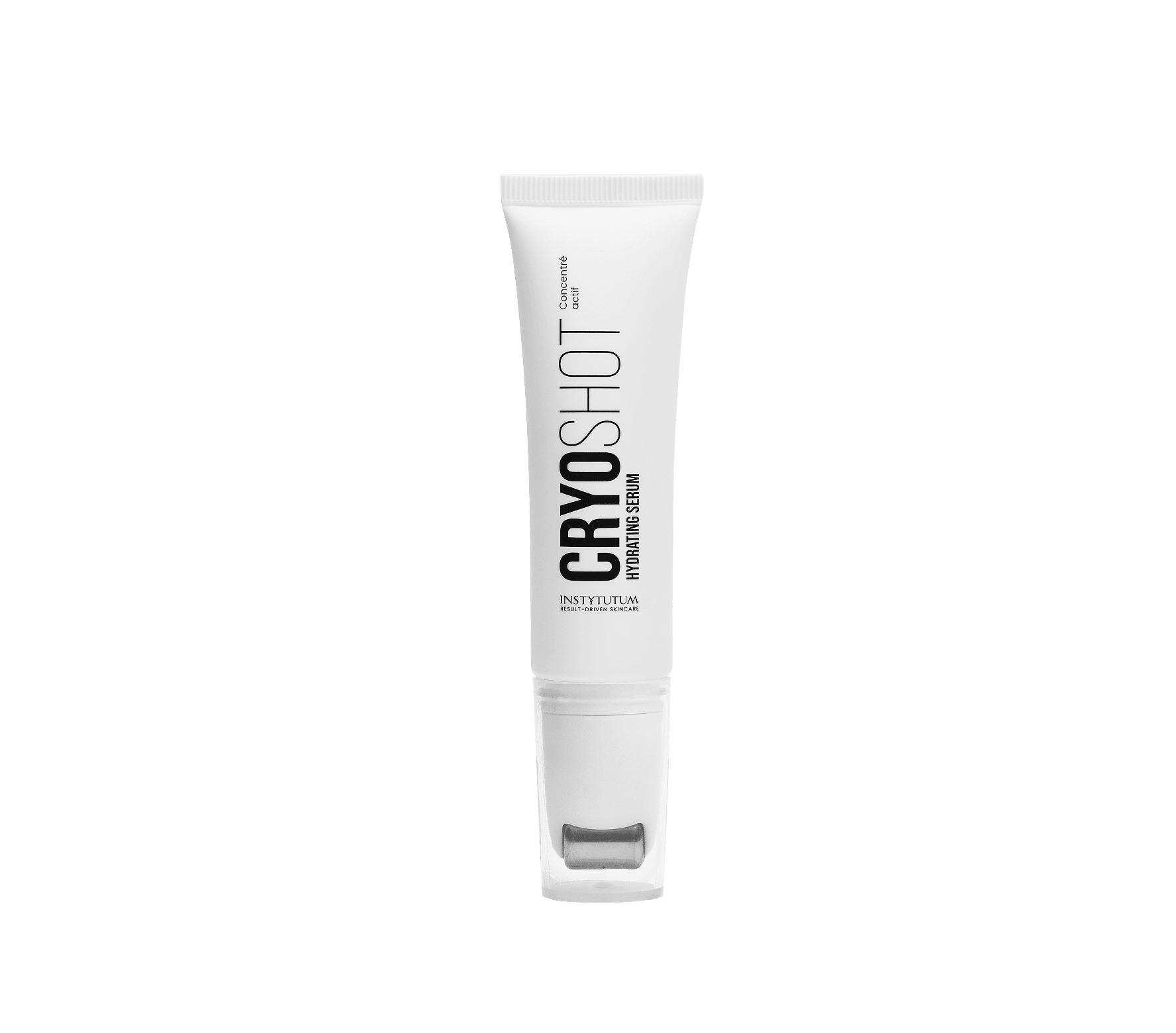
Cryoshot Hydrating Serum supports immediate hydration recovery and helps calm stressed, dehydrated skin.
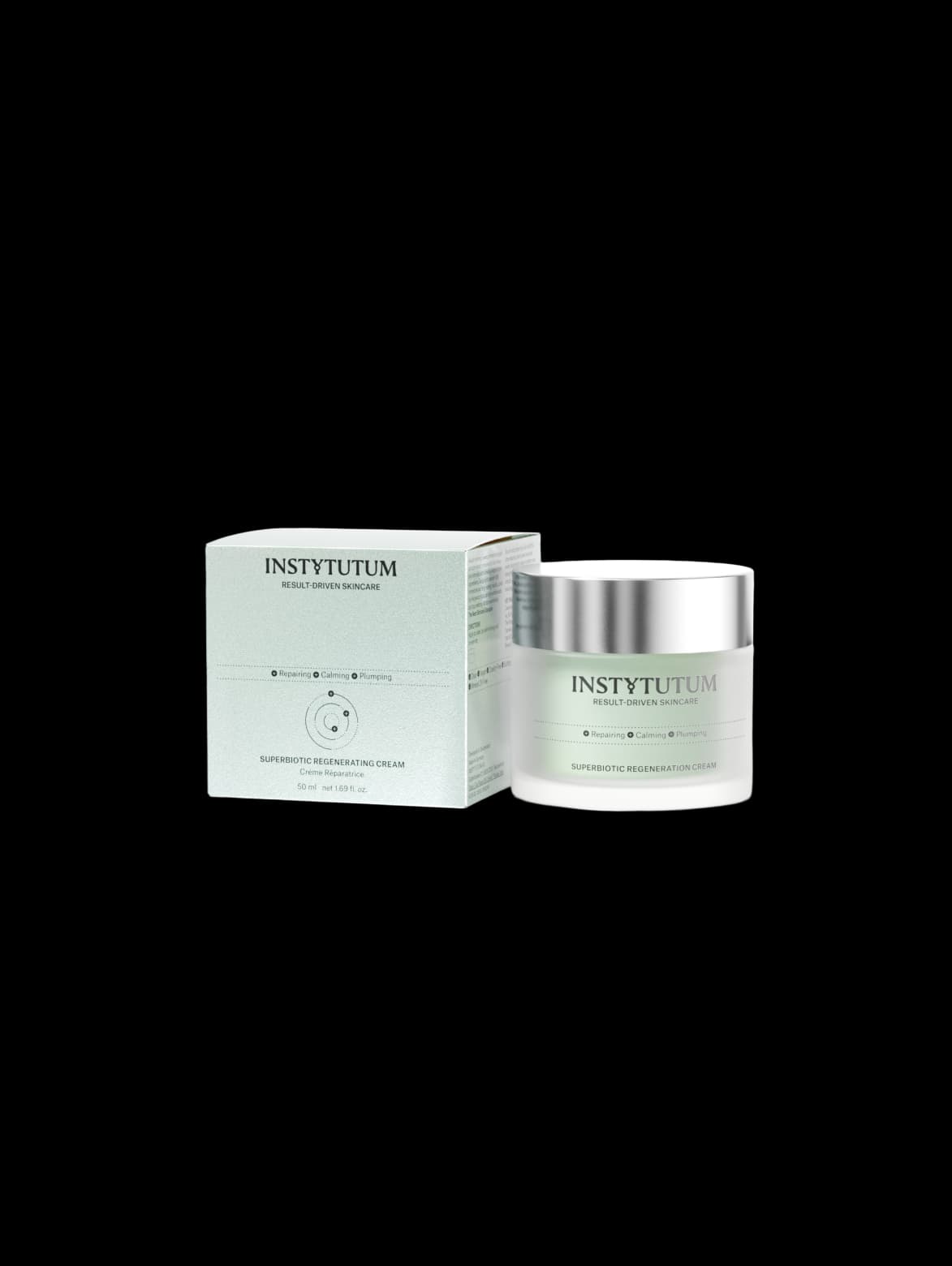
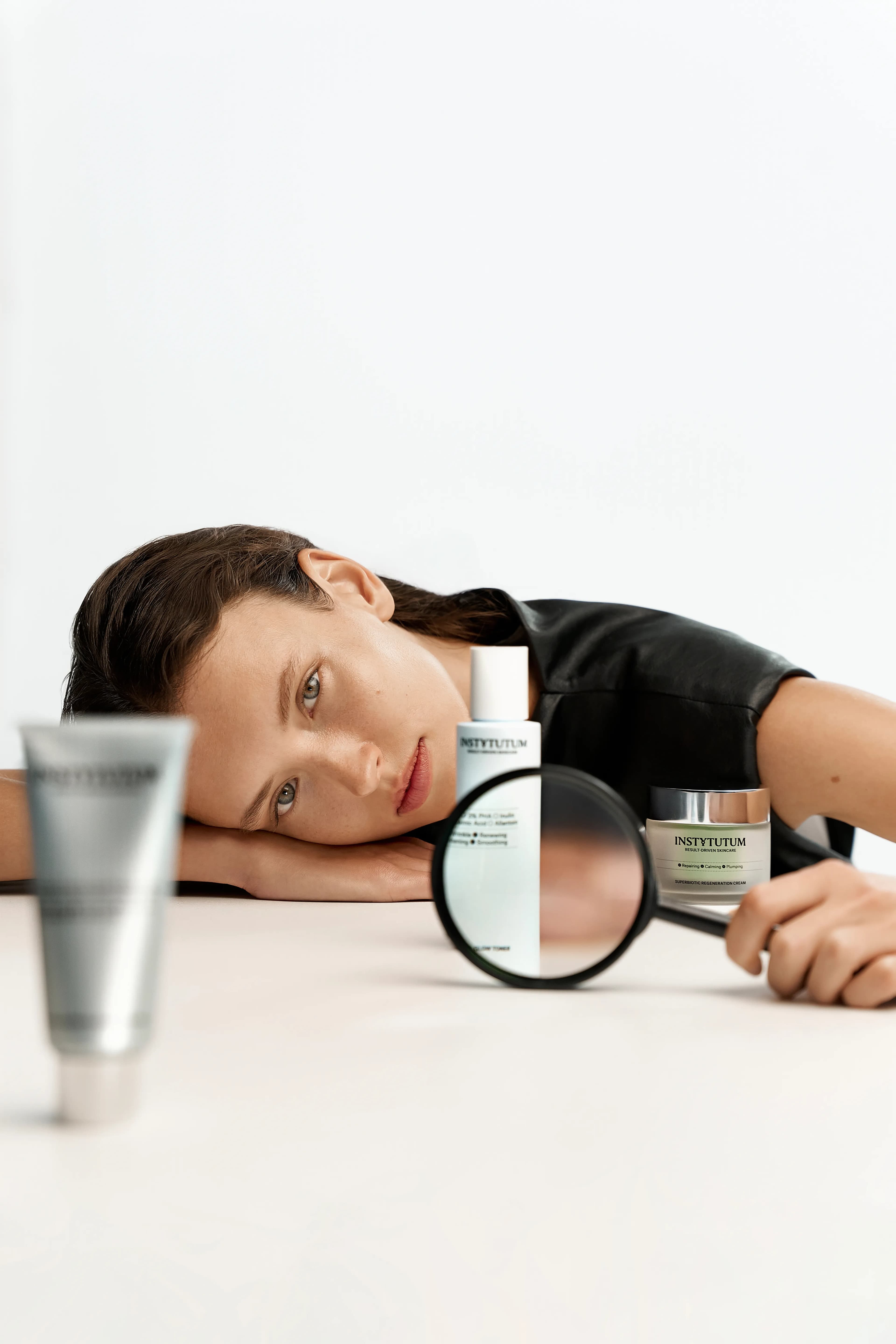
SuperBiotic Regenerating Cream targets microbiome balance and barrier repair, helping skin regain stability under chronic stress conditions.
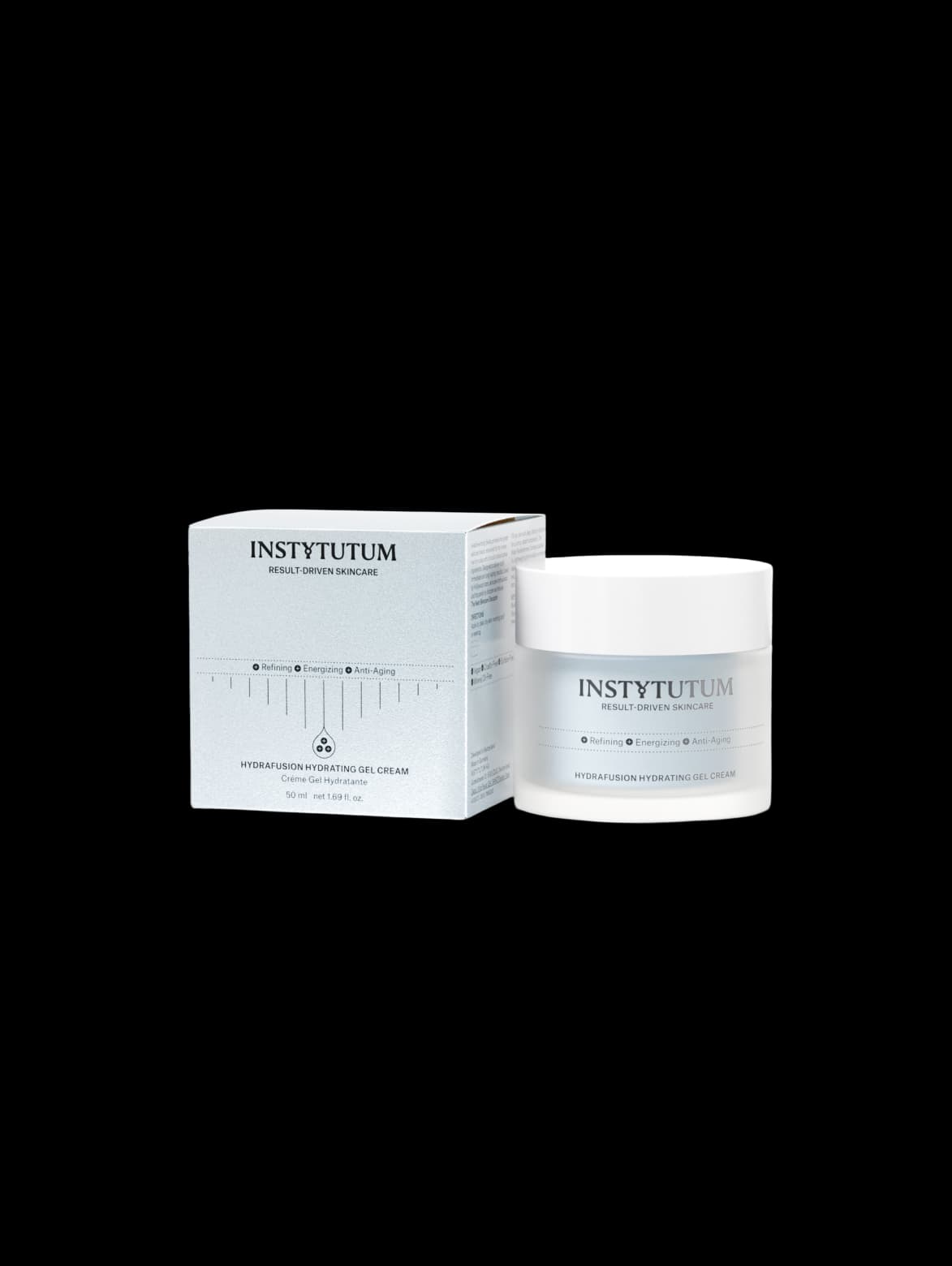
Hydrafusion Hydrating Gel Cream delivers long-lasting hydration and strengthens moisture retention for visibly smoother, healthier skin.
Together, these formulas support skin recovery from the inside out, aligning with modern stress-skin science.