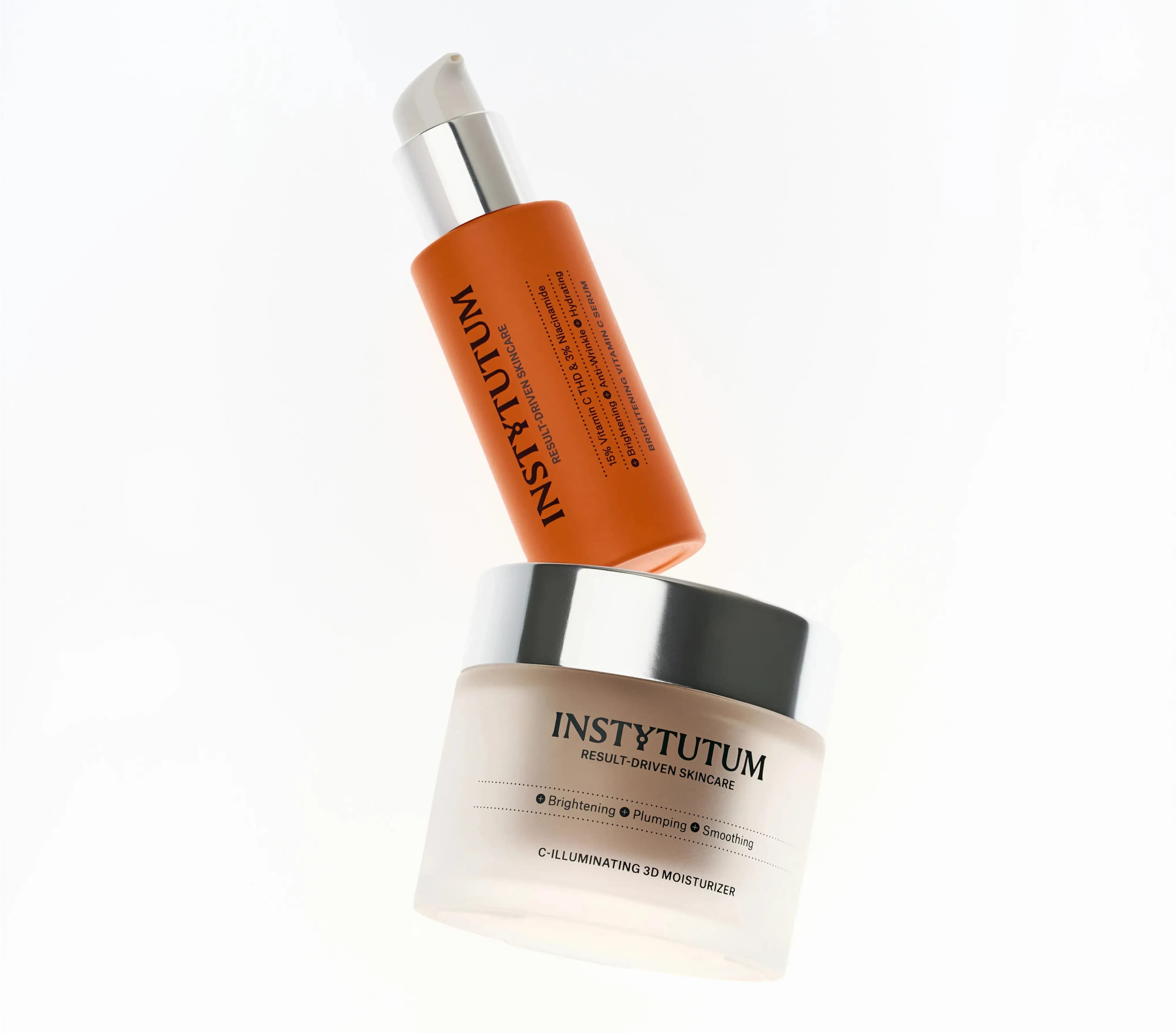
Vitamin C has long outgrown its status as a beauty trend. Today, it is one of the most extensively researched ingredients in skincare. It neutralizes free radicals, helps defend against oxidative stress, supports collagen synthesis, improves uneven tone and restores radiance.
Contents
Why Your Skin Needs Topical Vitamin C
Which Form of Vitamin C Works Best
How Vitamin C Complements Sun Protection
Age-Disrupting Action: Supporting Collagen Synthesis
Targeting Pigmentation
Supporting Inflammation-Prone Skin
Deep Hydration and Barrier Support
Key Takeaways
Why Your Skin Needs Topical Vitamin C
Clinical studies have shown that topical vitamin C can visibly improve the skin, boosting radiance and elasticity while reducing the appearance of wrinkles and signs of photoaging. By influencing tyrosinase activity, it helps regulate melanin production, fade discoloration and promote a more even skin tone.
The human body cannot produce vitamin C on its own, so we must obtain it through our diet. Yet only a fraction of the vitamin C we consume reaches the skin and remains biologically available there. Topical application delivers the active ingredient directly to the skin.
Which Form of Vitamin C Works Best
The performance of vitamin C depends heavily on the form used. Traditional L-ascorbic acid is a water-soluble molecule. It functions in an aqueous environment, while the skin’s protective barrier is largely lipid-based. As a result, L-ascorbic acid has more difficulty crossing the stratum corneum and requires a low, acidic pH to remain effective. It also oxidizes quickly when exposed to light and air, changing color and gradually losing potency.
Tetrahexyldecyl ascorbate (THD) is a modern, oil-soluble form of vitamin C. Because it is compatible with the skin’s lipids, it crosses the protective barrier more readily, penetrates the epidermis and delivers vitamin C to skin cells up to 50 times more efficiently than the traditional water-soluble form. THD is also far more stable when exposed to light and air, retains its activity for longer and works effectively at a more skin-compatible pH.
A concentration of 10–20% is generally considered effective for topical vitamin C. Concentrations above 20% do not appear to provide a meaningful increase in efficacy and may raise the risk of irritation, particularly for sensitive skin. The percentage on the label is only part of the story. The form of vitamin C, its stability, the delivery system and the supporting ingredients matter just as much.
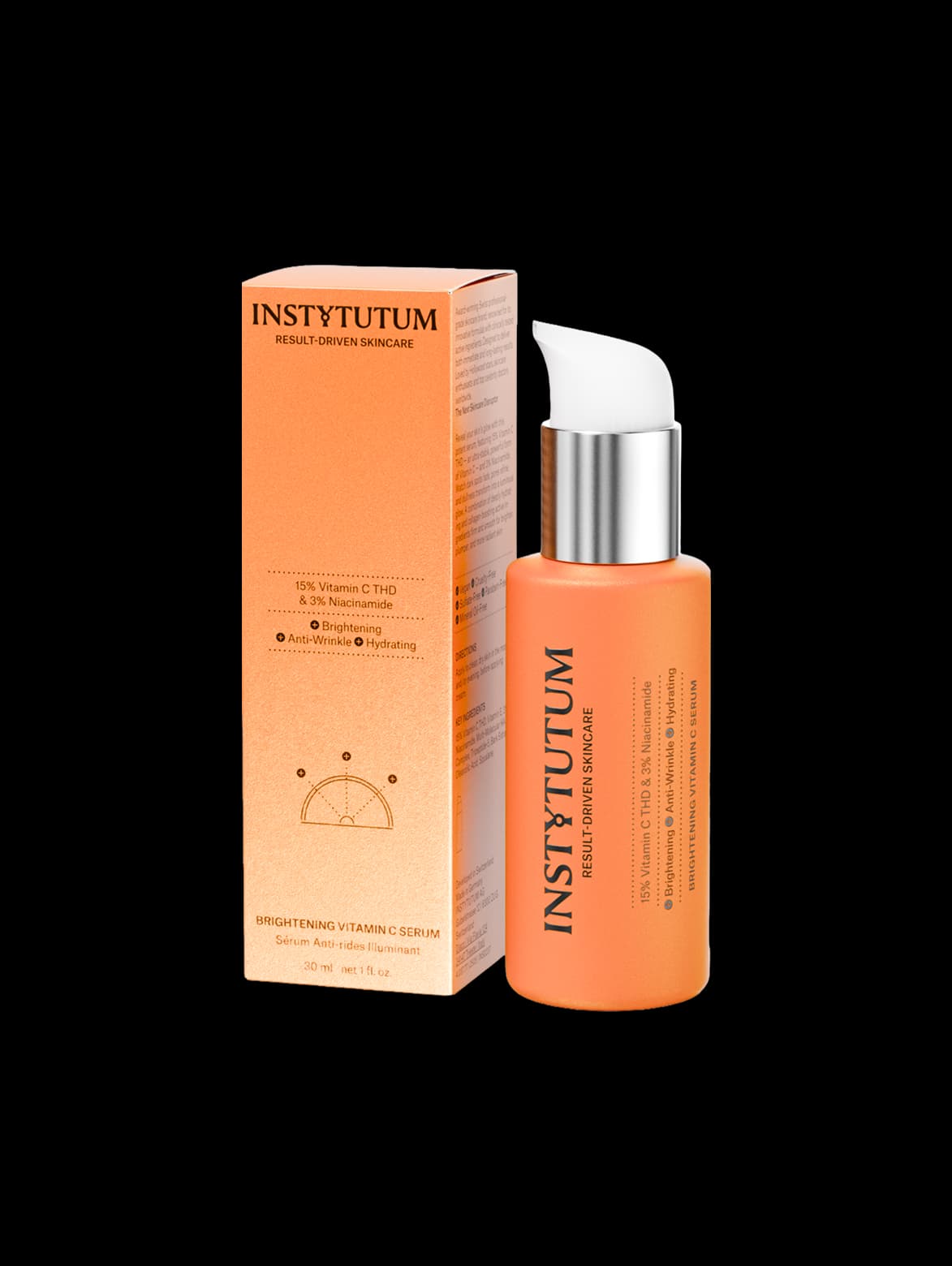
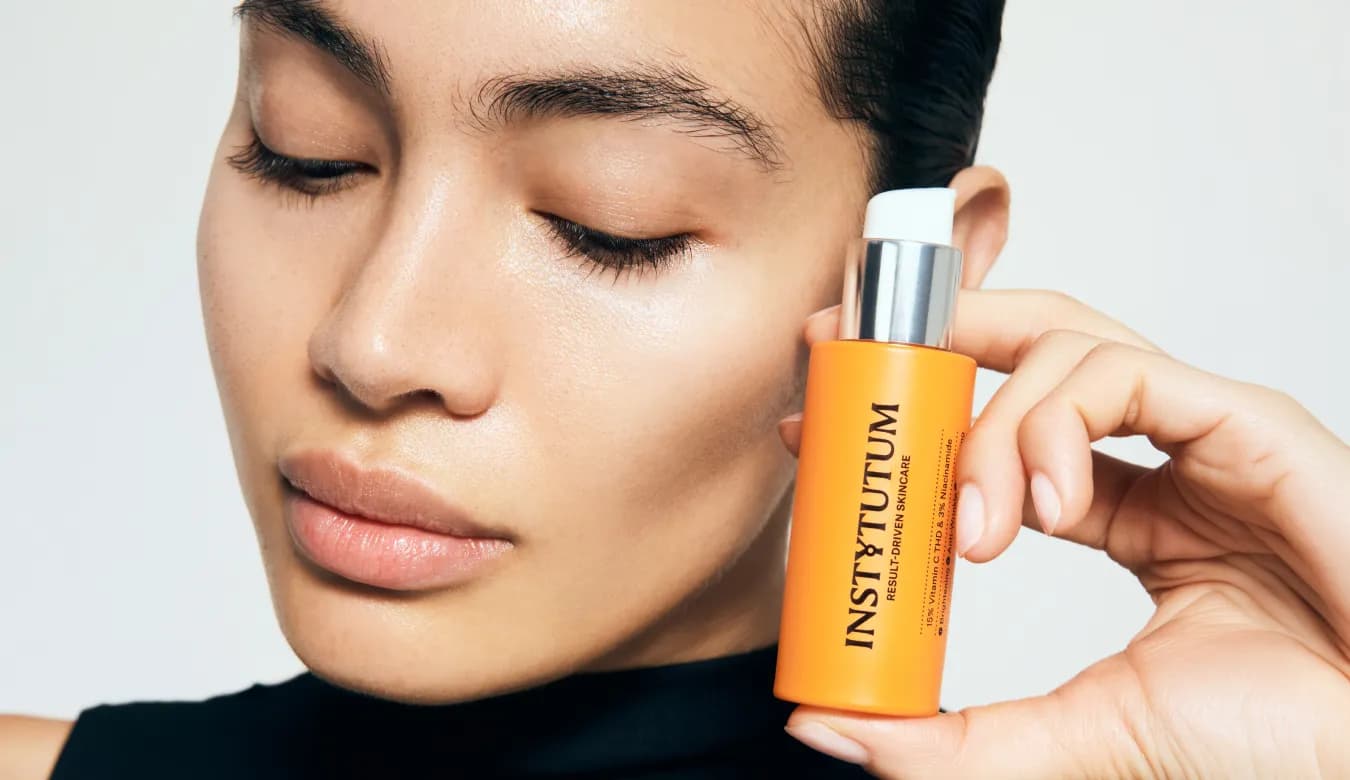
Brightening Vitamin C Serum was formulated around this principle: it combines 15% stable, oil-soluble THD ascorbate with vitamin E, niacinamide and tripeptide-5. Together, these actives support collagen synthesis, promote a more even skin tone and restore radiance.
How Vitamin C Complements Sun Protection
When applied two hours before UV exposure, topical vitamin C has been shown to help limit wrinkle formation by neutralizing sun-induced free radicals. Studies report a 52% reduction in UV-induced erythema and a 40–60% reduction in the severity of sunburn following topical application of vitamin C.
While vitamin C can provide antioxidant photoprotection of its own, it works best alongside vitamin E, which can increase its protective effect fourfold. The two antioxidants are paired in Brightening Vitamin C Serum for this reason. Vitamin E plays an important role in protecting cells from oxidative stress and maintaining collagen levels. Like vitamin C, it is rapidly depleted following UV exposure. For comprehensive protection, vitamin C should be used as an antioxidant complement to broad-spectrum sunscreen—not as a replacement for it.
Age-Disrupting Action: Supporting Collagen Synthesis
The synthesis of new collagen depends directly on the presence of vitamin C. But vitamin C does not work alone: signaling molecules such as peptides help activate fibroblasts. Research has shown that combining vitamin C with peptides can protect skin cells from damage, reduce oxidative stress and encourage fibroblasts to produce collagen. The combination has also been associated with faster epidermal renewal.
Used together, vitamin C and peptides can help soften the appearance of common expression lines, including vertical frown lines, crow’s feet and horizontal forehead lines. Brightening Vitamin C Serum pairs 15% THD with 2.5% tripeptide-5 to support collagen synthesis, reinforce the skin’s structure and reduce the appearance of wrinkles.
Targeting Pigmentation
Vitamin C reduces tyrosinase activity, helping regulate melanin synthesis. Niacinamide works at other stages in the development of uneven tone while also strengthening the skin’s protective barrier. Together, they help reduce the appearance of dark spots and post-inflammatory hyperpigmentation, even the complexion and restore radiance.
The combination of vitamin C and niacinamide has been shown to reduce hyperpigmentation effectively while maintaining a strong safety profile.
Supporting Inflammation-Prone Skin
Vitamin C helps reduce the activity of pro-inflammatory mediators, including TNF-α, IL-1, IL-6 and IL-8, while also reducing oxidative stress. Niacinamide helps calm the skin, strengthen the protective barrier and address post-inflammatory marks. Together, these actives help reduce visible signs of inflammation, support skin recovery and improve the overall condition of skin prone to breakouts and blemishes.
Deep Hydration and Barrier Support
Optimal hydration is essential for a resilient protective barrier and for skin that looks smooth and firm. Hyaluronic acid plays a central role by binding and retaining water. A multi-molecular complex combines molecules of different sizes, working both at the surface and within the upper layers of the skin to deliver multi-level hydration.
In Brightening Vitamin C Serum, the multi-molecular hyaluronic acid complex is complemented by 3% squalane, which replenishes lipids, reinforces the protective barrier and helps reduce transepidermal water loss. In a clinical study, the combination of vitamin C and hyaluronic acid significantly improved skin hydration in 63% of participants.
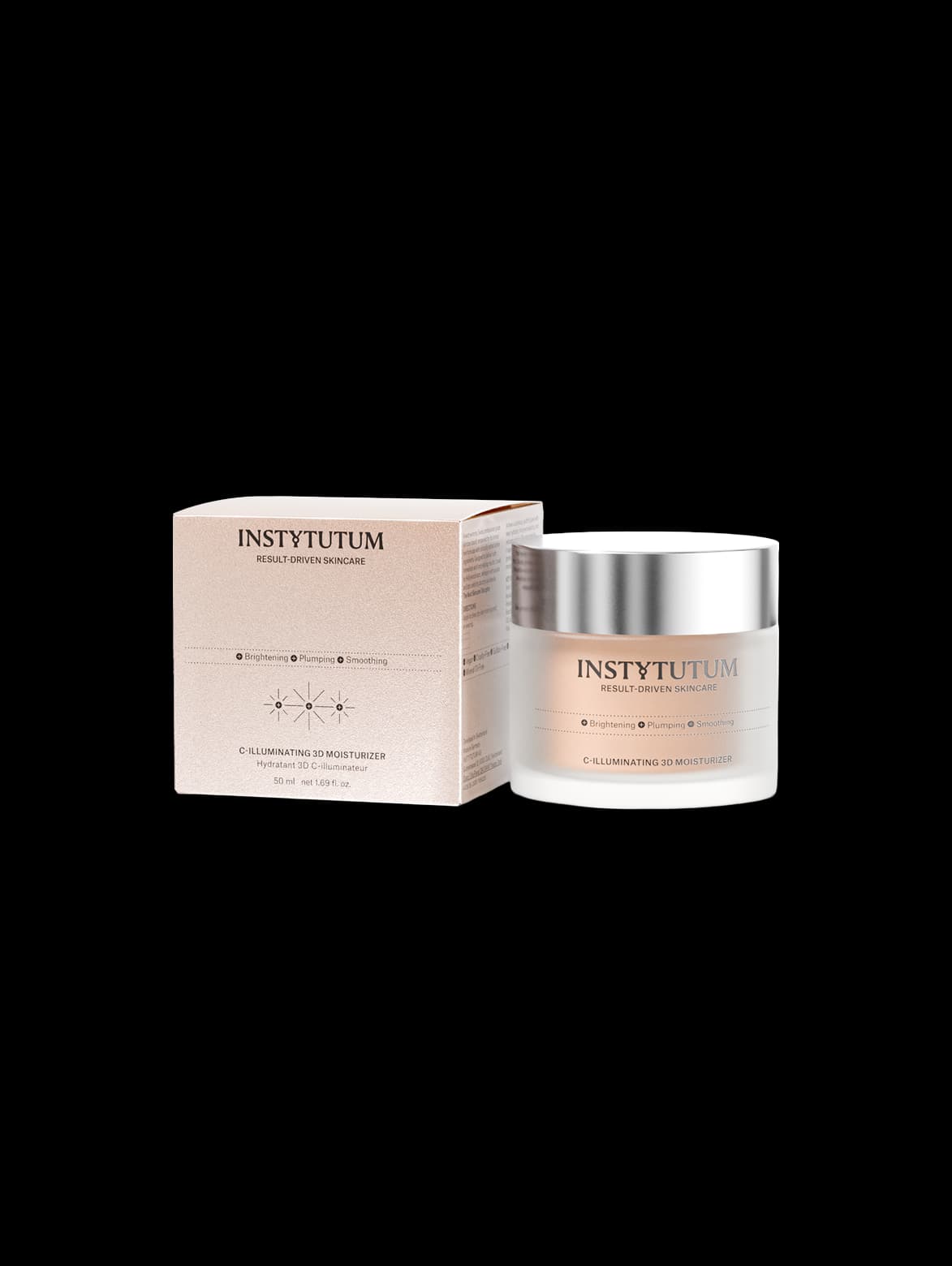
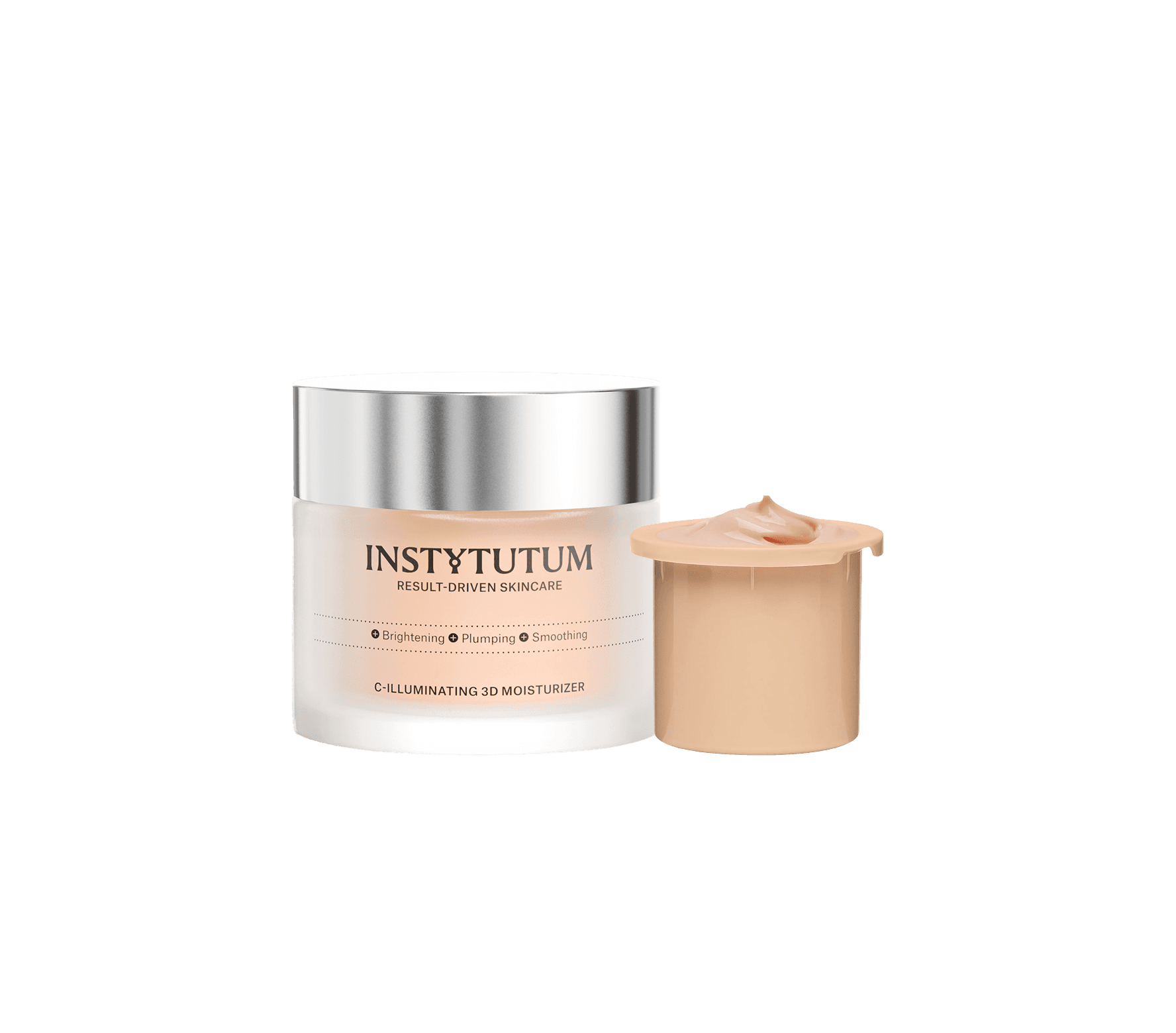
C-Illuminating 3D Moisturizer extends the serum’s hydrating action, helping keep the skin comfortable, smooth and plump throughout the day.
Key Takeaways
Vitamin C is one of the most extensively researched and effective active ingredients in modern dermatology. It neutralizes free radicals, supports collagen synthesis, helps reduce pigmentation and promotes a more even skin tone.
Brightening Vitamin C Serum combines 15% stable, oil-soluble THD ascorbate with niacinamide, tripeptide-5, vitamin E, multi-molecular hyaluronic acid and squalane. Each ingredient has a distinct role; together, they address wrinkles and pigmentation while supporting hydration and barrier function. The result is skin that looks firmer, more even and more radiant.