Ultraviolet radiation has long been recognised as one of the main factors contributing to premature skin aging. UV rays break down collagen fibres, causing pigmentation, wrinkles and a loss of elasticity. Sunlight damages the skin’s protective barrier, making it more sensitive and prone to dryness and inflammation. In addition to aesthetic changes, UV radiation also triggers photocarcinogenesis – damage to cellular DNA – which can contribute to the development of skin cancer.
SPF is now a must-have in your daily skincare routine, especially when the sun is strong. At the same time, many people wonder: are all sunscreens equally safe and effective?
What the FDA focuses on?
The U.S. Food and Drug Administration (FDA) evaluates sunscreens based on several key criteria:
Broad-spectrum protection. Ultraviolet radiation is divided into three types:
UVC — is completely absorbed by the ozone layer and does not reach the Earth’s surface.
UVB — is responsible for sunburn, DNA damage, and mutations linked to the development of non-melanoma skin cancer.
UVA — penetrates deeper, contributes to pigmentation and oxidative stress, and damages cellular DNA.
That is why modern SPF products must provide protection against both UVA and UVB rays.
Photostability
It determines whether UV filters can maintain their effectiveness when exposed to sunlight. The higher the photostability, the more reliable the protection.
SPF Level
The FDA recommends using products with an SPF of at least 15. This is the minimum level that allows manufacturers to claim that the product helps reduce the risk of premature skin aging and skin cancer.
Physical vs. Chemical Sunscreens: What’s the Difference?
All sunscreens are broadly divided into two categories:
Physical (mineral) filters — zinc oxide and titanium dioxide. They work by reflecting and scattering UV rays. However, these formulas can leave a white cast, feel thicker, roll off under makeup, or feel heavy on the skin.
Organic (chemical) filters — these absorb ultraviolet radiation. Each works within its own spectrum, so modern sunscreens typically combine several different filters to provide comprehensive protection.
Why SPF Safety Matters
Today, when choosing sunscreen, it’s important to pay attention not only to the level of protection but also to the ingredients. Studies confirm that certain sunscreen filters can be absorbed through the skin. These ingredients include oxybenzone, homosalate, octinoxate, and avobenzone. Oxybenzone is of particular concern, as it has the highest potential to cause contact or photocontact dermatitis.
These ingredients have also been detected in blood, urine, and breast milk even several weeks after use. Additionally, when using sunscreen sprays, a certain amount of the filters may enter the body through inhalation, and with lip products, through ingestion.
The Next-Gen approach to sun protection
When choosing an SPF, it’s important to look not only for a high level of protection, but also for modern, photostable UV filters with a proven safety profile.
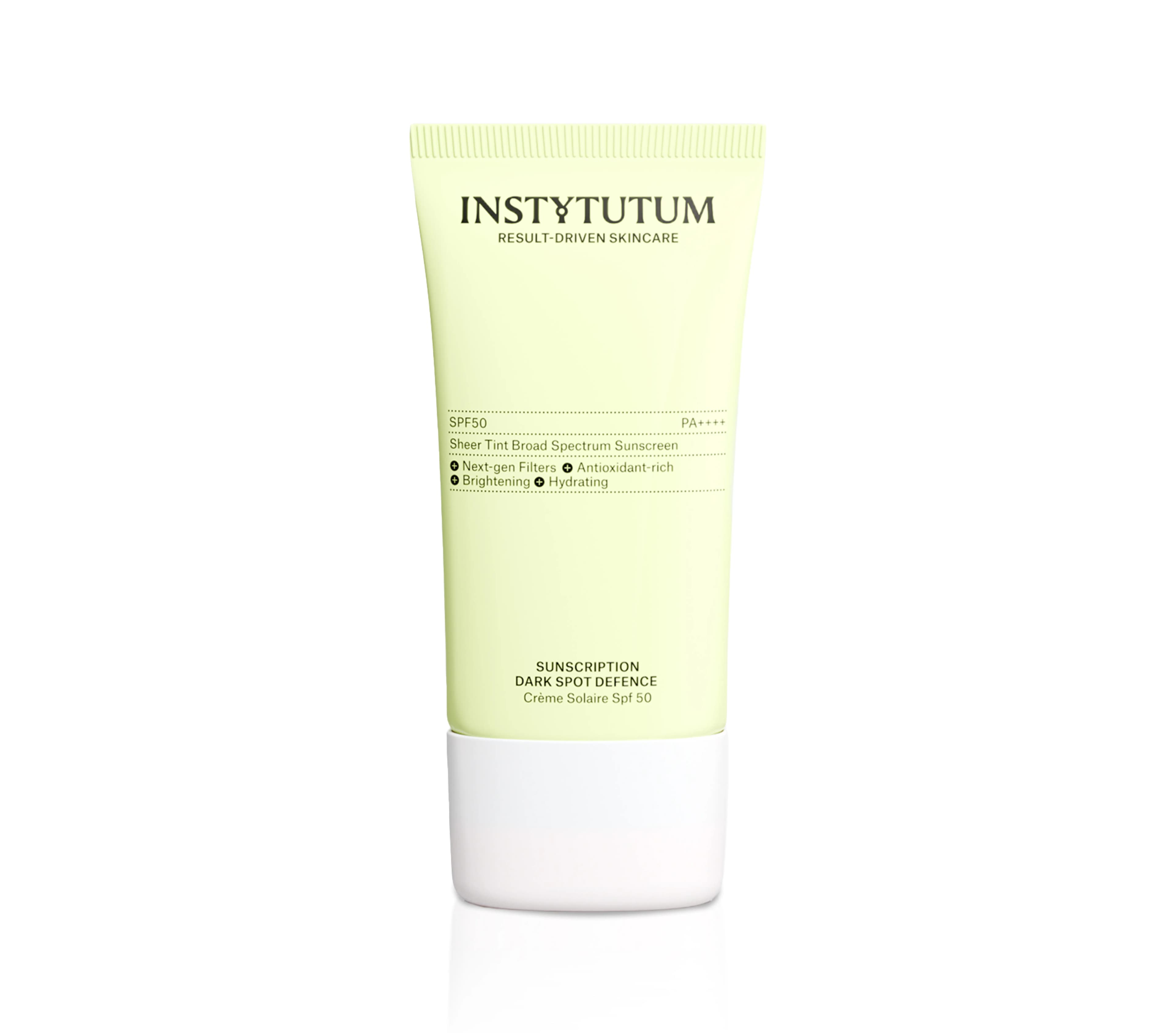
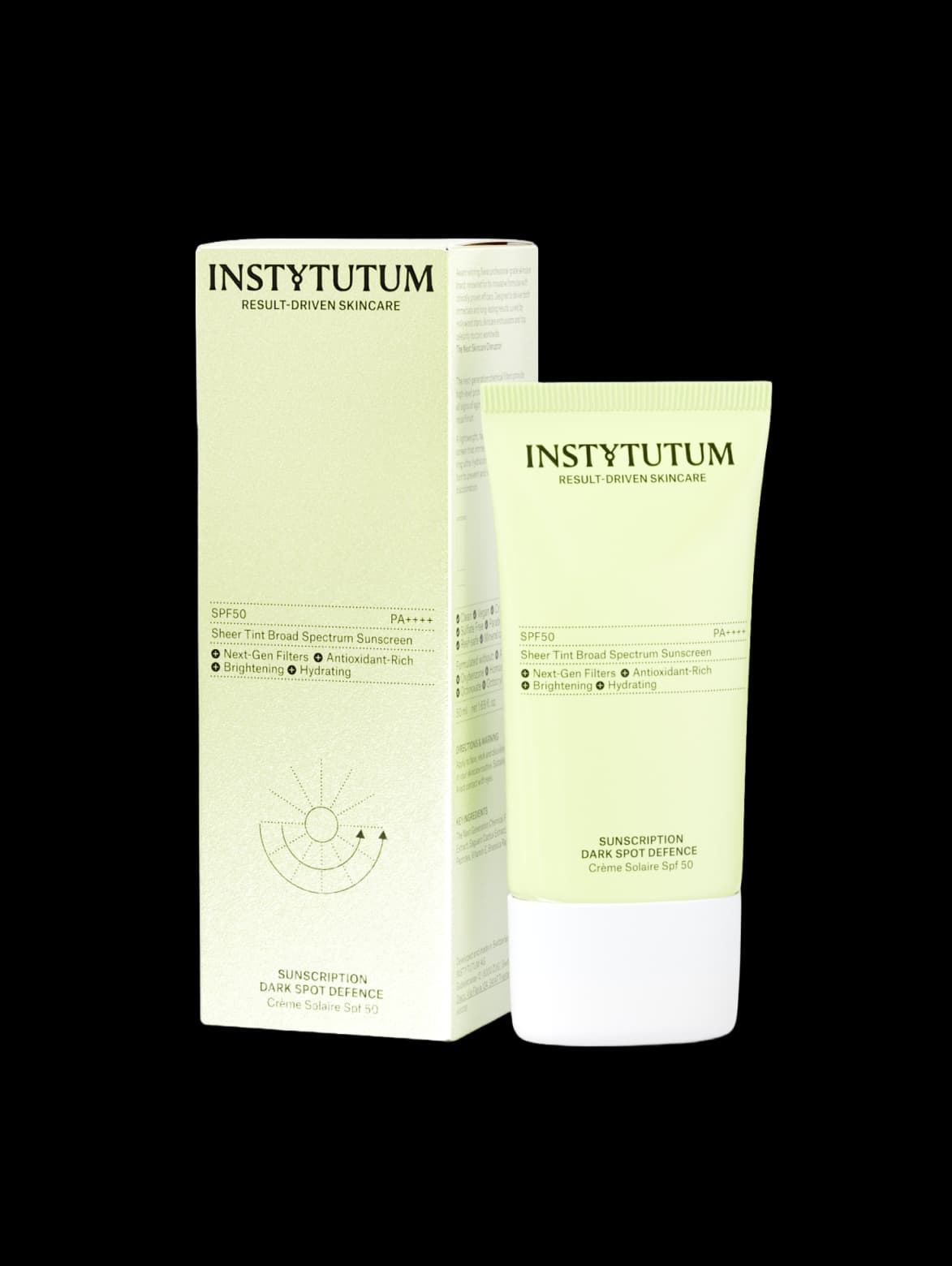
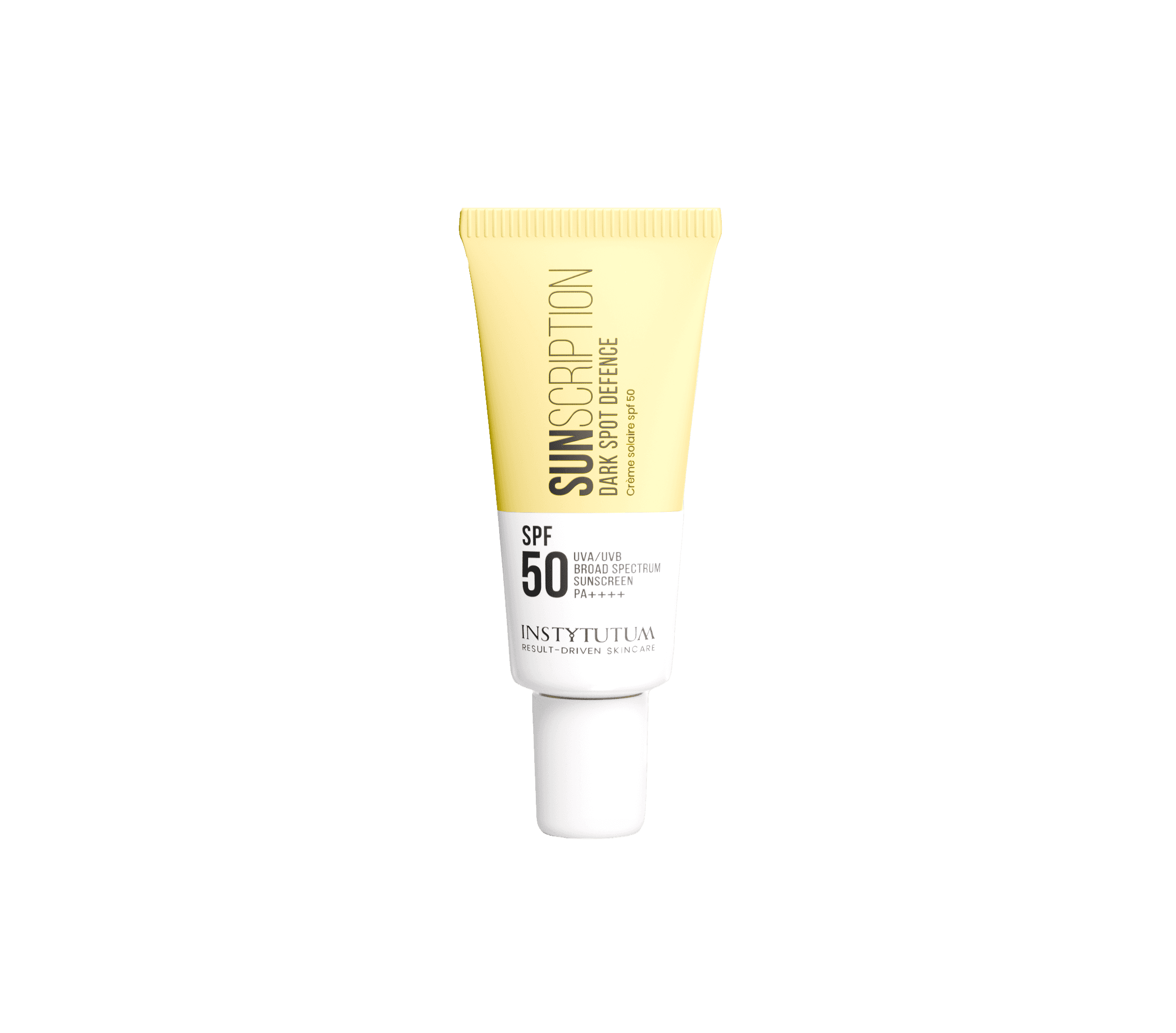
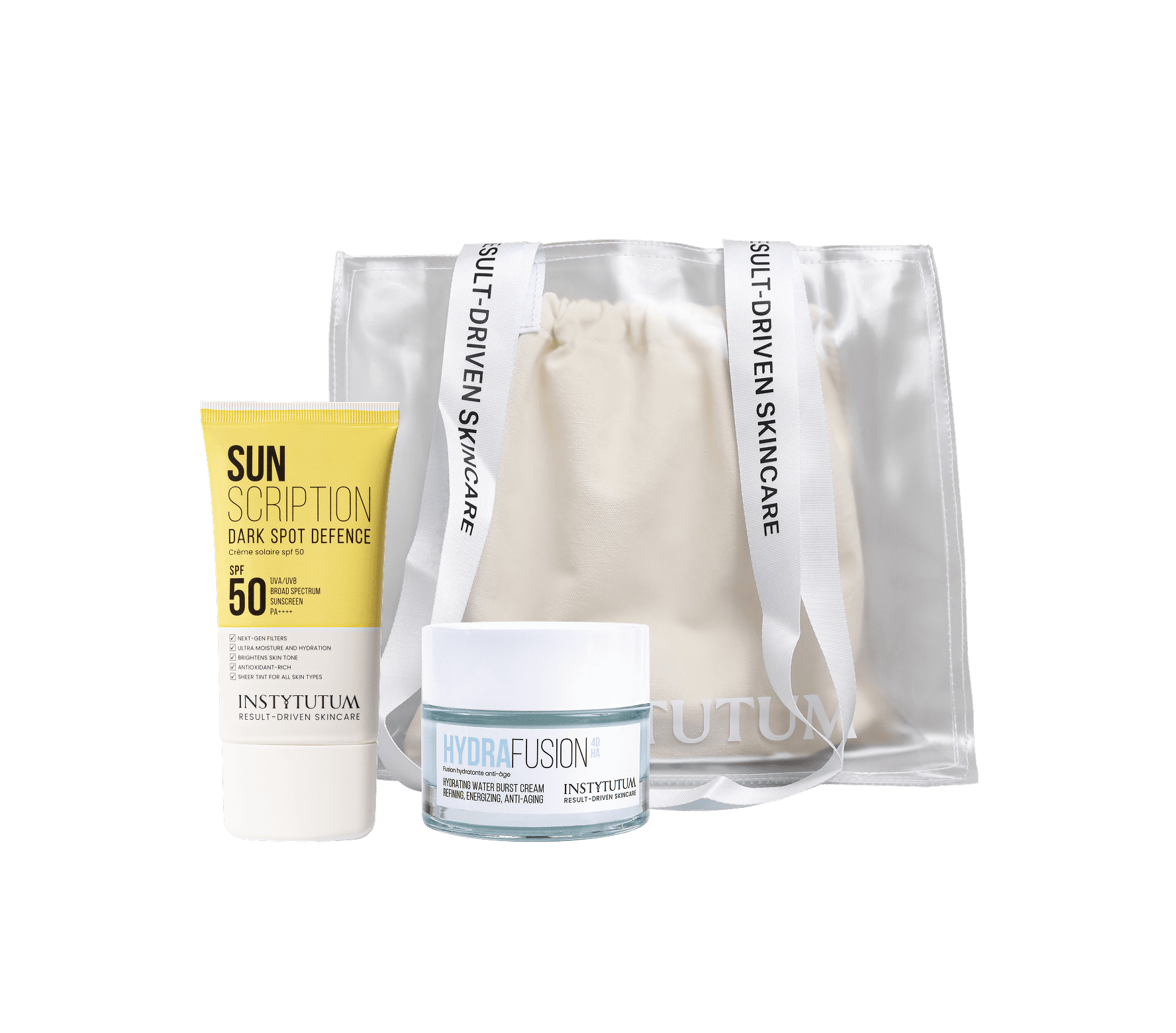
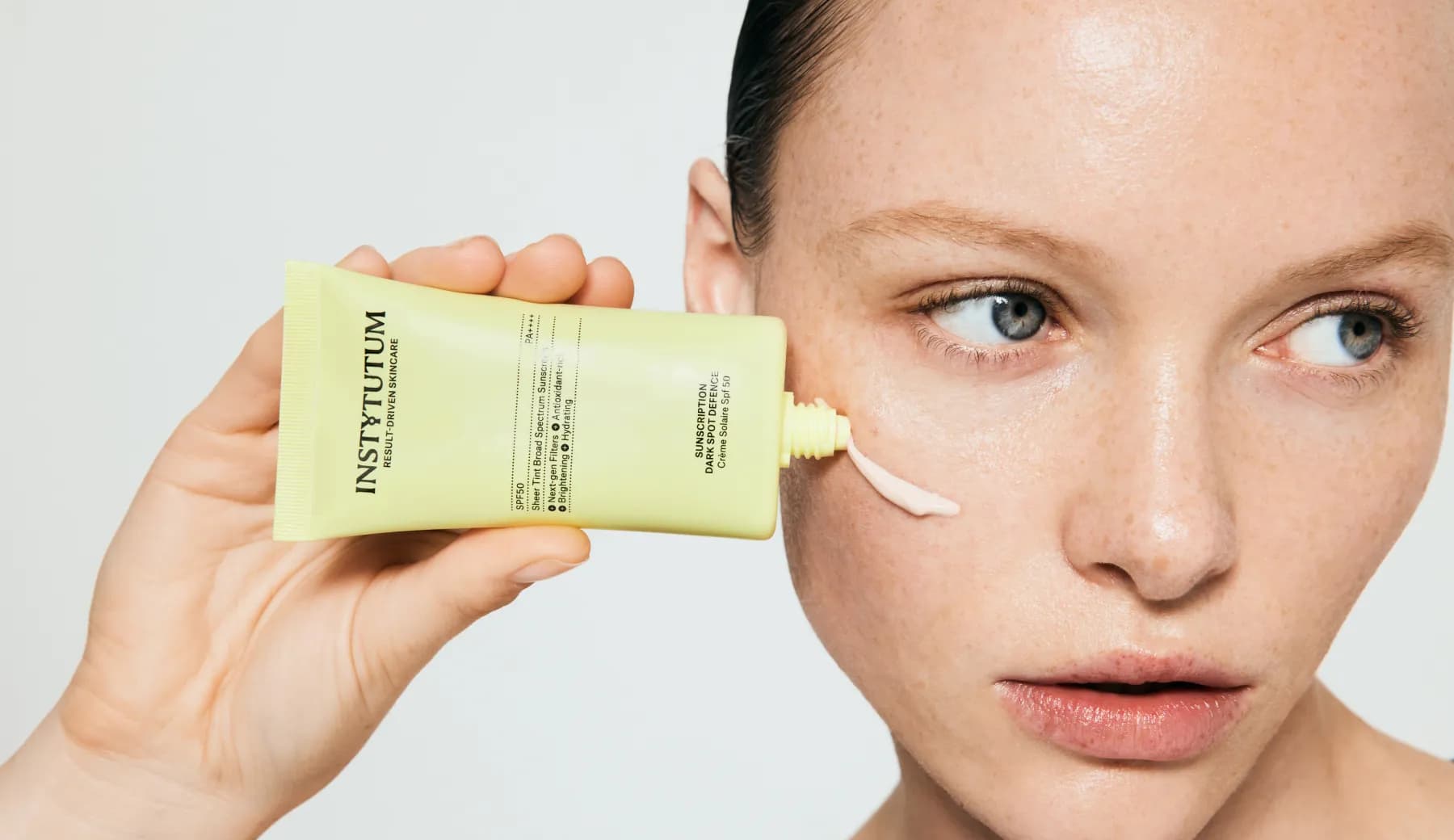
SUNSCRIPTION DARK SPOT DEFENCE SPF50 contains three new-generation organic filters: they offer excellent photostability, are safe, and are globally approved.
Bis-ethylhexyloxyphenol Methoxyphenyl Triazine – provides excellent UV protection with a broad absorption spectrum (UVA+UVB). It does not cause skin irritation and has no hormonal effects.
Diethylamino Hydroxybenzoyl Hexyl Benzoate – a UV filter with high UVA absorption.
Ethylhexyl Triazone – one of the most effective UVB filters on the market. It is highly compatible with all UV filters and remains stable even under intense solar radiation.
All-round protection
Sun protection includes both primary and secondary protective factors. The Sunscription SPF50 formula combines two cutting-edge complexes that work according to the Inside & Out approach:
Age-Disrupting & Longevity Complex:
Vitamin E – a powerful antioxidant that neutralizes free radicals, protects the skin from oxidative stress and premature aging. It helps reduce photo-damage and lowers the risk of hyperpigmentation.
Cocoa peptides – have powerful antioxidant properties, protect the skin from photoaging, and reduce the negative effects of environmental pollution.
Barrier & Protection Complex:
Salicornia extract is a unique moisturizing ingredient that increases the skin’s moisture levels by 60 times. It stimulates aquaporins — proteins responsible for transporting water within cells — helping the skin stay hydrated and smooth.
Turnip root extract is a natural brightening ingredient that effectively reduces existing pigmentation and prevents the appearance of new dark spots. It evens out skin tone, giving it a radiant and healthy appearance.
Saguaro cactus extract — is extremely effective at maintaining hydration and restoring the skin, especially after UV exposure. It soothes irritation, strengthens the skin’s protective barrier, and helps combat inflammation.
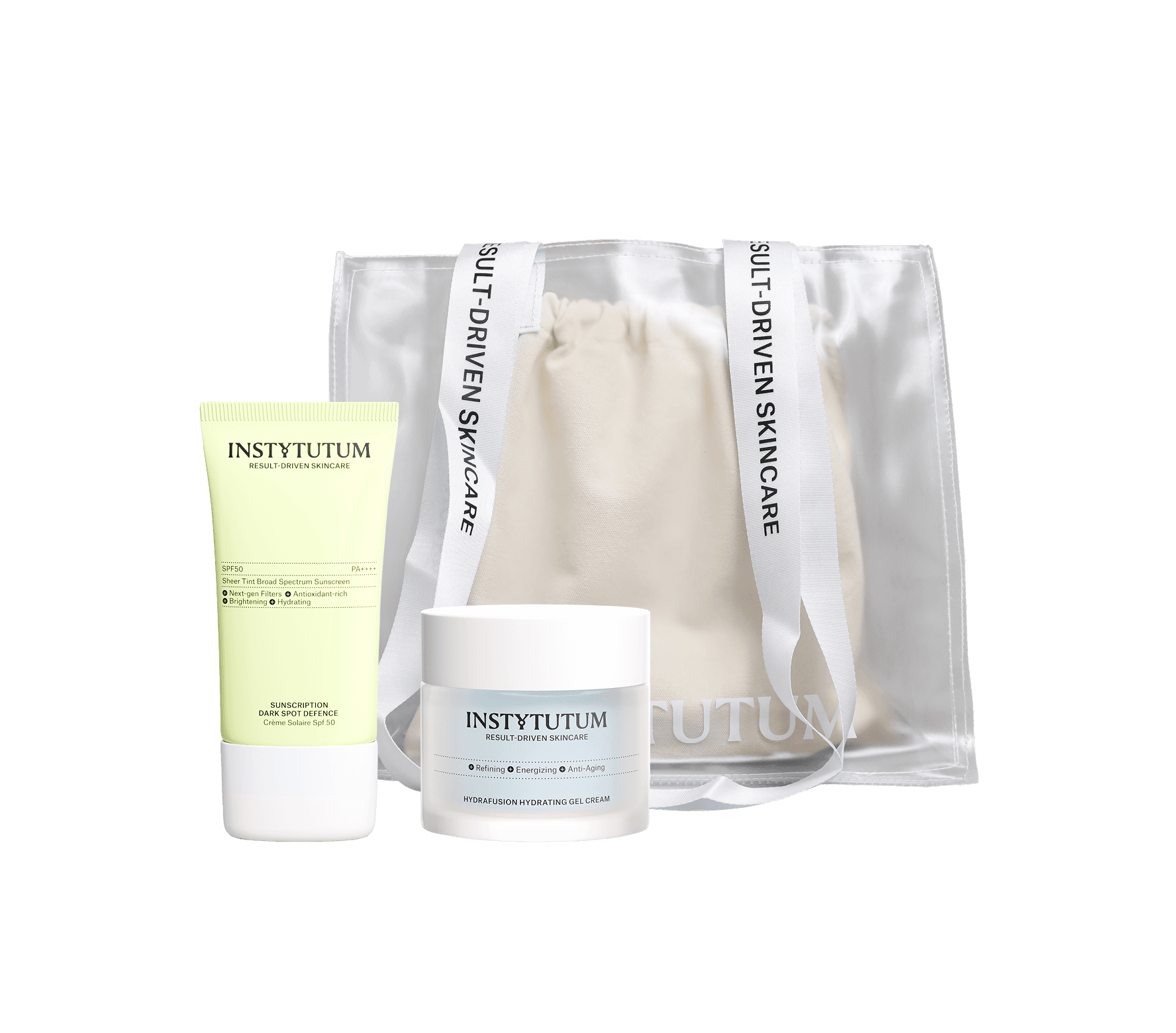
Sunscription SPF50 is an essential longevity step in your skincare routine that helps maintain skin health, comfort, and youthfulness day after day.