What You Need to Know
Retinoids are vitamin A derivatives that share functional or structural similarity with it and interact with receptors directly in the nucleus of skin cells.
There are 4 generations of retinoids: from natural, non-specific, non-aromatic forms (retinol, tretinoin, isotretinoin) to synthetic (etretinate, acitretin), receptor-specific polyaromatic (adapalene, tazarotene), and heterocyclic (trifarotene) compounds.
Granactive Retinoid (Hydroxypinacolone Retinoate, HPR) is a representative of the new generation of retinoids that binds directly to nuclear receptors without prior enzymatic conversion.
Legacy forms of retinoids are approved at concentrations up to 1% and require gradual introduction into a skincare routine; Granactive Retinoid can be used at concentrations up to 5% without gradual introduction.
Contents
1. What retinoids are and how they work
2. Classification and generations of retinoids
3. Old and new forms of retinoids: what's the difference
4. Granactive Retinoid: a new-generation innovation
5. INSTYTUTUM products: retinoids in the Longevity Protocol
6. Retinoid application protocol for at-home care
7. Myths about retinoids
Conclusions
FAQ
1. What retinoids are and how they work
Retinoids are vitamin A derivatives that share functional or structural similarity with it. These molecules interact with receptors directly in the cell nucleus. Retinoids act as cellular “conductors,” accelerating skin renewal, stimulating collagen synthesis, reducing pigmentation, and fighting acne. They regulate genes, inhibit tyrosinase, and neutralize free radicals, making them a versatile skincare ingredient. [1]
2. Classification and generations of retinoids
Classification of retinoids:
1st generation — natural, non-specific, non-aromatic retinoids: retinol, retinaldehyde, tretinoin, isotretinoin, and alitretinoin
2nd generation — synthetic monoaromatic retinoids: etretinate and its metabolite acitretin
3rd generation — receptor-specific polyaromatic retinoids: adapalene, bexarotene, and tazarotene (one of the most potent topical retinoids)
4th generation — trifarotene, a heterocyclic compound
Legacy formulations include: unencapsulated retinol, retinyl acetate and retinyl palmitate, retinaldehyde, and others.
New-generation formulations include: encapsulated retinol, hydroxypinacolone retinoate (HPR), and adapinoid (oleyl adapinate).
Key benefits of retinoids: they improve skin firmness and reduce wrinkles, fade pigmentation and even out skin texture, help treat acne, and counteract comedones and blackheads.
Main positive effects:
1. First, anti-aging
Retinoids stimulate collagen and elastin synthesis. The result is increased firmness, elasticity, and improved skin texture.
2. Second, anti-pigmentation
Retinoids promote even melanin distribution and reduce hyperpigmentation by acting on several mechanisms at once:
Inhibiting the transport of melanosomes from melanocytes to keratinocytes
Reducing tyrosinase activity
Modulating melanocyte function, allowing for gradual skin brightening
3. Anti-inflammatory action
Retinoids have a pronounced sebum-regulating and anti-comedogenic effect:
Reducing the activity of enzymes involved in sebum synthesis
Reducing sebocyte proliferation
Normalizing sebum secretion, preventing the formation of comedones and inflammatory lesions
Vitamin A derivatives were first used in dermatology in the late 1930s, and by 1943 the first scientific study confirming the efficacy of retinoids in treating acne had appeared. However, the real breakthrough in cosmetology and pharmacology came in the early 2010s, and since then retinoid serums and toners have become indispensable both in professional skincare and in at-home routines.
3. Old and new forms of retinoids
For a long time, only aggressive forms of vitamin A derivatives were known — ones that cause skin irritation and flaking. Today, however, newer and safer forms are available.
Legacy forms of retinoids include retinol, retinaldehyde, tretinoin, isotretinoin, alitretinoin, etretinate, acitretin, retinyl palmitate, and third-generation retinoids. They are aggressive, irritating, and drying to the skin, and can cause erythema, flaking, and a burning sensation — in other words, retinoid dermatitis. The permitted concentration for these retinoids is up to 1%, since higher levels are prohibited under European regulations and can trigger irritation. These are also the most common forms on the market, since such ingredients are genuinely inexpensive to produce.
New-generation forms, which are safe to use and do not cause side effects, do not require gradual introduction. Granactive Retinoid deserves particular attention. It can be used at higher concentrations — up to 5%. Studies show that even at concentrations 10 times higher than retinol, Granactive Retinoid has lower cytotoxicity, delivering a lasting anti-aging effect without the dryness, redness, or flaking typically associated with retinol.
4. Granactive Retinoid: a new-generation innovation
Granactive Retinoid is a new-generation vitamin A derivative developed to improve stability and reduce sensitivity to external factors such as an acidic environment. What does this mean in practice? Legacy retinol loses up to 80% of its activity within 6 months when stored at room temperature. By comparison, the newer Granactive Retinoid retains 95% of its activity even at elevated temperatures of up to 40°C.
Another advantage of Granactive Retinoid is its mildness, which makes it suitable for sensitive and acne-prone skin. It minimizes the risk of irritation.
Most importantly, 4th-generation retinoids are more effective. Granactive Retinoid binds directly to nuclear receptors and does not require prior enzymatic conversion, which means it:
Significantly increases collagen production compared with retinoic acid
Noticeably reduces wrinkles
Evens out skin tone and texture
Significantly reduces pigmentation
5. Retinoids in Longevity Skincare
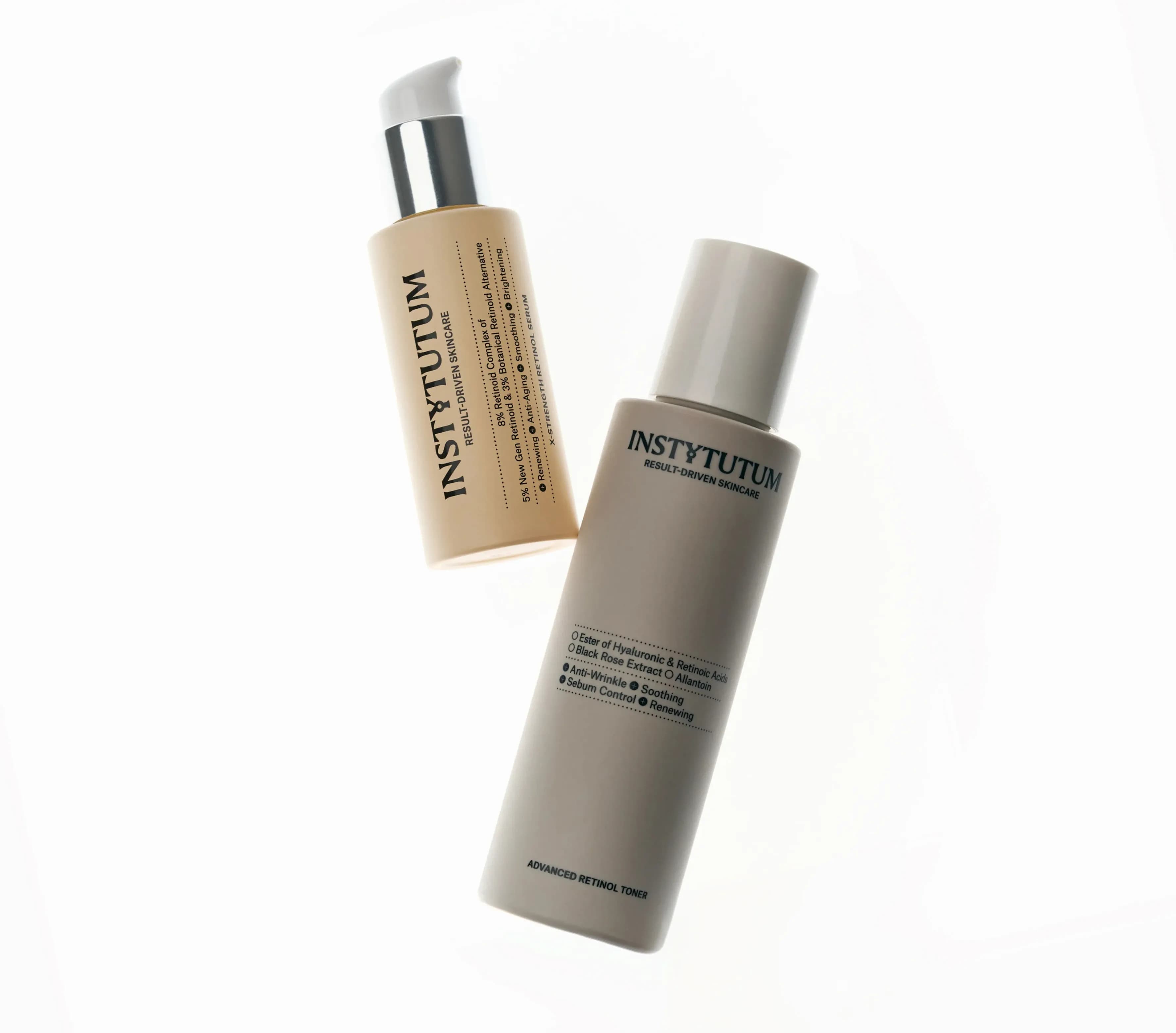
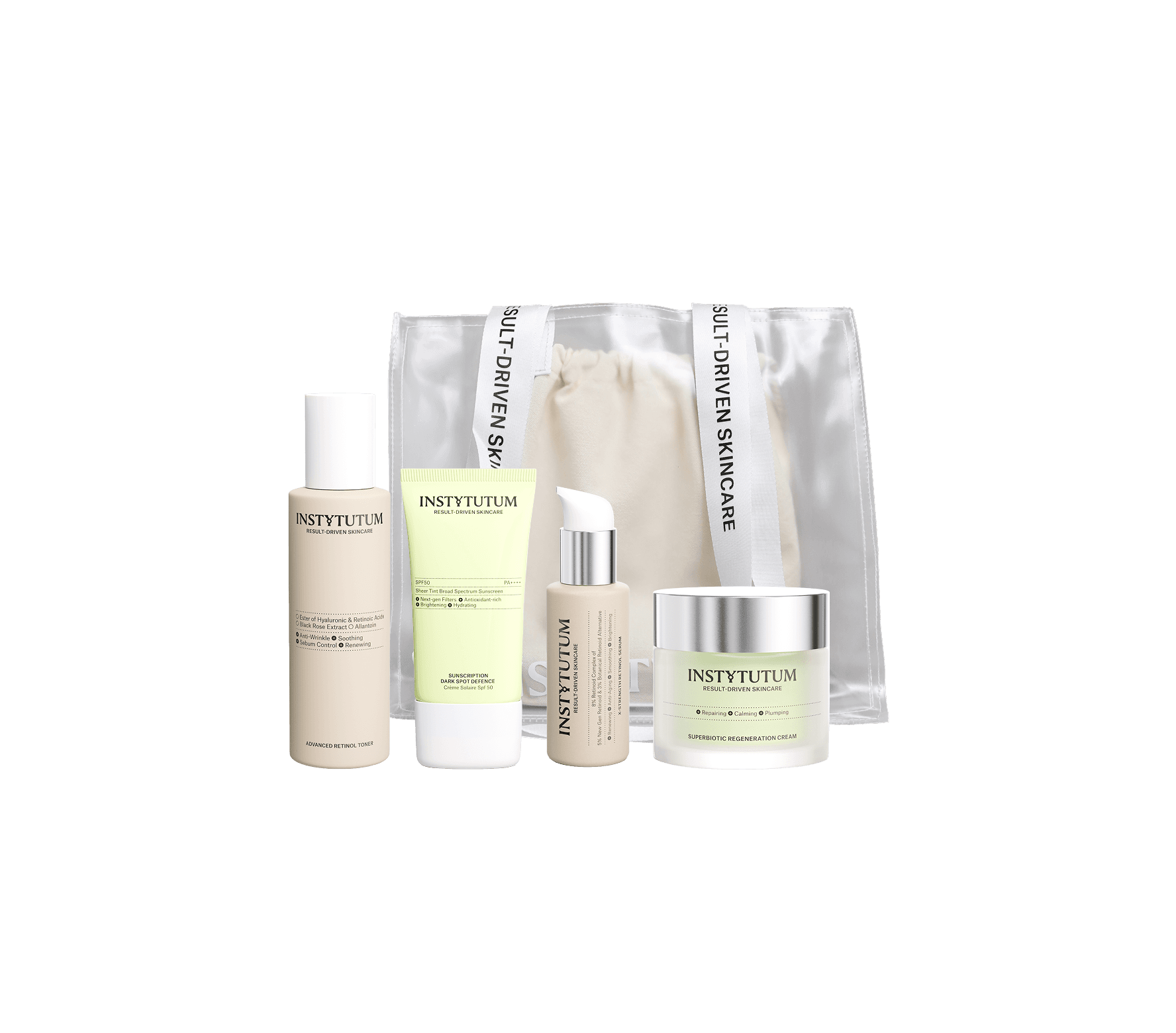
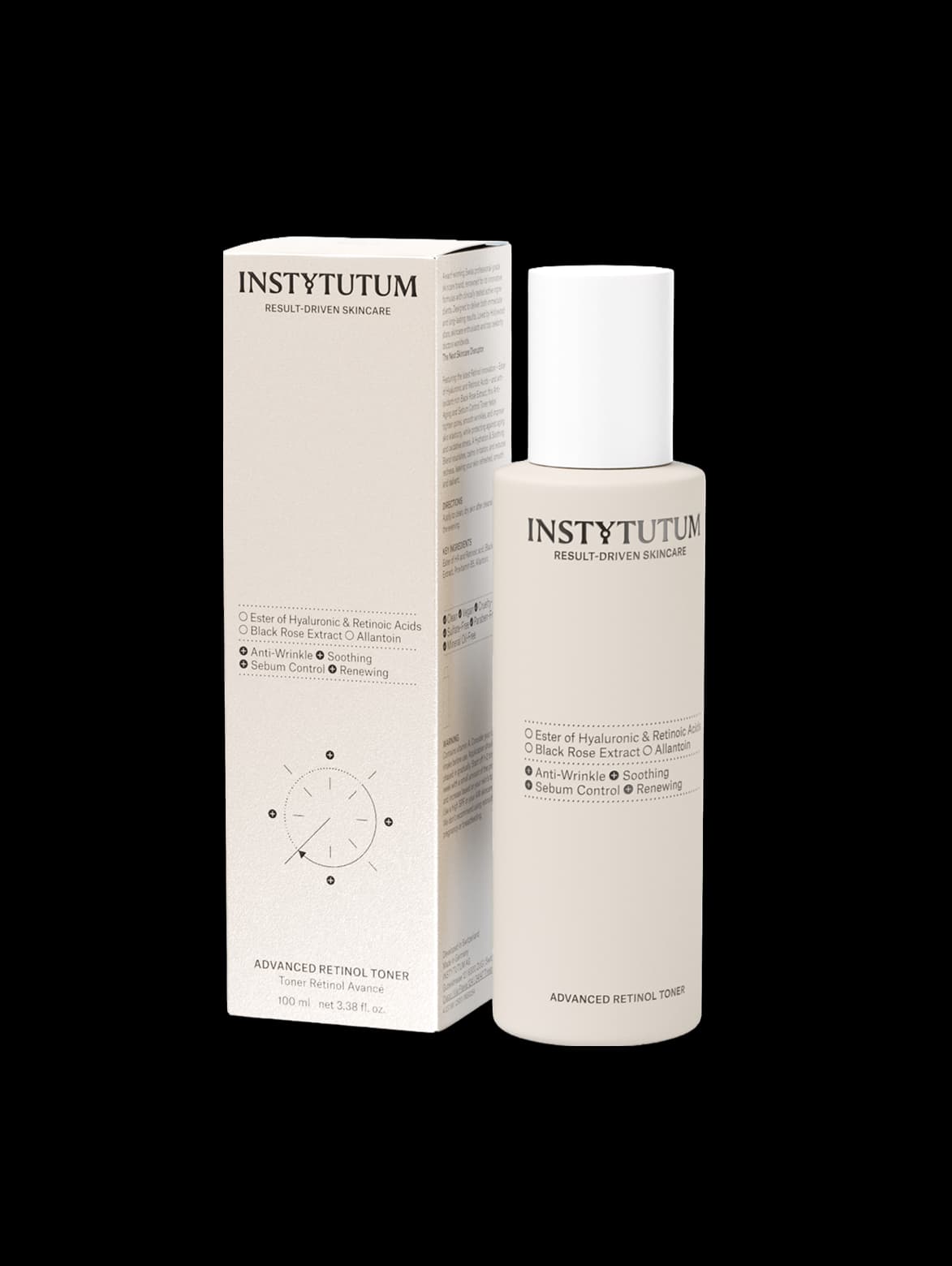
Advanced Retinol Toner is an innovative, next-generation formula combining hyaluronic-retinoic acid ester with an antioxidant-rich black rose extract. This anti-aging, sebum-controlling toner helps minimize pores, smooth wrinkles, and boost skin firmness, while protecting skin against aging and oxidative stress.
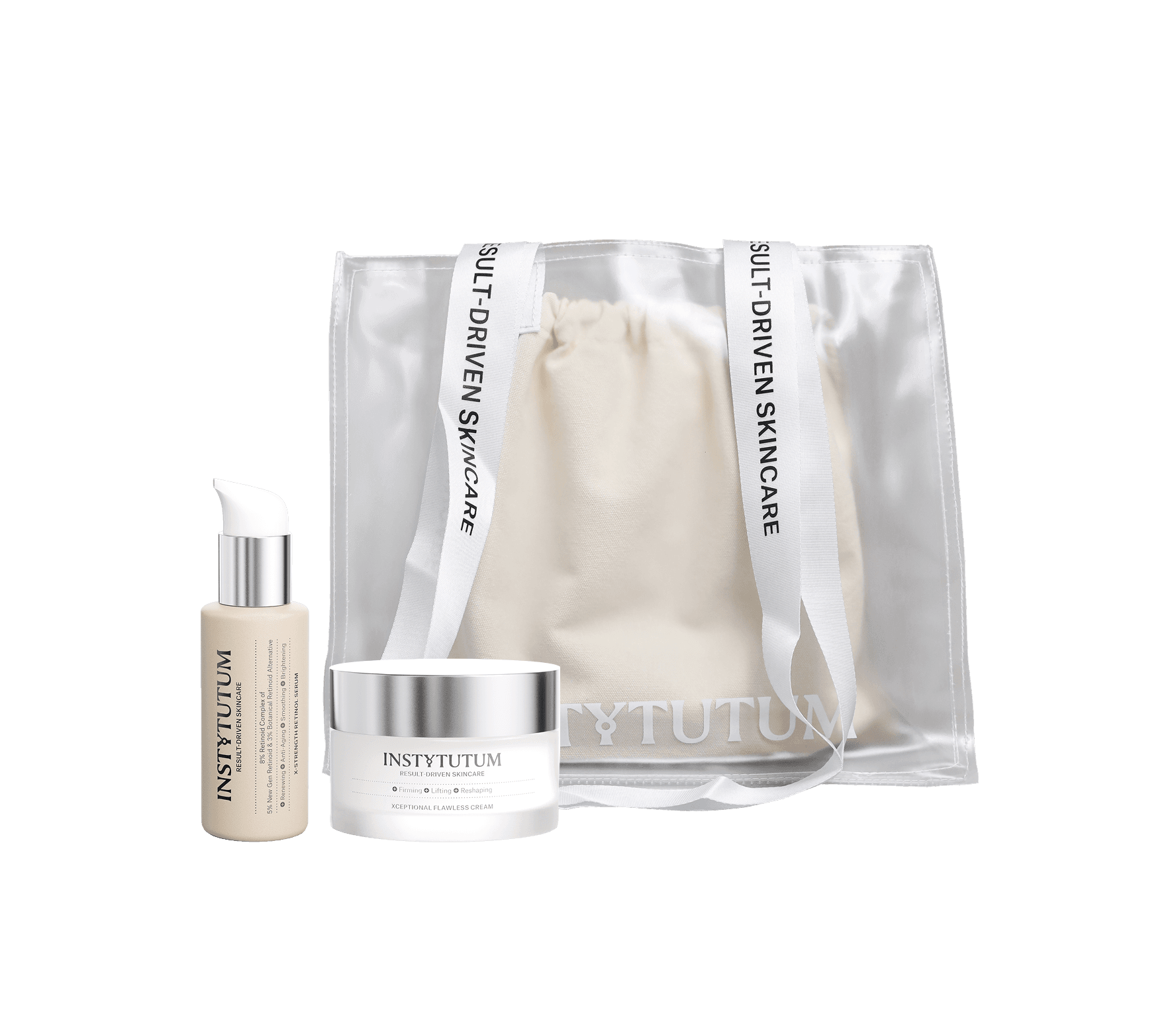
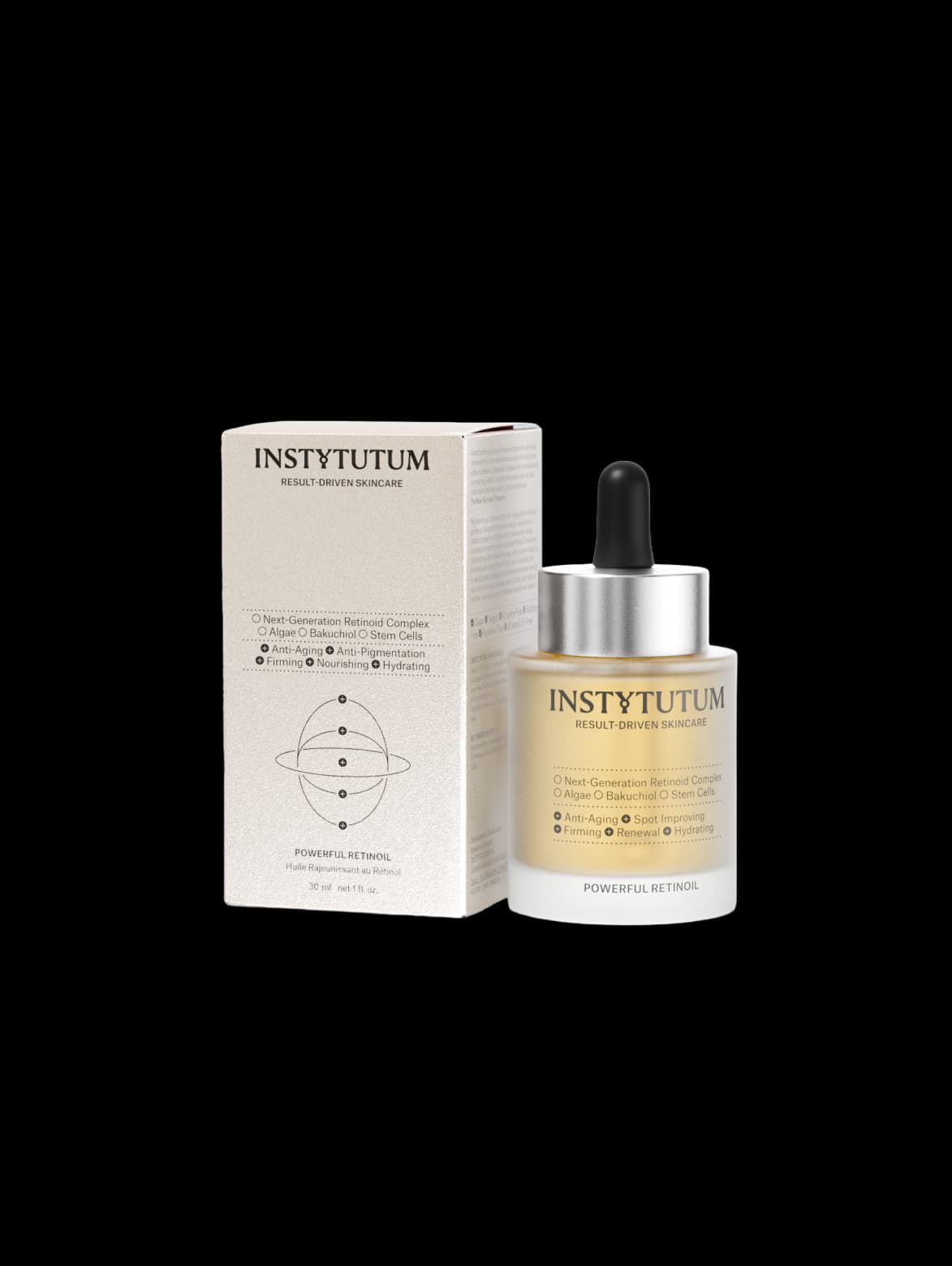
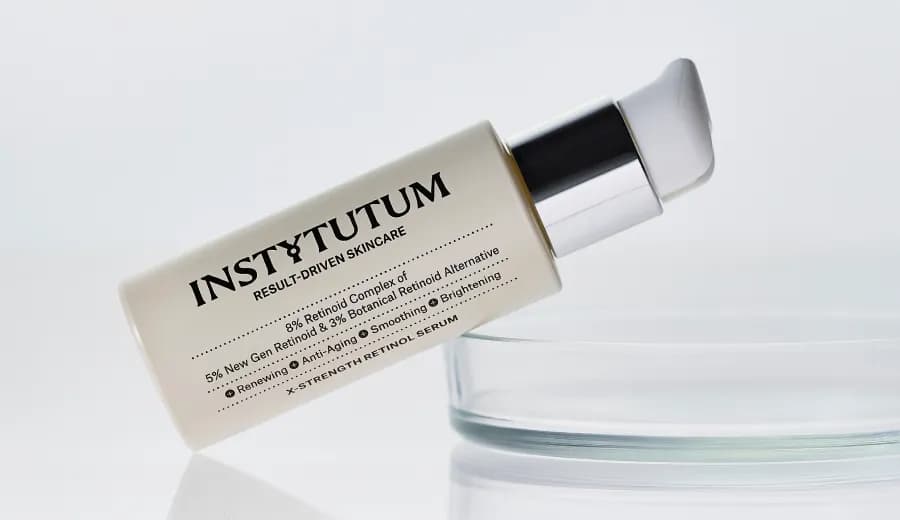
X-strength Retinol Serum and Powerful RetinOil are key regenerative products within Longevity Skincare, designed to reprogram cellular aging processes at the gene level. The Granactive Retinoid (Hydroxypinacolone Retinoate) they contain directly activates the genes responsible for cell division and the formation of new, youthful skin cells. This leads to a clinically meaningful reduction in the skin's biological age. Blue-green algae, as part of the longevity complex, provide additional antioxidant and anti-inflammatory action, reducing the impact of inflammation and oxidative stress — two key internal drivers of aging.
Ultimately, new-generation retinoid formulas function as a strategic anti-aging and longevity module, simultaneously modulating inflammation, regeneration, and dermal structural quality, contributing to a genuine reduction in the skin's biological age.
6. Retinoid application protocol
First rule — check your skin's reaction
Always test how your skin reacts to a new product. With modern formulas such as Granactive Retinoid, a single-application patch test is enough to check for irritation. If your skin shows no negative reaction, you can move on to daily use. The recommended amount is 1–2 drops for the entire face.
Second rule — where it fits in your routine
Retinoid products should be introduced into your evening rather than morning routine, since these actives can increase skin's sensitivity to UV radiation. Applying them at night allows their restorative action to work at its fullest, while sunscreen is essential every morning. [2]
Third rule — expect possible initial purging
Using legacy retinoids such as retinol, tretinoin, or adapalene often triggers what's known as “initial breakout” or “purging,” where skin condition — acne in particular — may temporarily worsen.
Retinoids push sebum and dead skin cells to the surface, which can draw out hidden inflammation. This process often looks like irritation or worsening acne, with new breakouts appearing within the first 2–6 weeks. If the flare-up lasts longer than 8 weeks, consult a dermatologist. Not everyone experiences worsening acne with retinoid use — if skin isn't comedone-prone, or a low retinol concentration (0.1%) is used, purging may be minimal.
Studies show that retinoids reduce acne by 30–50% over 12 weeks. [3]
Fourth rule — proper skin preparation
Retinoids should be applied to dry skin to reduce irritation, control penetration, and protect the skin barrier. Damp skin allows deeper penetration, which can be too aggressive, especially for beginners or sensitive skin. Dry skin allows retinoids to act more slowly, reducing the risk of irritation. Wait 10–15 minutes after cleansing to let skin fully dry. Also, avoid applying retinoids to damaged skin or open wounds — retinoids can penetrate more deeply through a compromised barrier, causing significant irritation or burning. Wait until skin has healed and the barrier has strengthened.
7. Myths about retinoids
Despite their popularity, many myths still surround retinoids.
Retinoids should only be introduced after age 30. Myth.
Age 30 was once considered the gold standard. But observations show that starting at the first signs of aging produces the best results. Correctly chosen products and concentrations never “deplete,” “thin,” or “sensitize” the skin.
Retinoids can't be used around the eyes. Also a myth.
Wrinkles typically appear first in the lower eye area, which is exactly where the collagen-stimulating action of retinoids offers the greatest benefit. Safe formulas exist for sensitive under-eye skin. However, direct contact with the eyes and mucous membranes should be avoided — retinoid products should not be applied to the mobile eyelid.
Retinoids aren't suitable for sensitive skin. Myth.
With gradual introduction, they can be. It's best to start with once or twice a week.
Retinoids thin the skin. Another myth.
Retinoids stimulate collagen production, which actually thickens the skin. This helps combat premature aging. [4]
Retinoids exfoliate the skin. Myth.
No — retinol doesn't exfoliate the skin the way acids do. As vitamin A derivatives, retinoids stimulate skin renewal through cell division. [5]
If your skin isn't flaking, retinol isn't working. Also a myth.
Flaking isn't a required sign of efficacy. Many people have resilient or well-hydrated skin, and cellular renewal can occur without visible side effects.
Retinoids burn the skin. Myth.
With correct use — a gentle start, new-generation retinoids, adequate hydration — there will be no irritation at all.
Results from retinoids are visible within a week
Lasting results appear after 8–12 weeks, sometimes longer.
If you use retinoids, the rest of your routine doesn't matter. No.
Retinoids are only part of a routine. Good skincare includes cleansing, hydration, SPF protection, and barrier support. Without these, a retinoid won't deliver its full effect and may cause irritation.
Conclusions
Retinoids remain the gold standard for anti-aging and sebum-regulating skincare: they simultaneously stimulate collagen, even out pigmentation, and control acne.
The generation of a retinoid determines its usage protocol: legacy forms (retinol, tretinoin, adapalene) require gradual introduction and are capped at 1% concentration, while new-generation Granactive Retinoid works at concentrations up to 5% without the typical irritation.
In Longevity Skincare, retinoids act as a regenerative module — rather than simply “rejuvenating” the skin superficially, they reprogram cellular aging processes, reducing the skin's biological age.
Retinoid efficacy depends directly on proper barrier preparation, correct application sequencing, and thoughtful combination with other actives in a routine.
Most fears surrounding retinoids (tolerance/dependency, skin thinning, unsuitability for sensitive skin or the eye area) have no scientific basis and stem from improper use rather than the molecules themselves.
FAQ
How is Granactive Retinoid different from regular retinol?
Granactive Retinoid (HPR) binds directly to nuclear receptors without prior enzymatic conversion, making it more effective, usable at higher concentrations (up to 5%), and free from the dryness, redness, or flaking typically associated with retinol.
Is it better to apply retinoids in the morning or evening?
Retinoids are best introduced into an evening routine, since they increase skin's sensitivity to UV light. Sunscreen is essential every morning after retinoid use.
Can retinoids be combined with acids and vitamin C?
Legacy retinoids should not be combined with acids, benzoyl peroxide, scrubs, or alcohol-based products in the same routine. New-generation Granactive Retinoid, by contrast, pairs well with acids and vitamin C, though they're best used separately: vitamin C in the morning, retinol in the evening.
How long does it take to see results from retinoids?
Positive results typically appear after 8–12 weeks of regular use, with a 30–50% reduction in acne recorded within 12 weeks. Individual results may vary.
Can retinoids be used on sensitive skin and around the eyes?
Yes — with gradual introduction and a suitable, safe formula, retinoids work for both sensitive skin and the delicate eye area. It's important to avoid direct contact with the eyes and the mobile eyelid, and not to apply retinoids to steamed or damp skin.
Sources:
1. https://pmc.ncbi.nlm.nih.gov/articles/PMC6791161/
2. https://onlinelibrary.wiley.com/doi/10.1155/2024/5551774
3. https://link.springer.com/article/10.1007/s13555-017-0185-2