Key Takeaways
Skin aging is a multifactorial process, so a strategy based on a single mechanism cannot address all of its components.
The action of Longevity Skincare can be viewed across three interrelated levels: cellular, tissue, and surface.
The presence of a particular ingredient in the INCI list does not in itself guarantee a clinical effect. What matters is its concentration, chemical form, pH, photostability, packaging, uniformity of distribution, delivery system, and tolerability of the base formulation.
Targeted stimulation without simultaneous barrier support may be accompanied by increased skin reactivity, whereas combining active and restorative action helps maintain a functional balance between renewal and protection.
In This Article
Why a Single Mechanism Is Not Enough
Three Levels of Skin Aging: Cellular, Tissue, and Surface
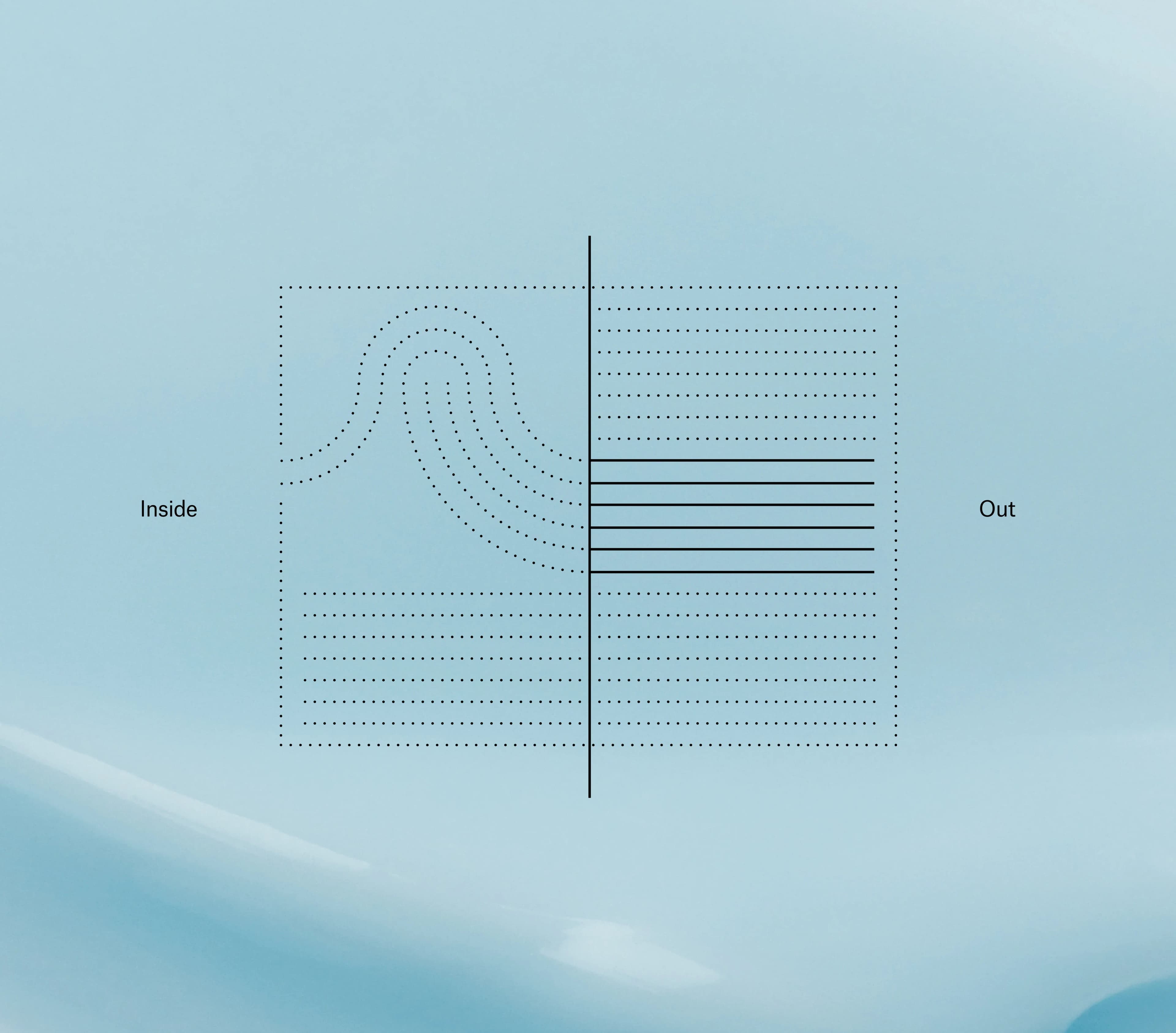
INSTYTUTUM Inside & Out: Three Levels in One System
Beauty Inside & Out: External Care and Internal Factors
Synergy: Active Action, Barrier, and Restoration
Conclusions
FAQ
1. Why a Single Mechanism Is Not Enough
Skin aging is a multifactorial process, so a strategy based on a single mechanism — for example, stimulating collagen synthesis or providing antioxidant protection — cannot address all its components. Conceptually, the action of longevity skincare can be viewed across three interrelated levels: cellular, tissue, and surface. It is their combination that forms the foundation for the long-term maintenance of the skin’s functional state [1].
2. Three Levels of Impact on the Skin
Cellular Level
At the cellular level, energy metabolism, mitochondrial function, the response to oxidative stress, and the ability of cells to adapt to damage are of key importance. With age, damage accumulates in cells and mitochondrial function changes. These processes are associated with oxidative stress, cellular senescence, and chronic inflammation [2]. Therefore, at this level it is more appropriate to speak not of “rejuvenating the cell” but of supporting its physiological resilience and its ability to perform normal functions.
Tissue Level
At the tissue level, the key factors are epidermal renewal, the condition of the dermal matrix, collagen and elastin, hydration, and the mechanical properties of the skin. Age is directly linked to changes in skin biomechanics. Studies using the Cutometer demonstrate age-related changes in elasticity parameters that correlate with the skin’s biological age [3]. This underscores the importance of supporting tissue structures as part of a long-term strategy for preserving skin health.
Surface Level
The surface level includes barrier function, the lipid barrier, pH, hydration levels, and the skin’s interaction with the environment. With age, the pH of the skin surface may rise, which is associated with impaired barrier function. Experimental data also show that maintaining a physiological pH can contribute to better organization of lipid structures and more effective barrier function. For this reason, barrier support should not be regarded as a secondary step in skincare. It is the foundation of the skin’s resilience to external factors and, at the same time, determines the tolerability of active ingredients [4, 5]. The surface level also encompasses microbiome support. Recent evidence highlights that the skin microbiome is a critical yet underappreciated modulator of age-related changes [6].
Therefore, aging should not be viewed as a separate, isolated process. Correcting an individual's concern (pigmentation, wrinkles) does not address the systemic processes that underlie age-related changes. The “iceberg” model of skin aging illustrates this interrelationship: clinical signs (visible aging) are driven by deeper, invisible mechanisms operating from the molecular to the tissue level (Fig. 1). In essence, aging is regulated by twelve interrelated biological processes known as the twelve hallmarks of aging, which arise primarily at the molecular and cellular levels before manifesting structurally in the skin [7].
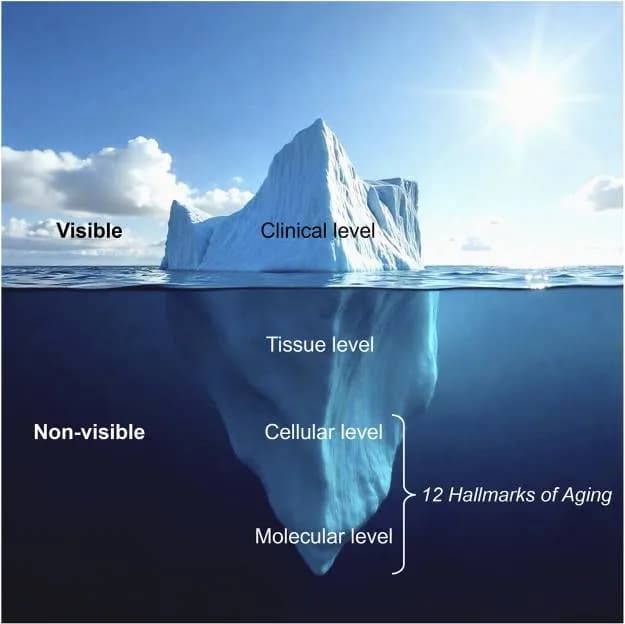
Figure 1. Iceberg model of skin aging. Visible signs of aging reflect only the surface level, whereas deeper, invisible biological processes at the tissue, cellular, and molecular levels lead to deterioration of the skin’s condition. The twelve hallmarks of aging primarily affect the cellular and molecular levels, underlying the fundamental mechanisms of skin aging [7].
3. INSTYTUTUM Inside & Out: Three Levels in One System
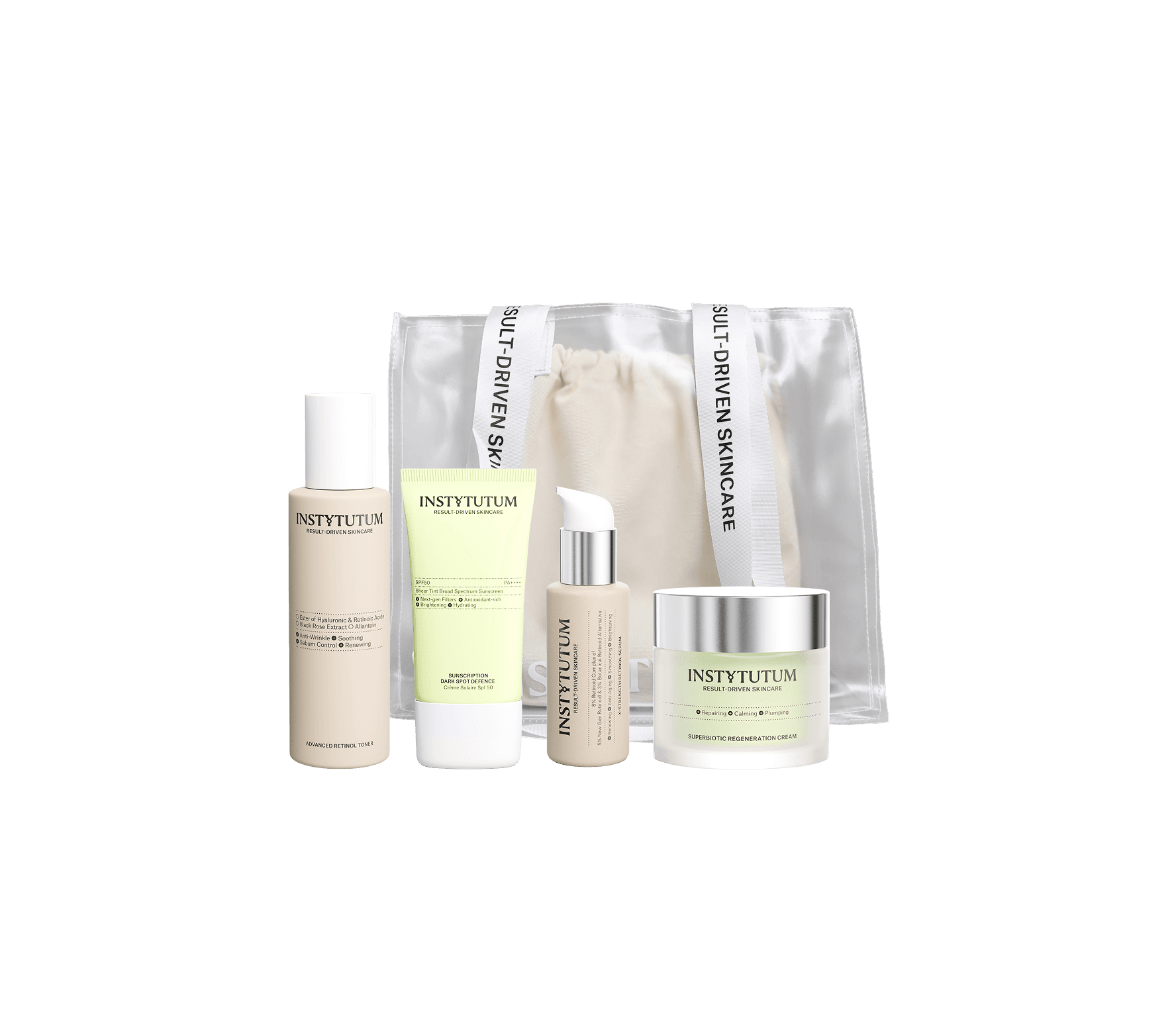
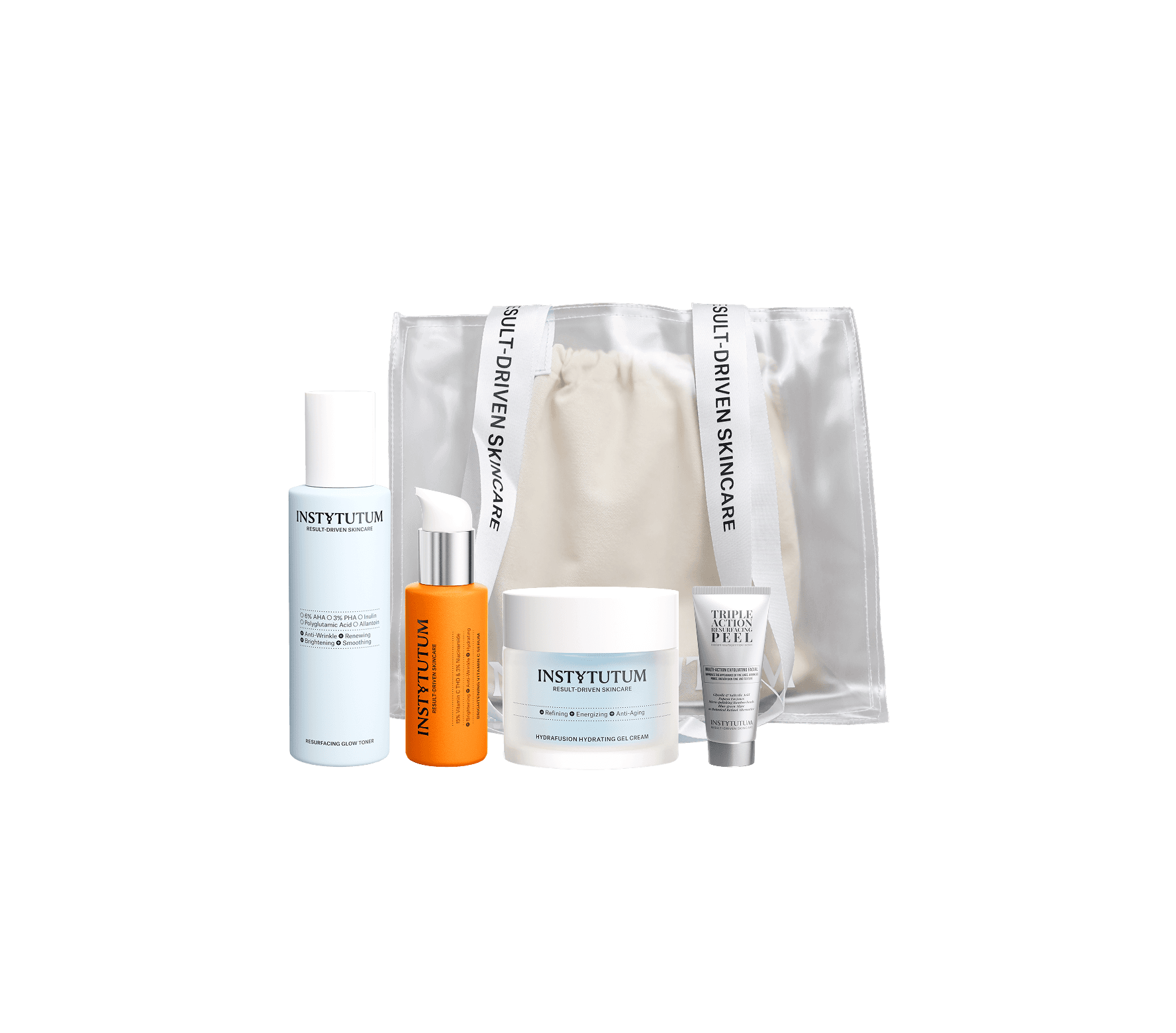
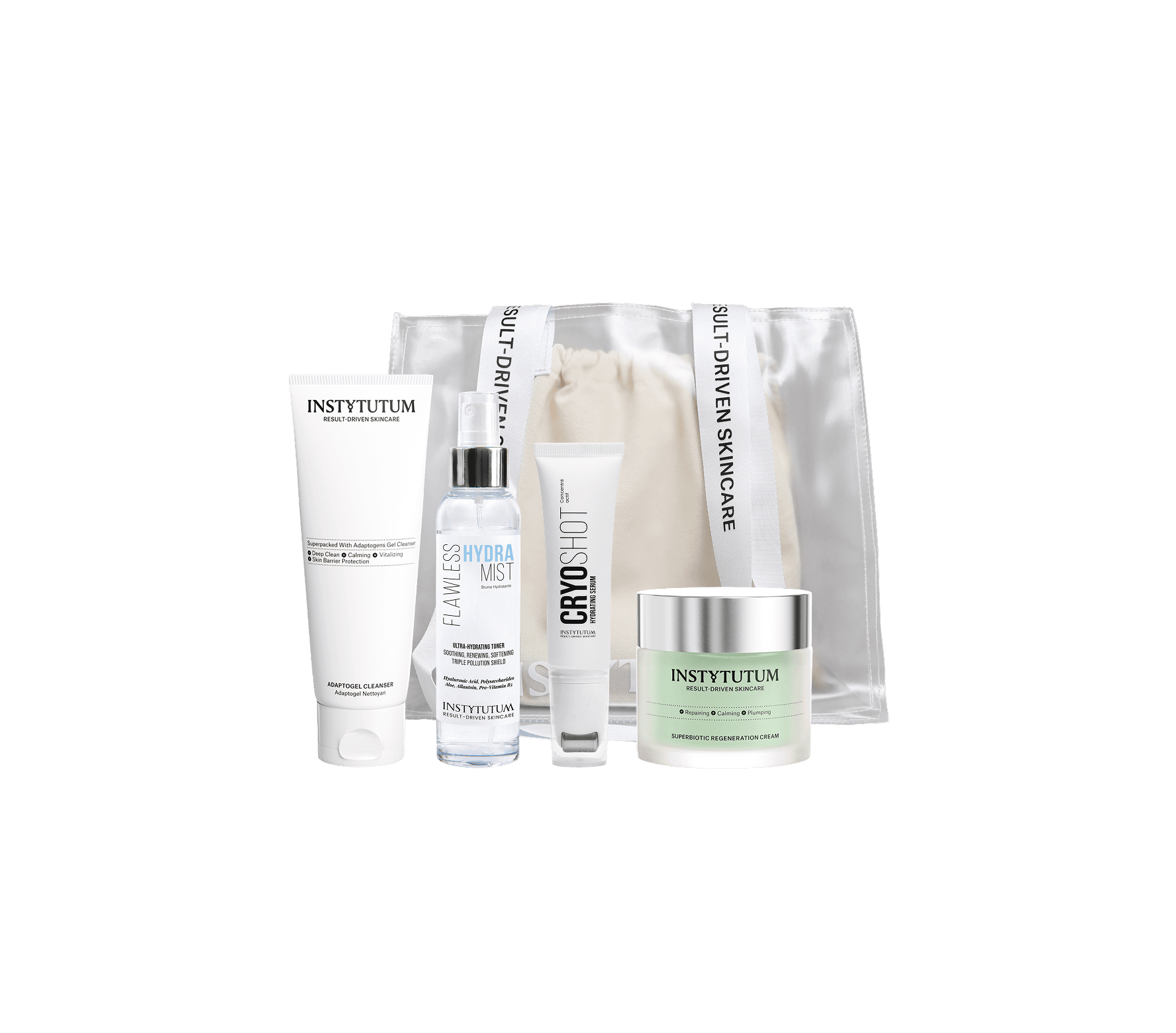
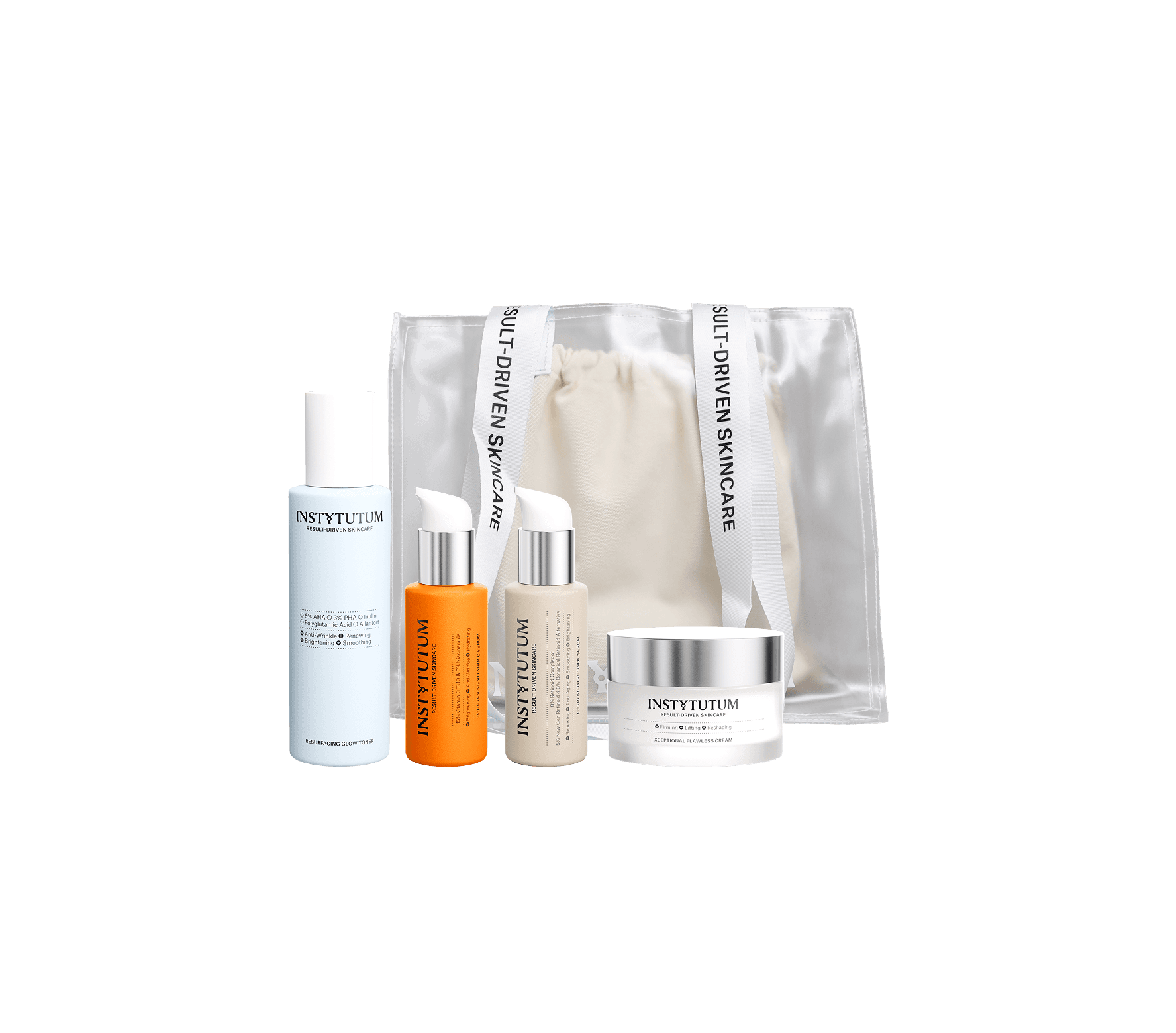
In the INSTYTUTUM Inside & Out concept, these levels are brought together into a single system. This approach implies that effective skincare should not be merely a collection of individual actives. Product formulas are designed to work effectively across all levels of age-related skin change. The three levels of action logically complement one another. It is here that the principle “the formula matters more than the list of actives” becomes especially important. The presence of a particular ingredient in the INCI list does not guarantee a clinical effect. What matters is its concentration, chemical form, pH, photostability, packaging, uniformity of distribution, delivery system, and tolerability of the base formulation. Therefore, the Beauty Inside & Out principle is best understood as translating data on the mechanisms, factors, and principles of Longevity Skincare into complete, stable, and balanced formulas.
Level | What the Inside & Out System Delivers |
Cellular | Cosmetic care reduces local oxidative load and supports an optimal environment for proteins, enzymes, and antioxidants to function, maintaining the conditions required for normal cellular function and repair. |
Tissue | Support for orderly epidermal renewal, reduced water loss, and protection of the extracellular matrix. The formulas support collagen and elastin synthesis and improve the skin’s functional, elastic, and protective properties. |
Surface | Gentle cleansing, support of the lipid barrier and microbiome, and daily photoprotection. |
4. Beauty Inside & Out: External Care and Internal Factors
In a broader context, the Beauty Inside & Out concept combines external skincare with an understanding of internal factors related to age, metabolism, nutrition, and the overall condition of the body. This is an important strategy, because supporting skin function from the outside can be complemented by attention to internal factors that may influence its condition. The skin acts as a natural barrier between the internal and external environments and thus plays an important role in vital biological functions, such as protection against mechanical and chemical damage, microorganisms, and ultraviolet radiation. Nutritional status has a decisive influence on strengthening the skin’s ability to withstand these numerous aggressors. Nutrient deficiencies are often associated with impaired skin health. More recently, the concept of nutritional supplementation has emerged as a new strategy in the daily practice of aesthetic medicine, as well as a complementary approach to topical care [8].
5. Synergy: Active Action, Barrier, and Restoration
In the context of long-term skin health, the INSTYTUTUM Beauty Inside & Out concept offers a comprehensive approach in which external care is regarded not as a set of individual active ingredients but as a system that acts simultaneously on different functional levels of the skin. INSTYTUTUM formulas are designed to combine targeted active action on the deeper skin structures with intensive restoration of its surface and barrier functions. Therefore, every product contains not only active ingredients aimed at specific age-related or functional changes, but also a balanced complex of care ingredients that support skin tolerance, help reduce the risk of dryness, irritation, and heightened sensitivity, and promote the soothing and restoration of the protective barrier. This principle is especially important in regimens that include intensive actives. Targeted stimulation without simultaneous barrier support may be accompanied by increased skin reactivity, whereas combining active and restorative action helps maintain a functional balance between renewal and protection. At the surface level, this includes supporting the lipid barrier, hydration, and microbiome balance, as well as reducing transepidermal water loss (TEWL).
Conclusions
Thus, INSTYTUTUM Beauty Inside & Out unites three interrelated principles: active correction, barrier function support, and skin restoration. This model aligns with the current understanding of skin longevity, in which the outcome is assessed not only by the reduction of visible signs of aging but also by the preservation of the skin’s functional capacity to maintain homeostasis, adapt to external influences, and recover from them. The skin barrier provides protection against mechanical and chemical damage, microorganisms, and ultraviolet radiation, while regulating water balance and the skin’s interaction with the environment. Therefore, maintaining barrier integrity is not an auxiliary component of cosmetic care but a fundamental condition for the long-term preservation of the skin’s functional state and its ability to withstand age-related and external stressors, which lies at the heart of the INSTYTUTUM Beauty Inside & Out concept.
FAQ
What is the Inside & Out concept?
In the INSTYTUTUM Inside & Out concept, the cellular, tissue, and surface levels are brought together into a single system. Effective skincare should not be merely a collection of individual actives, and product formulas are designed to address all levels of skin aging.
Why is a single hero ingredient not enough?
Skin aging is a multifactorial process, so a strategy based on a single ingredient cannot address all its components. Moreover, the presence of an ingredient in the INCI list does not in itself guarantee a clinical effect: what matters is its concentration, chemical form, pH, photostability, packaging, uniformity of distribution, delivery system, and tolerability of the base formulation.
Why is barrier support important for active ingredients?
Barrier support is the foundation of the skin’s resilience to external factors and, at the same time, determines the tolerability of active ingredients. Targeted stimulation without simultaneous barrier support may be accompanied by increased skin reactivity.
References
Bay EY, Topal IO. Aging Skin and Anti-aging Strategies. Explor Res Hypothesis Med. 2023;8(3):269-279. doi: 10.14218/ERHM.2022.00030.
Xu X, Pang Y, Fan X. Mitochondria in oxidative stress, inflammation and aging: from mechanisms to therapeutic advances. Signal Transduct Target Ther. 2025 Jun 11;10(1):190. doi: 10.1038/s41392-025-02253-4. PMID: 40500258; PMCID: PMC12159213.
Lu WH, Guyonnet S, Raffin J, Bessou-Touya S, Helffer KR, Bianchi P, Digabel JL, Bensadoun P, Lemaitre JM, Barreto PS, Vellas B; IHU HealthAge INSPIRE/Open Science study group. Associations of Skin Biomechanical Properties With Biological Aging Clocks and Longitudinal Changes in Intrinsic Capacity in Adults Aged 20-93: The INSPIRE-T Project. Aging Cell. 2025 Oct;24(10):e70190. doi: 10.1111/acel.70190. Epub 2025 Aug 10. PMID: 40785275; PMCID: PMC12507415.
Lukić, Milica, Ivana Pantelić, and Snežana D. Savić. 2021. "Towards Optimal pH of the Skin and Topical Formulations: From the Current State of the Art to Tailored Products" Cosmetics 8, no. 3: 69. https://doi.org/10.3390/cosmetics8030069
Brooks SG, Mahmoud RH, Lin RR, Fluhr JW, Yosipovitch G. The Skin Acid Mantle: An Update on Skin pH. J Invest Dermatol. 2025 Mar;145(3):509-521. doi: 10.1016/j.jid.2024.07.009. Epub 2024 Sep 5. PMID: 39243251.
Challa V, Prajapati SK, Gangani S, Yadav D, Lekkala L, Jain S, Yadav H. Microbiome–Aging–Wrinkles Axis of Skin: Molecular Insights and Microbial Interventions. International Journal of Molecular Sciences. 2025; 26(20):10022. https://doi.org/10.3390/ijms262010022
Klinngam W, Chaiwichien A, Osotprasit S, Ruktanonchai U, Kanlayavattanakul M, Lourith N, Wongrakpanich A, Teeranachaideekul V, Iempridee T. Longevity cosmeceuticals as the next frontier in cosmetic innovation: a scientific framework for substantiating product claims. Front Aging. 2025 May 22;6:1586999. doi: 10.3389/fragi.2025.1586999. PMID: 40475790; PMCID: PMC12137348.
Piccardi N, Manissier P. Nutrition and nutritional supplementation: Impact on skin health and beauty. Dermatoendocrinol. 2009 Sep;1(5):271-4. doi: 10.4161/derm.1.5.9706. PMID: 20808515; PMCID: PMC2836433.