What's Important to Know
Skin pigmentation is a common that can be triggered by various factors. The main causes of skin pigmentation are sun exposure, hormonal changes, inflammatory processes, and certain medications (photosensitizers). Sun exposure is extremely damaging to the skin and is a common cause of pigmentation.
Melanin synthesis is governed by the enzyme tyrosinase, whose activity depends on copper ions — it is precisely by blocking this mechanism that safe brightening ingredients work.
Skin cells rely entirely on external care, meaning the topical application of products containing vitamin C and glycolic acid.
Contents
Why do dark spots appear on the skin in the first place?
What exactly triggers melanin production at the cellular level?
The pigmentation mechanism: from cause to manifestation
Why are vitamin C and glycolic acid often combined in anti-pigmentation protocols?
Data Highlights
Can pigment spots be lightened without daily SPF?
Why is skin particularly vulnerable to pigmentation right after procedures?
FAQ
Conclusions
Sources
1. Why do dark spots appear on the skin in the first place?
Hyperpigmentation is the skin's “natural attempt” to protect itself from the harmful effects of the sun.
Detailed explanation. The main causes of skin pigmentation are sun exposure, hormonal changes, and inflammatory processes. Melanin is a brown pigment produced by melanocytes in two layers of the epidermis; it is present in the skin, hair, and iris of the eye, and normally protects the skin from the harmful effects of ultraviolet radiation [1]. The body produces more melanin specifically to protect itself from rays capable of damaging cells and DNA [2]. In other words, hyperpigmentation is a protective response, not a malfunction.
When there is inflammation in the skin, the body similarly tries to protect the vulnerable area and activates melanin synthesis as a “shield” to deflect the sun's rays. When hormonal changes trigger pigmentation, this happens because skin cells are hormone-dependent and can respond to shifts in hormone levels not only with pigmentation, but also with dryness/oiliness, breakouts, and changes in sensitivity.
2. What exactly triggers melanin production at the cellular level?
Specialized skin cells (melanocytes) synthesize melanin with the help of an enzyme whose activity depends on copper ions. To stop excess discoloration, it is precisely this link that needs to be “blocked.”
Detailed explanation. Melanocytes synthesize granules that produce, store, and transport the pigment melanin. In humans, tyrosinase (TYR) is the key enzyme involved in melanin formation [3]. In other words, effective treatment of hyperpigmentation requires “blocking” the enzyme that triggers melanin synthesis, together with copper ions.
3. The Pigmentation Mechanism: From Cause to Manifestation
Mechanism | What happens to the skin | How it manifests |
UV radiation activates melanocytes | The body increases melanin synthesis to protect cells and DNA from damage [1][2] | Darkening of areas, uneven tone, "sun" spots |
Tyrosinase + copper ions trigger the synthesis cascade | The enzyme converts pigment precursors into melanin with the help of copper [3] | Local accumulation of pigment in areas of hyperpigmentation |
Inflammatory process in the skin | Melanocytes are activated to "protect" the vulnerable area | Post-inflammatory hyperpigmentation (spots after breakouts or irritation) |
Hormonal fluctuations | Hormone-dependent skin cells respond with pigmentation, as well as dryness, oiliness, or breakouts | Uneven spots that may intensify cyclically |
Photosensitization (medications, cosmetic ingredients, fragrances) | Skin becomes hypersensitive to UV radiation even with brief sun exposure | Redness, inflammation, darkening precisely at points of contact with the substance |
4. Why Are Vitamin C and Glycolic Acid Often Combined in Anti-Pigmentation Protocols?
To enhance the effectiveness of a pigmentation treatment regimen, two components that reduce melanin synthesis can be combined. Vitamin C binds copper ions and inhibits tyrosinase, acting directly on the source of the problem — the enzyme that triggers melanin synthesis. Glycolic acid has a similar effect: it also inhibits tyrosinase activity, but through a combined mechanism — it binds to the enzyme through attraction, causing a pronounced change in its molecule and halting melanin synthesis.
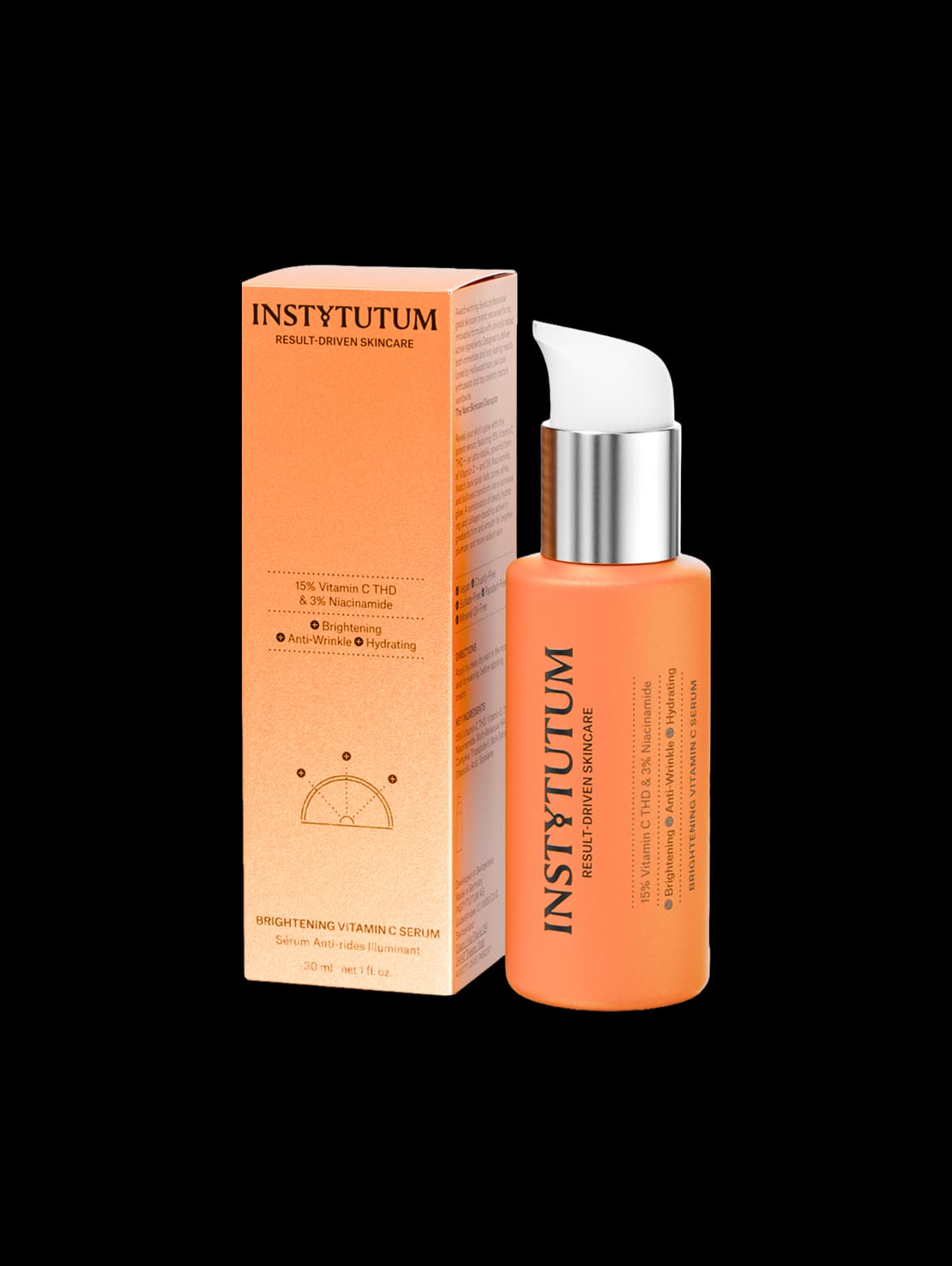
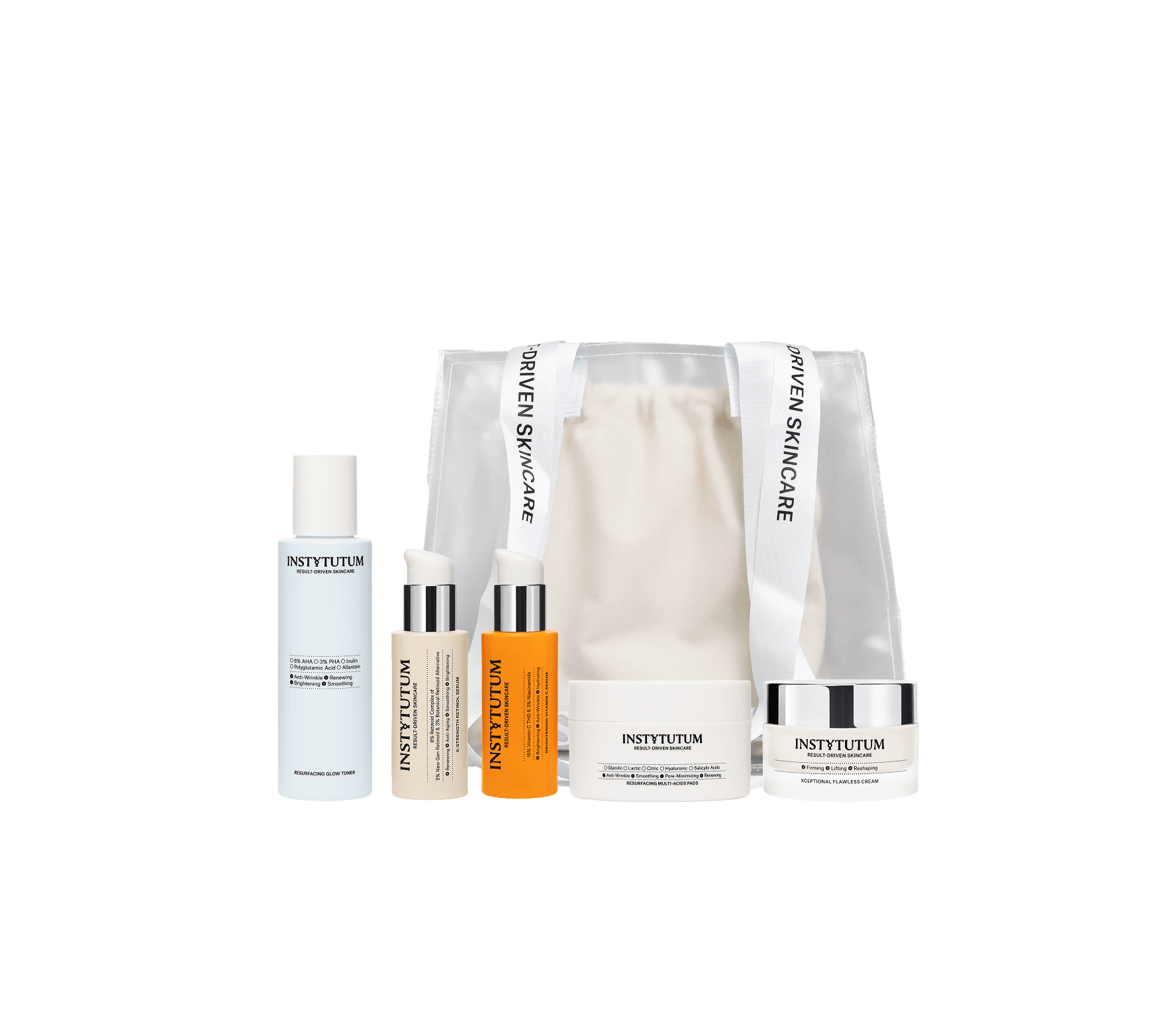
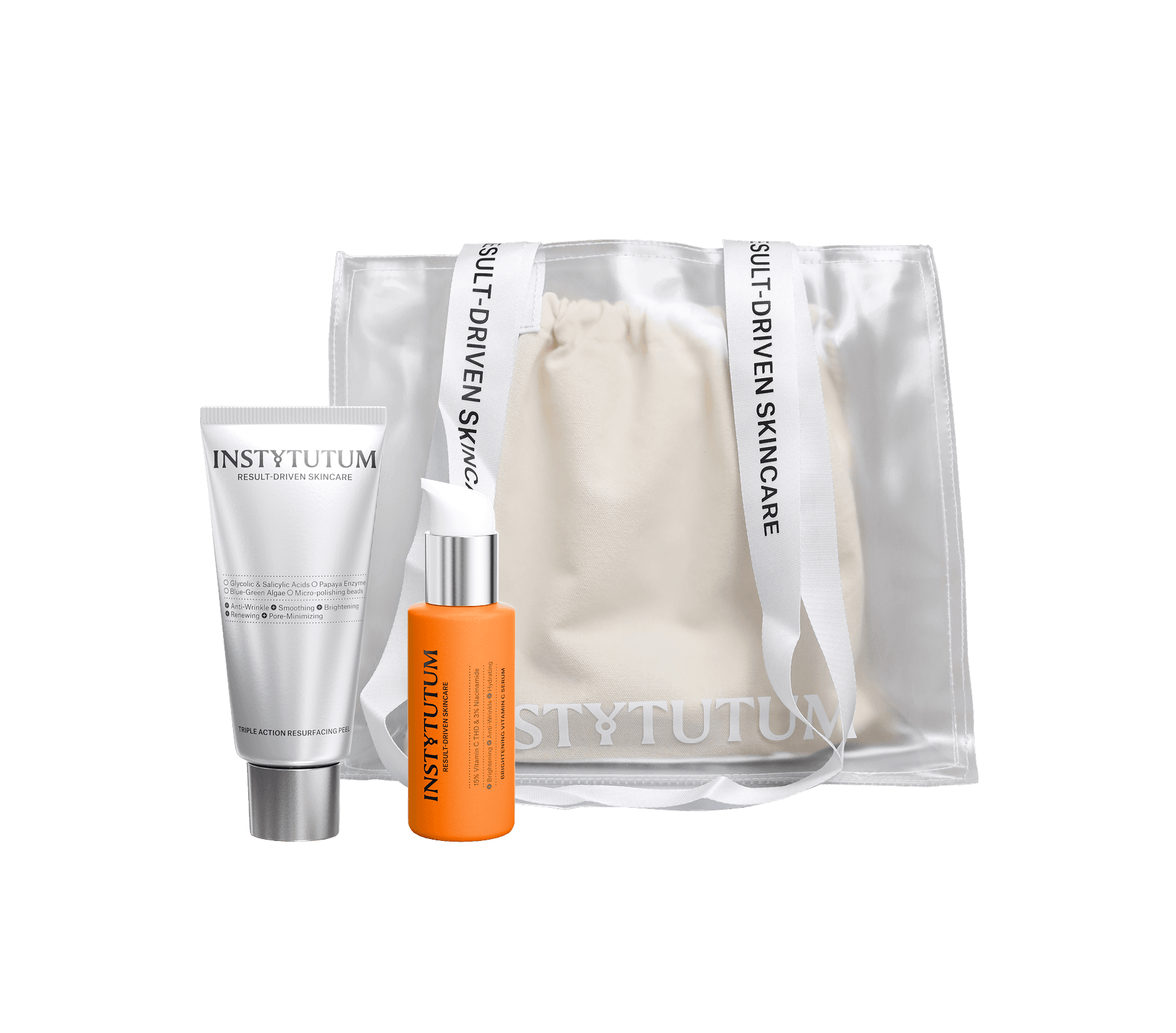
Detailed explanation. Skin cells rely entirely on external care, meaning topical application in the form of toners, serums, and creams [4]. One of the most effective ingredients for addressing pigmentation is tetrahexyldecyl ascorbate (THD). This is a fat-soluble form of vitamin C with good stability and the ability to penetrate the skin. THD delivers vitamin C to cells 50 times more effectively than ascorbic acid and is non-toxic compared to other forms. Clinically, the optimal concentration should always be above 8% and below 20%; higher concentrations cause irritation without increasing efficacy [5]. INSTYTUTUM's Brightening Vitamin C Serum contains 15% THD, which works deeply across three layers of the skin, reducing pigmentation and other signs of aging.
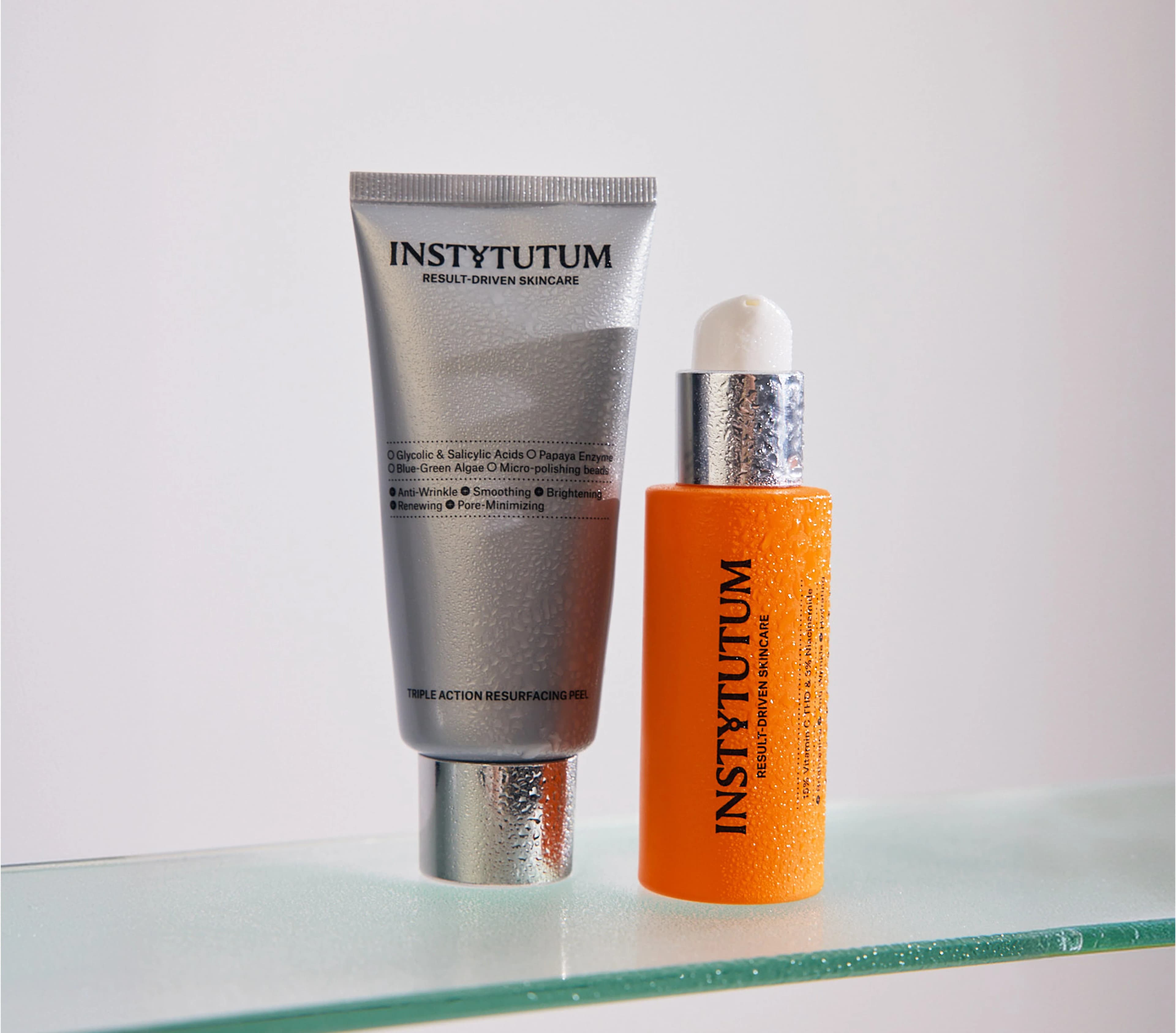
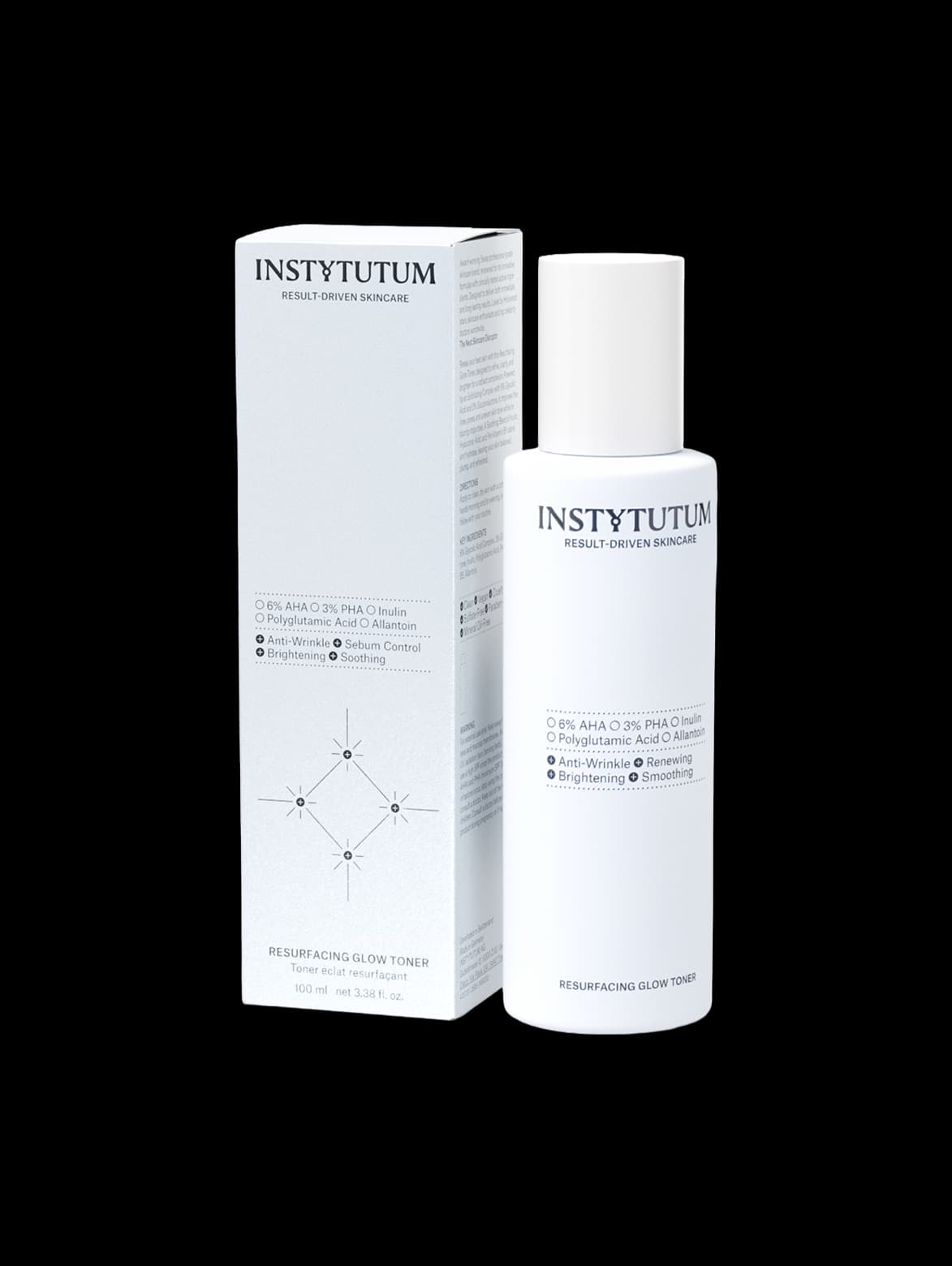
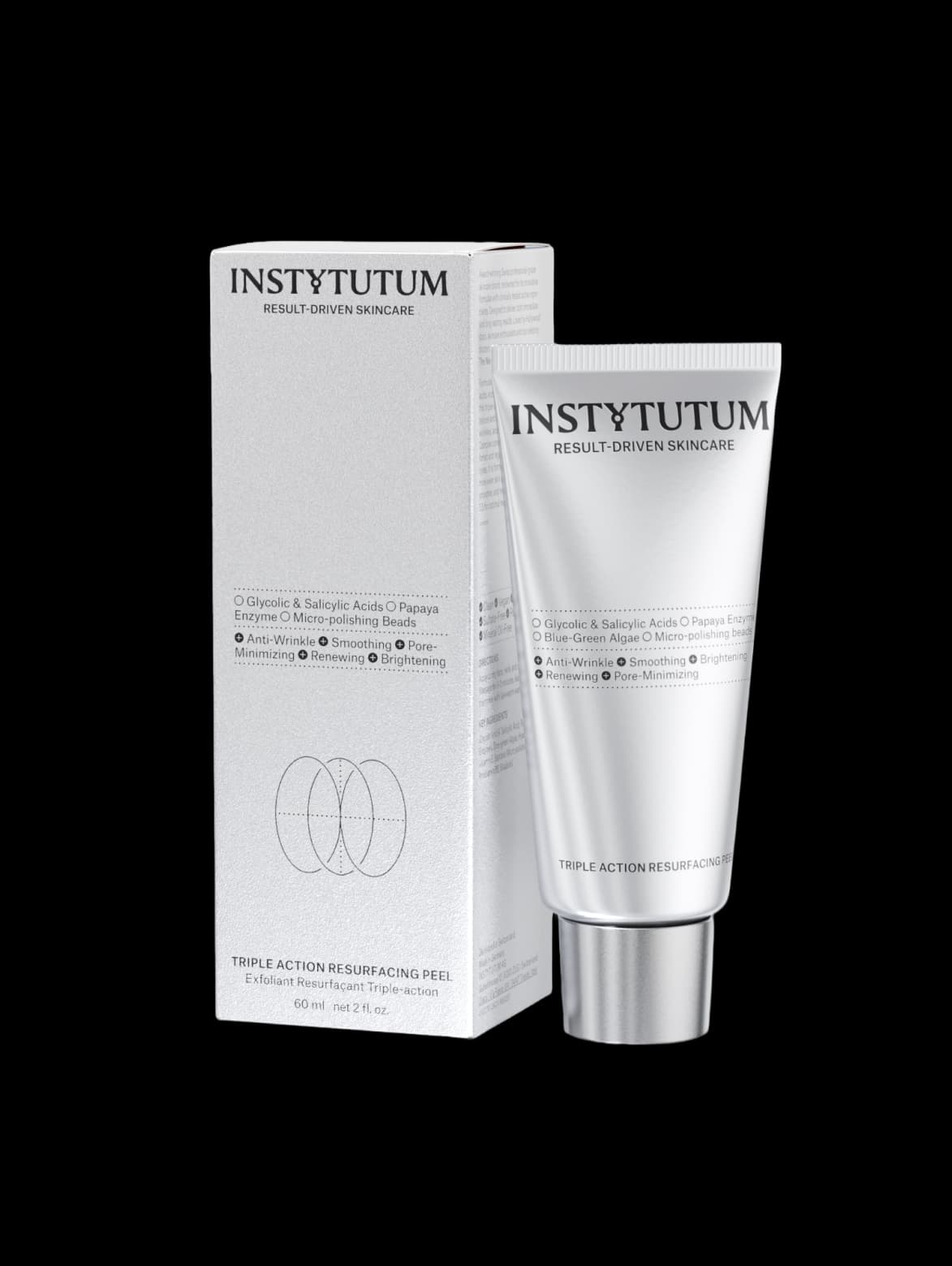
Glycolic acid is one of the key ingredients in skincare for pigmentation. Through its action, it stimulates cell renewal and helps remove keratinized cells carrying excess pigment, gradually evening out skin tone and restoring radiance. In Resurfacing Glow Toner, 6% glycolic acid helps reduce post-inflammatory pigmentation and textural irregularities, while the formula also contains soothing and hydrating ingredients that support the skin's protective barrier. For more intensive renewal, Triple Action Resurfacing Peel combines glycolic and salicylic acids in a 10% complex with mechanical and enzymatic exfoliation. This synergistic approach helps gradually reduce the visibility of pigmentation, with a reduction observed after as little as 4 weeks of regular use.
5. Data Highlights
>98% of UV rays are blocked by a broad-spectrum SPF 50 sunscreen (PA+++).
8–20% — the clinically optimal concentration range for vitamin C in brightening products; higher concentrations only cause irritation without added efficacy.
50 times more effectively THD delivers vitamin C to skin cells compared to classic ascorbic acid.
6. Can Pigment Spots Be Lightened Without Daily SPF?
In short, no. Without sun protection, UV rays continue to trigger new melanin synthesis, so the effect of any brightening product remains temporary.
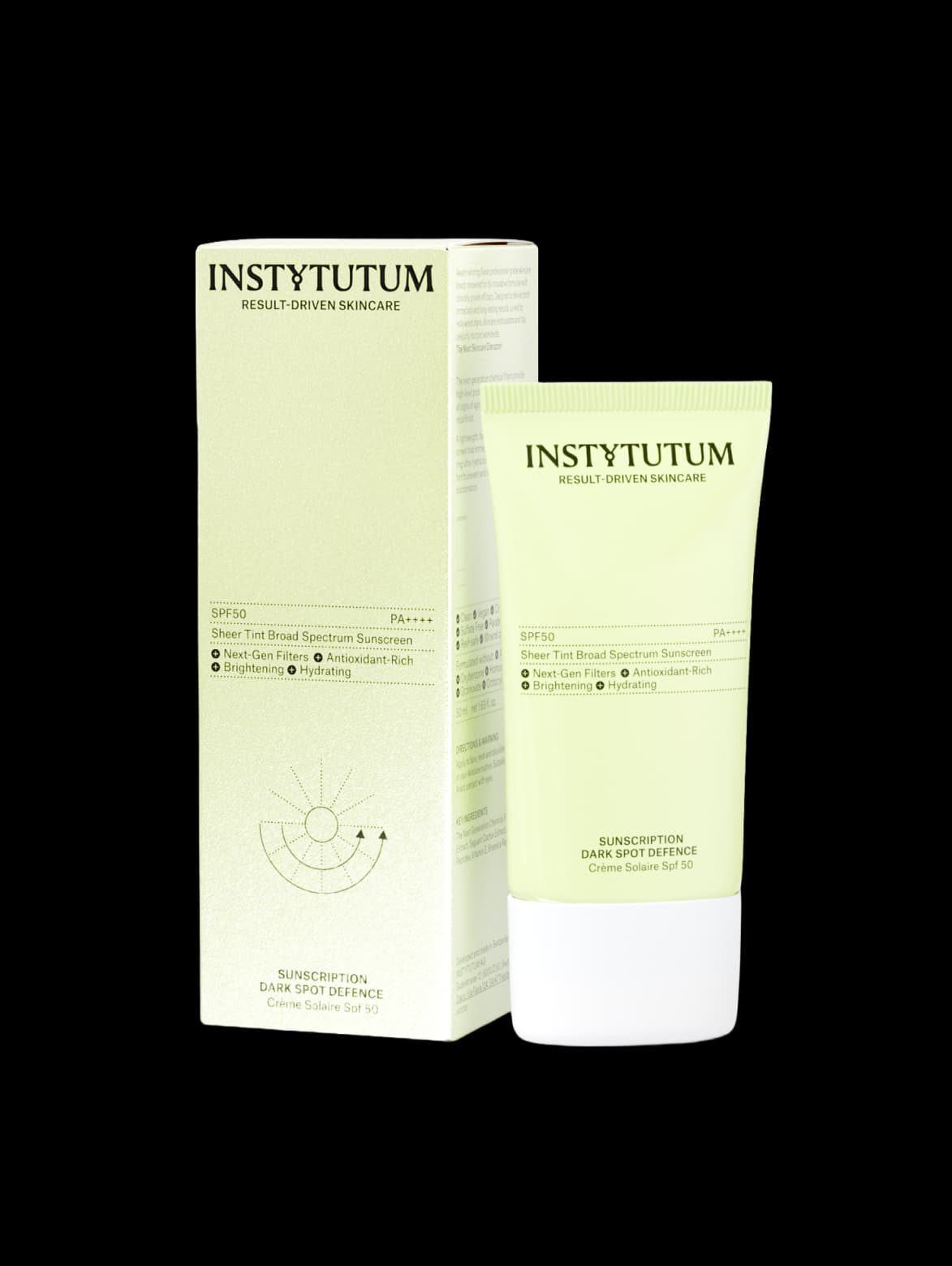
Detailed explanation. Most cases of skin damage and hyperpigmentation are caused by excessive exposure to ultraviolet radiation. UV rays are not only sunlight — they are an invisible type of radiation that also comes from tanning beds and sunlamps. UV rays can be blocked by more than 98% with the help of broad-spectrum SPF 50 sunscreen products (PA+++). Protection from ultraviolet rays is important year-round, not just in summer. Ultraviolet rays can reach the skin's surface even on cloudy and cool days.
7. Why Is Skin Particularly Vulnerable to Pigmentation Right After Procedures?
After surgical interventions, laser resurfacing, chemical peels, or microneedling, the skin barrier is weakened, and UV exposure during healing triggers darkening of the treated areas.
Detailed explanation. Exposure to ultraviolet rays during the healing process can lead to hyperpigmentation, causing scars or treated areas to become darker. Extra sun precaution is needed after:
facial surgeries — rhinoplasty, blepharoplasty, facelift;
body contouring — abdominoplasty, liposuction, breast augmentation or lift (especially where scarring is present);
laser skin procedures — CO2 laser, IPL, laser resurfacing;
chemical peels and microneedling — procedures that renew the skin's upper layers and increase its sensitivity.
Tanning beds should be avoided entirely — they emit concentrated UV radiation capable of damaging the skin, slowing healing, and increasing the risk of melanoma and other skin cancers. Natural outdoor tanning should also be avoided for at least 2 weeks after most cosmetic procedures.
Conclusions
Hyperpigmentation is the skin's protective response to UV exposure, inflammation, or hormonal changes — not an isolated “malfunction” — so it should be addressed at the mechanism level, targeting the tyrosinase enzyme and copper ions.
Vitamin C in a stable, fat-soluble THD form (8–20%, optimally around 15%) works safely on pigmentation without causing irritation.
The synergy of vitamin C and glycolic acid deeply renews the skin, delivering visible pigmentation lightening in as little as 4 weeks (individual results may vary).
Without daily broad-spectrum SPF 50, any protocol will only produce temporary results, since UV continues to trigger new pigmentation.
Skin that has undergone cosmetic procedures requires extra sun precaution.
FAQ
Can vitamin C and glycolic acid be combined in one routine?
Yes — they act on melanin synthesis through different pathways: vitamin C binds copper ions and inhibits tyrosinase, while glycolic acid structurally disrupts the enzyme's active site, so their effects complement each other.
Is SPF necessary in winter or on overcast days?
Yes. UV rays reach the skin's surface even on cloudy and cool days, so protection is needed year-round, not just in summer.
Can you tan after cosmetic procedures?
No — neither in a tanning bed nor naturally. Tanning beds should be avoided entirely, and natural tanning avoided for at least 2 weeks after most procedures, since the skin is especially vulnerable to hyperpigmentation during this period.
Stop the Sun's Impact on Your Skin
If you've already noticed pigment spots on your face and neck, the order in which you address this issue matters. Get a skin diagnostic to assess its condition, and review your current routine to identify effective products for your care. After the analysis, begin a regimen for deep skin renewal.
Learn more about set “Solution for skin with Pigmentation”
Sources
[1] Sanadi R.M. et al., 2025. [2] Thawabteh A.M. et al., 2023. [3] Videira I.F. et al., 2013. [4] Farris P.K. et al., 2009. [5] Yang J-H., Bulletin of the Korean Chemical Society.