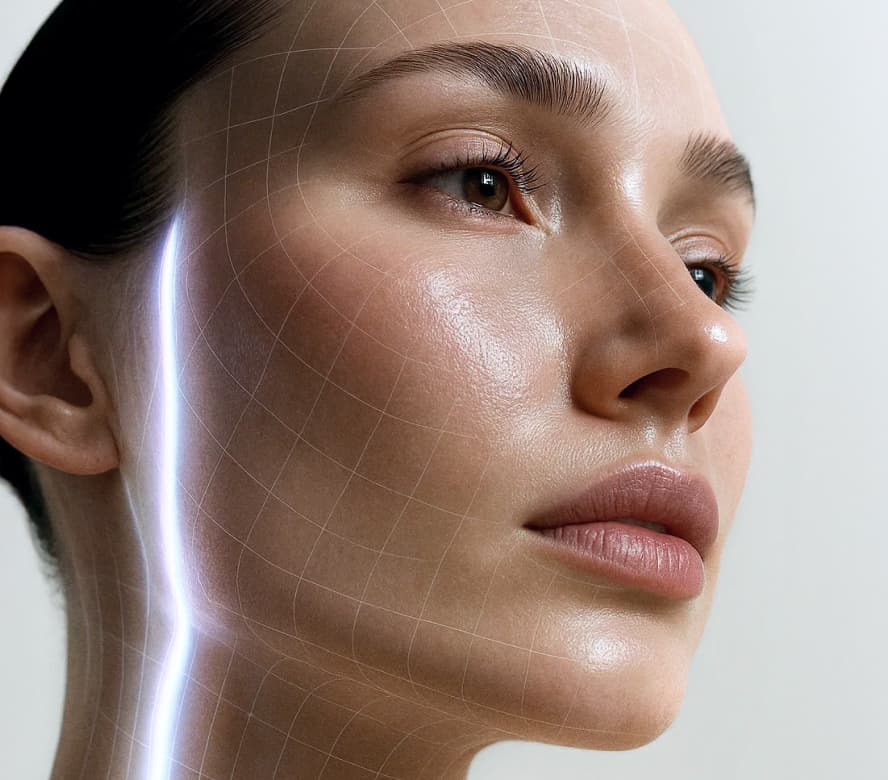
Healthy aging is not defined by appearance alone. It is also reflected in how efficiently the body adapts, produces energy, and recovers. Cold sets these mechanisms in motion within seconds.
As soon as skin temperature drops, blood flow is redirected, the nervous system shifts into a state of heightened alertness, and the muscles and brown adipose tissue begin producing more heat. Energy expenditure increases, attention sharpens, and muscle soreness after intense physical activity can decrease. In controlled human studies, regular exposure to mild cold has activated brown adipose tissue and improved insulin sensitivity,¹ while targeted cooling can temporarily reduce visible puffiness and restore a fresher look to the face.
CONTENTS
Brown fat: the body’s biological heat engine
Five responses cold triggers in the body
Choosing the right type of cold exposure
Cryoshot: skincare that restores a fresh, well-rested look
Safety guidelines
Conclusion
BROWN FAT: THE BODY’S BIOLOGICAL HEAT ENGINE
Brown adipose tissue is central to many of the physiological effects of cold. If white fat is the body’s energy storehouse, brown fat is its built-in heating system. It uses glucose and fatty acids as fuel to generate heat.² This is why brown-fat activation through cold exposure or physical activity is being investigated as a way to support metabolic health and weight management, with potential relevance to obesity and diabetes prevention.
Brown-fat cells contain large numbers of mitochondria—the cell’s miniature energy factories. But these mitochondria work differently: a protein called UCP1 allows energy to be released directly as heat rather than stored. In adults, active brown adipose tissue is found primarily around the neck, above the collarbones, and along the spine.³
For many years, scientists believed that people lost almost all of this tissue with age. In 2009, however, several research groups confirmed that metabolically active brown fat remains present in adults and can be activated by cold. Its activity decreases with age and as body-fat levels rise, but cold can reactivate its thermogenic function.³
FIVE RESPONSES COLD TRIGGERS IN THE BODY
1. Temporarily changes skin blood flow and reduces visible puffiness
Cold rapidly constricts blood vessels in the skin.⁴ As the skin warms again, blood flow gradually returns toward baseline.
Locally, this temporary vasoconstriction can make puffiness particularly around the eyes appear less pronounced, leaving the face looking fresher and more rested.
2. Provides a rapid boost in alertness
Cold receptors in the skin send an immediate signal to the brain. In response, the sympathetic nervous system becomes more active, norepinephrine levels rise,⁵ breathing speeds up, and alertness increases.
This explains the familiar feeling after a cold shower—as though someone has suddenly switched on the lights. It is an acute neurophysiological response that produces a genuine sense of renewed energy.
3. Increases energy expenditure
When the body begins to lose heat, it uses more energy to maintain its core temperature. One mechanism is shivering: rapid, involuntary muscle contractions that generate heat. Although the body may appear still, the muscles are actively working.
Another mechanism is non-shivering thermogenesis, during which brown adipose tissue and skeletal muscle convert energy into heat. The body uses glucose and fatty acids as fuel, increasing energy expenditure during cold exposure.²
In a 2012 study published in The Journal of Clinical Investigation, six healthy men underwent controlled cold exposure for three hours. Their total energy expenditure increased approximately 1.8-fold, amounting to around 250 additional kcal over the full exposure period. At the same time, their brown adipose tissue actively took up glucose and fatty acids and used them to generate heat.²
4. Reduces pain sensitivity
Cold slows signal transmission through sensory nerves, reducing pain, burning, and throbbing sensations.⁶ At the same time, vasoconstriction limits blood flow to the cooled area and helps contain localized swelling.
This is the physiological basis of the pain-relieving effect of ice, cold compresses, and cryotherapy. Cooling quickly reduces sensitivity and temporarily eases the intensity of symptoms.
5. Supports recovery between intense training sessions
After intense exercise, cold-water immersion can reduce delayed-onset muscle soreness and support a faster decline in creatine kinase, one of the markers associated with muscle damage. Cold is particularly useful after competitions, long-distance runs, team matches, or consecutive training sessions when there is limited time for full recovery.⁷
While preparing for a skydiving championship, INSTYTUTUM founder Natalia Bobok completed approximately 30 jumps over several days. The repeated strain caused such intense shoulder pain that continuing her training became difficult. Cold-water immersion and cryosauna sessions helped reduce the discomfort and allowed her to return to her next jumps sooner.
CHOOSING THE RIGHT TYPE OF COLD EXPOSURE
A cool shower: a gentle introduction to cold
A cool finish to a regular shower is one of the mildest forms of cold exposure. Introductory adult protocols often limit the cool phase to the final 30–60 seconds, with the duration extended only gradually after adaptation.
The goal is not to push the body to the point of shivering, but to maintain calm, controlled breathing and allow the body to adapt progressively.
Cold-water immersion: post-workout recovery
Sports studies commonly examine water temperatures of 10–15°C and immersion periods of 10–15 minutes. This is the most extensively studied range for reducing muscle soreness and supporting recovery after intense physical activity.⁸
A cryochamber: brief exposure with medical screening
Whole-body cryotherapy involves two to four minutes of exposure to extremely cold, dry air inside a specialized chamber. The precise temperature and duration depend on the equipment and the facility’s protocol.
Screening for contraindications and measuring blood pressure are essential before the first session.⁹
A cool bedroom: gentle, sustained exposure
Sleeping in a cool room also activates brown fat, which uses energy to generate heat throughout the night.
In a study published in Diabetes, five healthy men spent at least ten hours each night for one month in a room maintained at 19°C. By the end of the month, their volume of active brown adipose tissue had increased by 42%, while its metabolic activity had risen by 10%. Post-meal insulin sensitivity also improved.¹
CRYOSHOT: SKINCARE THAT RESTORES A FRESH, WELL-RESTED LOOK
Cold is not limited to whole-body treatments. In skincare, its effects can be directed precisely to the areas where signs of fatigue appear most quickly: puffiness, redness, and a dull, tired-looking complexion.
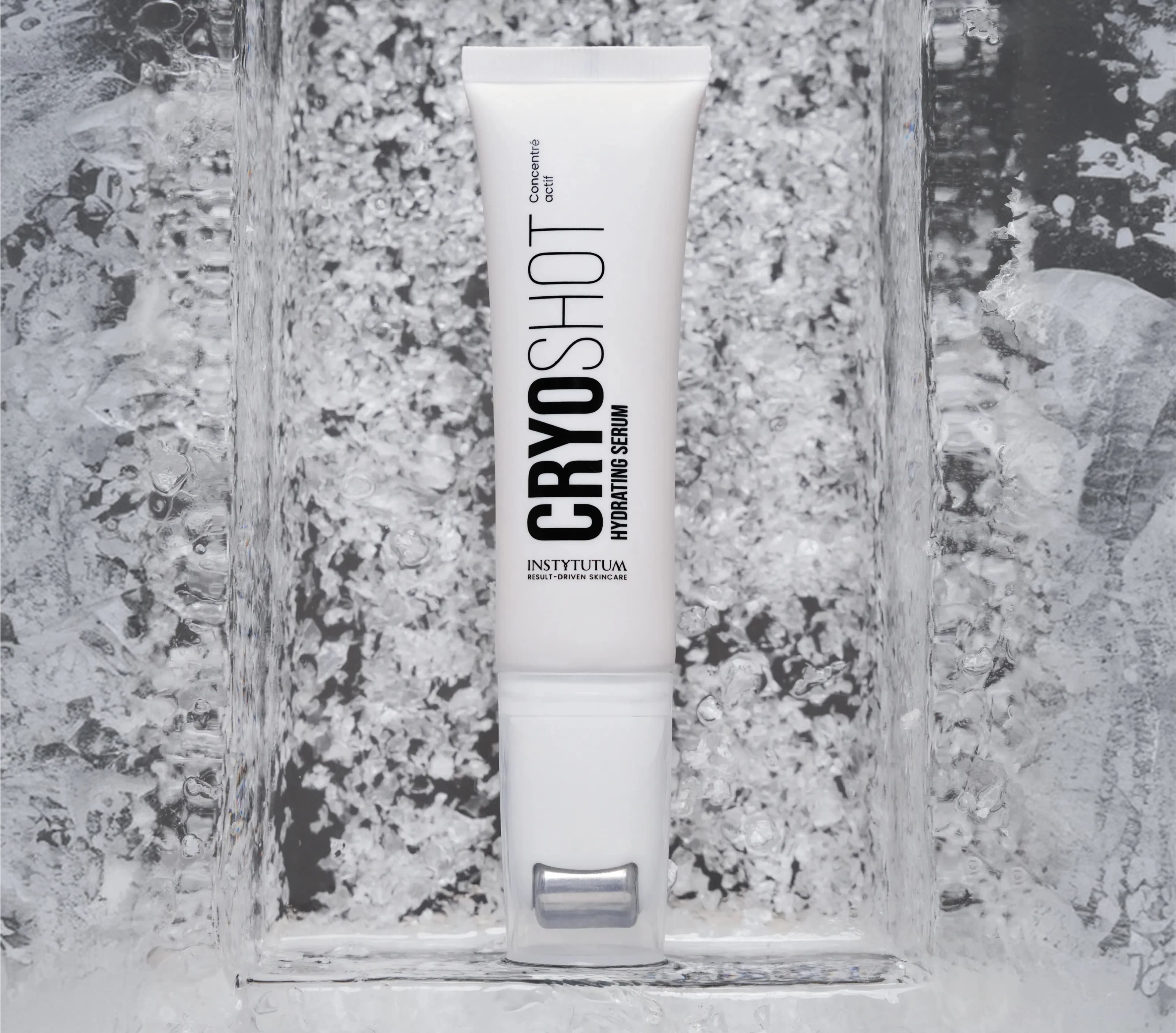
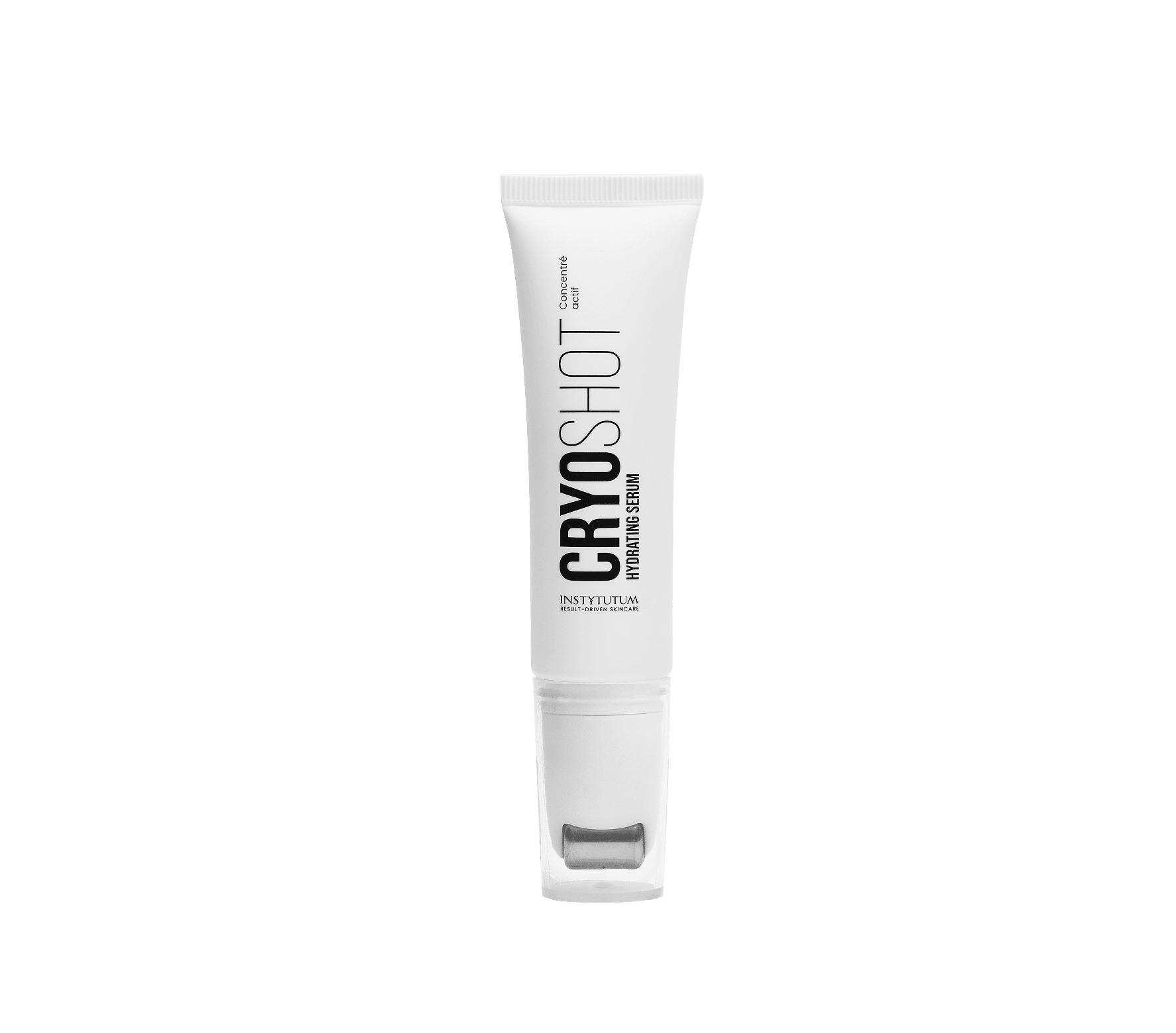
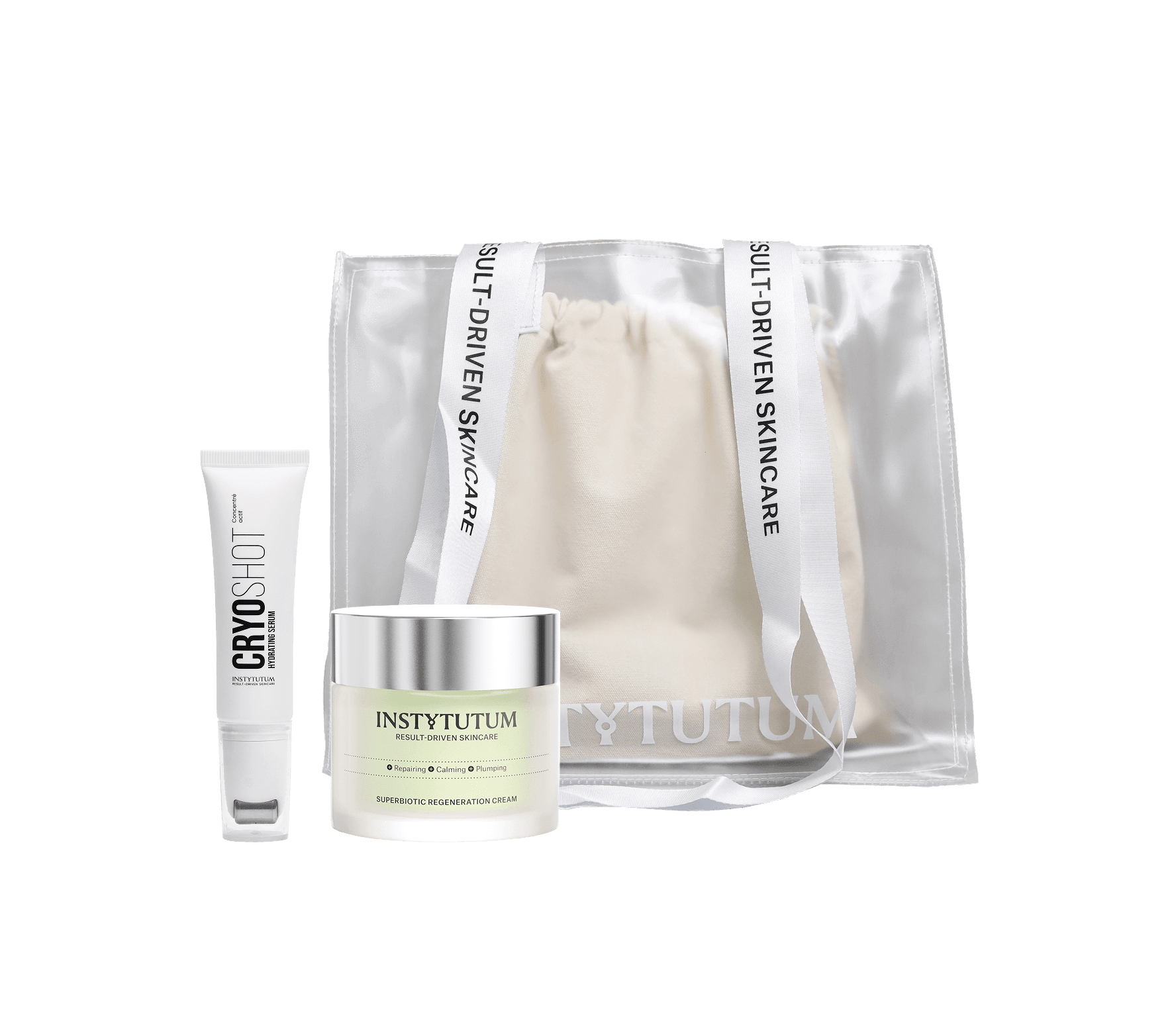
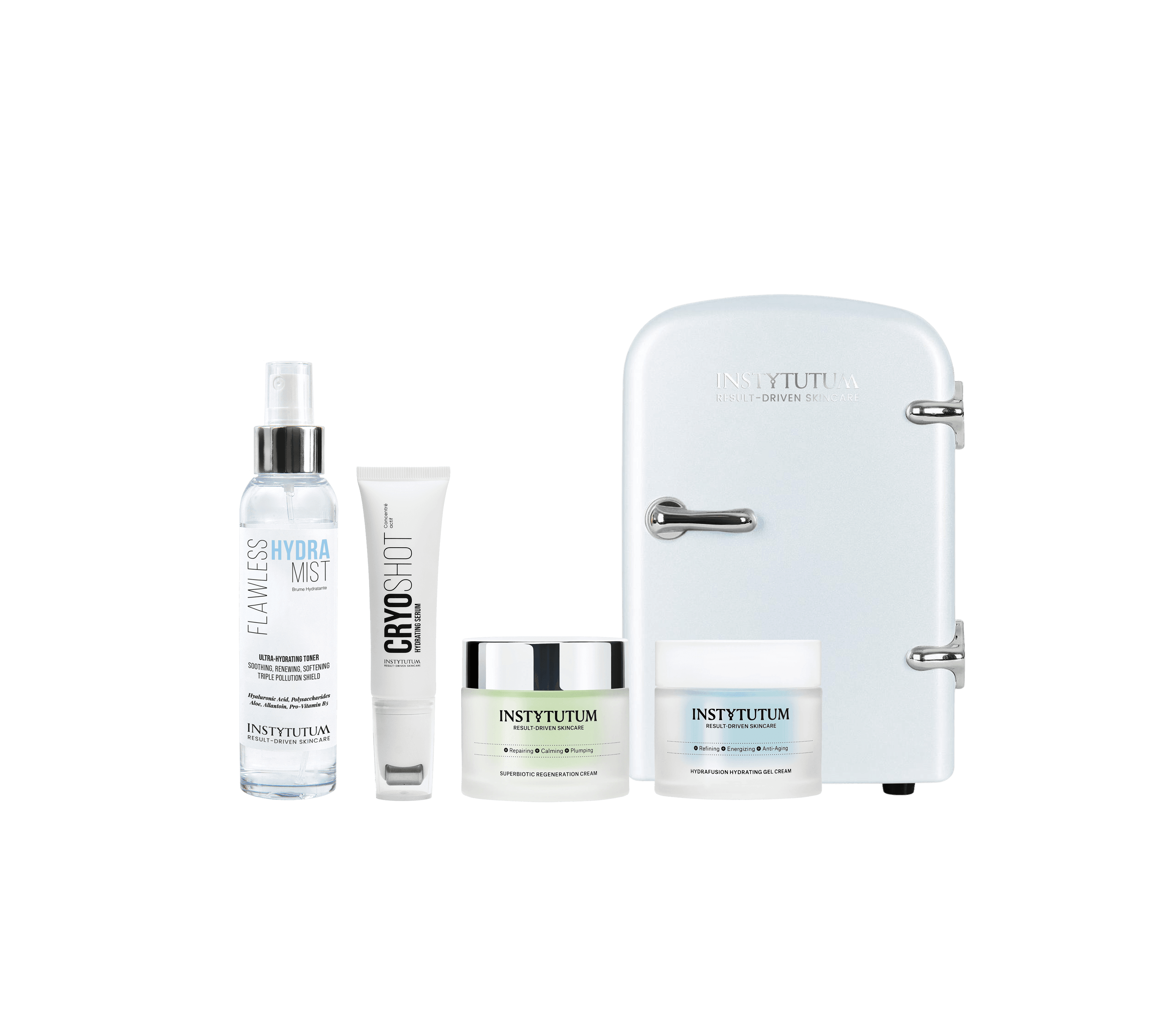
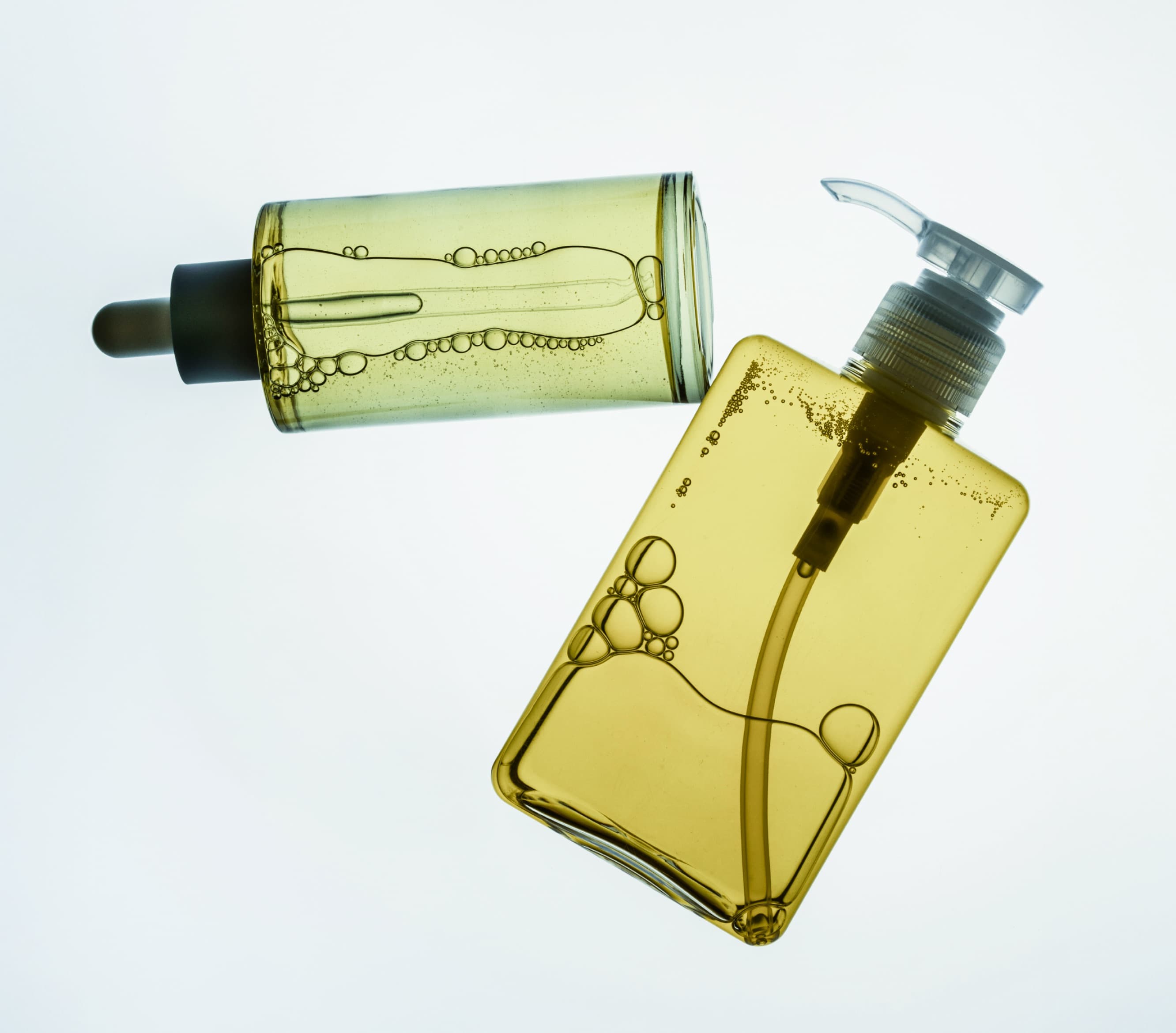
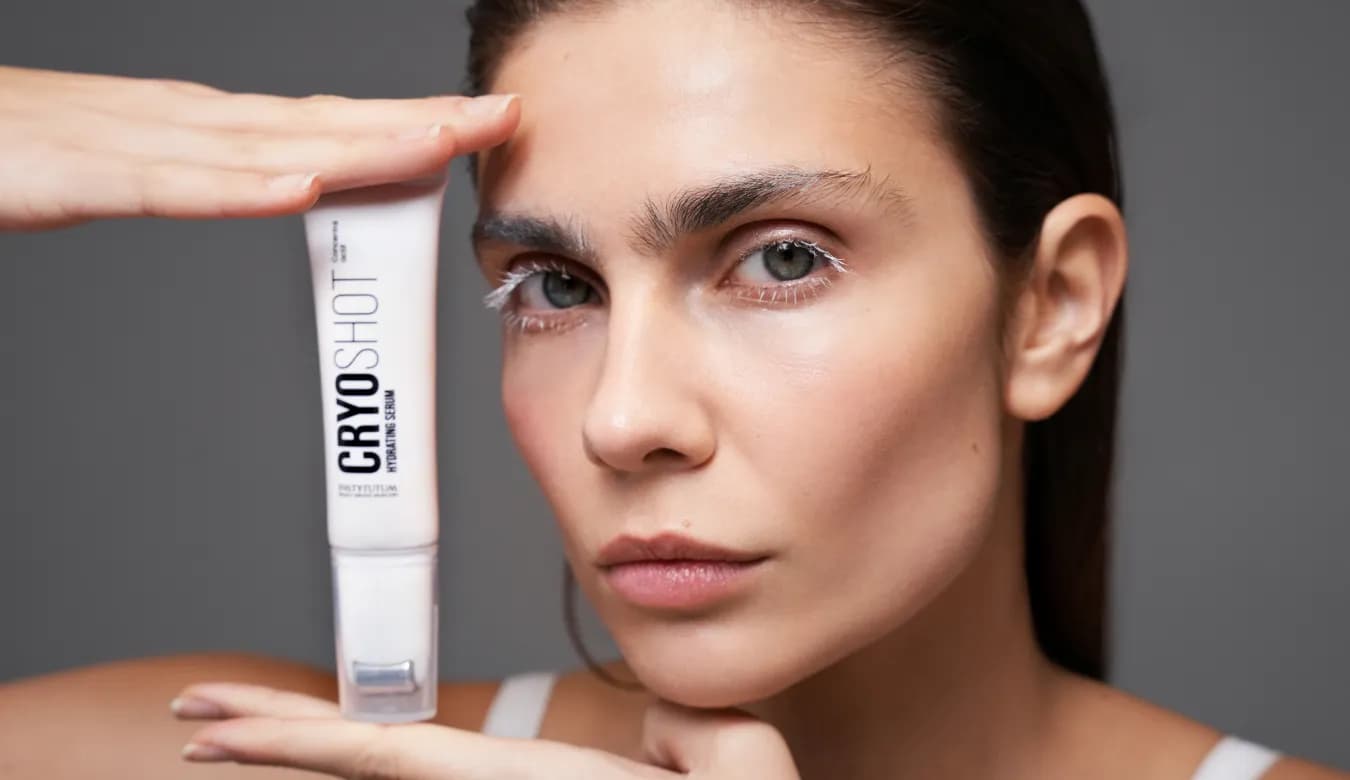
Cryoshot Hydrating Serum brings this principle into daily skincare. This neurocosmetic serum combines an NAD+ Supporting System with a cooling metal roller applicator. When stored in the refrigerator, the roller delivers an immediate cooling sensation from the very first stroke. It gently massages the skin, rapidly reduces the appearance of puffiness, and leaves the face looking fresher and more rested.
The benefits of Cryoshot extend beyond this immediate cooling effect. Its concentrated formula then takes over: 10% niacinamide strengthens the skin barrier and helps even out skin tone; a peptide complex improves firmness; neurocosmetic ingredients reduce visible redness and puffiness; and four types of hyaluronic acid provide multi-level, long-lasting hydration.
Cryoshot combines an immediate cooling effect with comprehensive daily care. It refreshes the face instantly, while continued use improves the skin’s hydration, tone, and firmness.
SAFETY GUIDELINES
Before cold-water immersion or whole-body cryotherapy, consult a doctor if you have a heart or vascular condition, including ischemic heart disease, uncontrolled hypertension, arrhythmia, or impaired peripheral circulation. Medical clearance is also required for Raynaud’s syndrome, cold urticaria, cryoglobulinemia, type 1 diabetes, uncontrolled or complicated type 2 diabetes, and epilepsy.⁹
Cold-water immersion and whole-body cryotherapy should not be used during pregnancy, fever, acute infection, or ongoing cancer treatment.⁹ Never enter cold water after consuming alcohol or when alone.
Structured cold-exposure protocols are intended for adults. Minors should only undergo cold exposure under medical guidance and responsible adult supervision.
CONCLUSION
Cold supports healthy aging not through a single effect, but through an entire cascade of physiological responses. Within seconds, it mobilizes the nervous system, redirects blood flow, and activates heat production in the muscles and brown adipose tissue.
The body uses more energy, shifts rapidly into a state of alertness, and may experience less muscle soreness and fatigue after intense physical activity. Regular, moderate exposure to cool temperatures also develops adaptability—the body’s ability to respond efficiently to stress and return to balance.
This adaptive capacity is one of the hallmarks of healthy aging.
REFERENCES
Lee P, Smith S, Linderman J, et al. Temperature-Acclimated Brown Adipose Tissue Modulates Insulin Sensitivity in Humans. Diabetes. 2014;63(11):3686–3698. doi:10.2337/db14-0513. https://doi.org/10.2337/db14-0513
Ouellet V, Labbé SM, Blondin DP, et al. Brown adipose tissue oxidative metabolism contributes to energy expenditure during acute cold exposure in humans. J Clin Invest. 2012;122(2):545–552. doi:10.1172/JCI60433. https://doi.org/10.1172/JCI60433
Cypess AM, Lehman S, Williams G, et al. Identification and Importance of Brown Adipose Tissue in Adult Humans. N Engl J Med. 2009;360(15):1509–1517. doi:10.1056/NEJMoa0810780. https://doi.org/10.1056/NEJMoa0810780
Alvarez GE, Zhao K, Kosiba WA, Johnson JM. Relative roles of local and reflex components in cutaneous vasoconstriction during skin cooling in humans. J Appl Physiol. 2006;100(6):2083–2088. doi:10.1152/japplphysiol.01265.2005. https://doi.org/10.1152/japplphysiol.01265.2005
Johnson DG, Hayward JS, Jacobs TP, Collis ML, Eckerson JD, Williams RH. Plasma norepinephrine responses of man in cold water. J Appl Physiol. 1977;43(2):216–220. doi:10.1152/jappl.1977.43.2.216. https://doi.org/10.1152/jappl.1977.43.2.216
Herrera E, Sandoval MC, Camargo DM, Salvini TF. Motor and sensory nerve conduction are affected differently by ice pack, ice massage, and cold water immersion. Phys Ther. 2010;90(4):581–591. doi:10.2522/ptj.20090131. https://doi.org/10.2522/ptj.20090131
Moore E, Fuller JT, Buckley JD, et al. Impact of Cold-Water Immersion Compared with Passive Recovery Following a Single Bout of Strenuous Exercise on Athletic Performance in Physically Active Participants: A Systematic Review with Meta-analysis and Meta-regression. Sports Med. 2022;52(7):1667–1688. doi:10.1007/s40279-022-01644-9. https://doi.org/10.1007/s40279-022-01644-9
Machado AF, Ferreira PH, Micheletti JK, et al. Can Water Temperature and Immersion Time Influence the Effect of Cold Water Immersion on Muscle Soreness? A Systematic Review and Meta-Analysis. Sports Med. 2016;46(4):503–514. doi:10.1007/s40279-015-0431-7. https://doi.org/10.1007/s40279-015-0431-7
Capodaglio P, Alito A, Duguè BM, et al. Contraindications to Whole-Body Cryostimulation (WBC). A position paper from the WBC Working Group of the International Institute of Refrigeration and the multidisciplinary expert panel. Front Rehabil Sci. 2025;6:1567402. doi:10.3389/fresc.2025.1567402. https://doi.org/10.3389/fresc.2025.1567402